How 3D printer infill affects strength, weight and print time
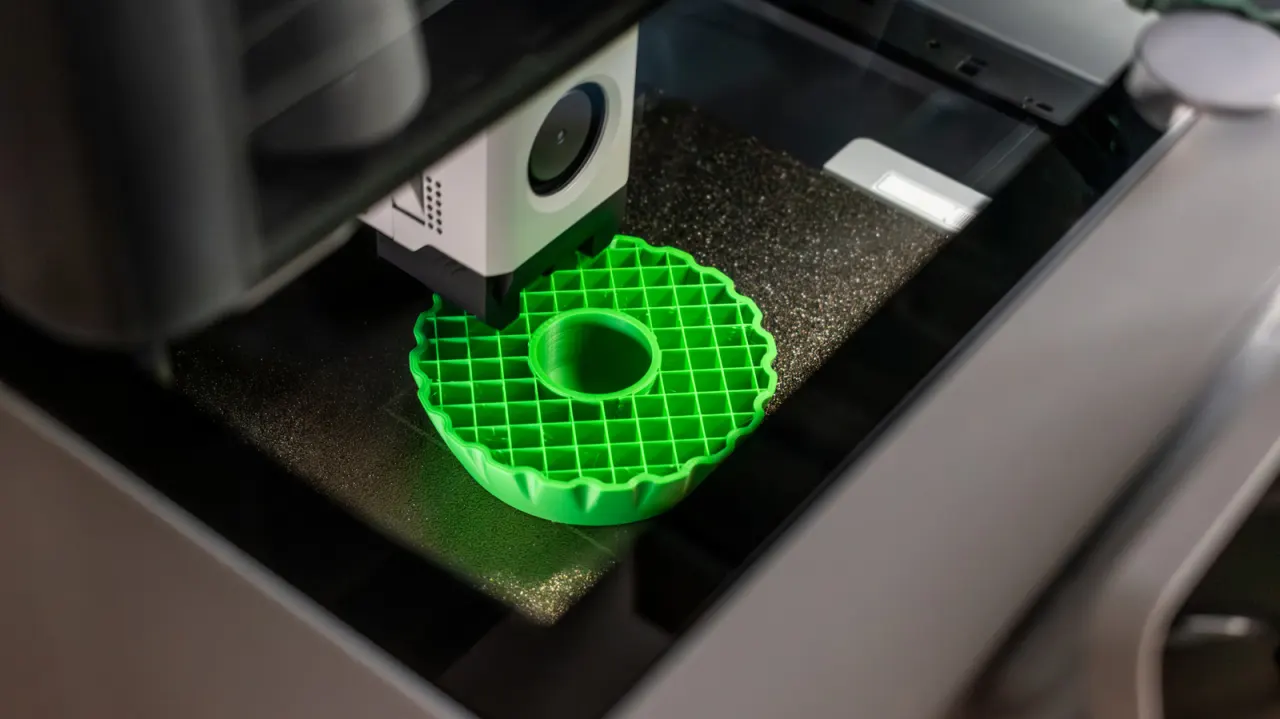
Infill is the internal structure created inside 3D-printed models using filament printers, designed to support the layers above and provide rigidity without wasting material. Rather than printing solid objects, most FDM/FFF 3D printers use infill patterns that matter significantly for the final product's strength, weight and print time.
Infill density is expressed as a percentage, with most models requiring between 10 and 20 percent according to manufacturers like Prusa. The choice of infill pattern (grid, cubic, gyroid or lightning) depends on the object's function, as factors like wall thickness and material choice also influence strength more than infill percentage alone, meaning decorative items might need minimal infill while load-bearing brackets require more support.
- Infill is the internal web structure inside 3D prints that provides support and rigidity
- Most models need only 10-20 percent infill density, not solid plastic
- Pattern choice depends on function; over 30 percent is rarely necessary for normal models
New here? Start with this
3D printers that use plastic filament typically don't create completely solid objects. Instead, they print an outer shell and fill the interior with a pattern of material, which provides support for the layers above without wasting plastic. This internal structure is called infill, and how much of it to use affects how strong and heavy the final object is, as well as how long it takes to print.
The amount of infill is measured as a percentage, with most printed objects using between 10 and 20 percent according to manufacturer guidance. Beyond just the percentage, the pattern of infill also matters—printers can create different patterns like grids, cubes or more complex designs, each with different strengths and weaknesses for various uses.
Which infill to choose depends on what the object needs to do. A decorative item might need very little infill to save time and material, whilst something that bears weight or stress, like a bracket or support, requires more. Other factors like the thickness of the outer walls and what material is being used also influence the final strength, so infill percentage alone doesn't tell the whole story.
Read the full article at the source →
Originally published by Engadget as “What is infill in 3D printing and is it necessary?”.