What is the Directors Guild of America’s ‘Eastwood Rule’?
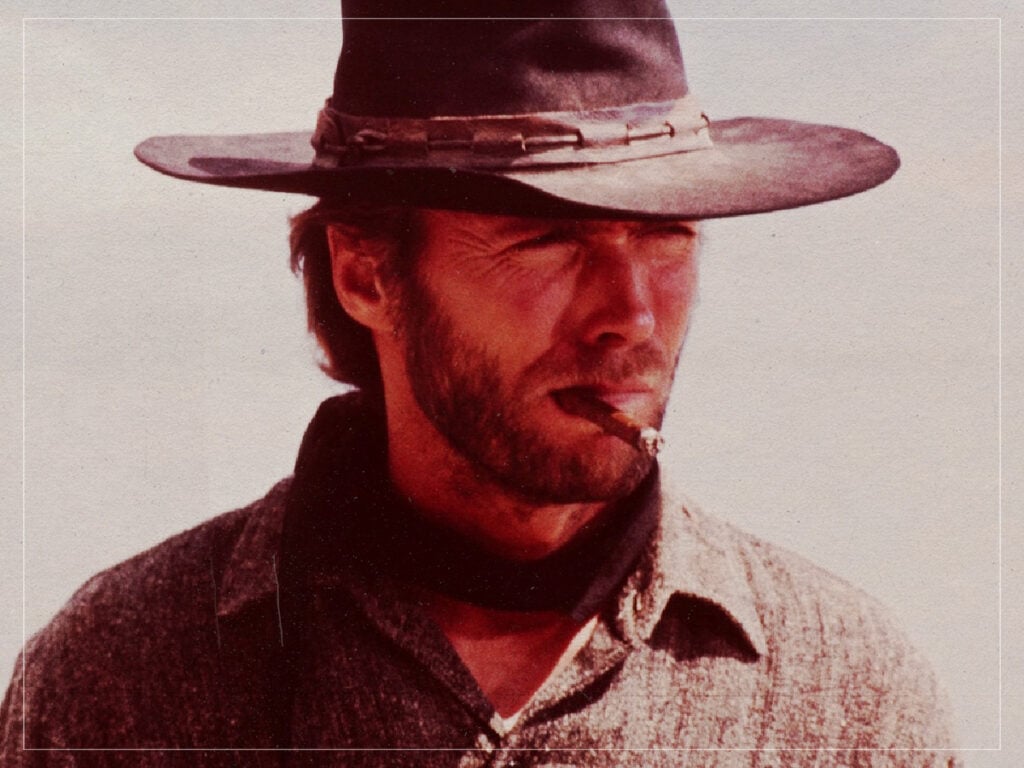
Clint Eastwood's outsized influence as an actor-director led the Directors Guild of America to introduce a rule bearing his name, though it was created as a rebuke rather than a tribute. The 'Eastwood Rule' dates back to 1976, during production of The Outlaw Josey Wales, when Eastwood clashed with director Philip Kaufman over pacing and casting decisions, ultimately having him removed and taking over directing duties himself. The episode mattered because it set a lasting precedent limiting how much creative control actors and producers can seize from directors on set.
The DGA fined Eastwood $60,000 for his actions and introduced a contractual clause imposing harsher penalties, including the threat of expulsion from the guild for repeat offenders who fire and replace directors themselves. Despite the controversy, The Outlaw Josey Wales was well received and was later added to the National Film Registry in 1996. Ironically, Eastwood himself is now largely shielded from the rule due to his standing as a producer at Malpaso Productions, though he still had to credit Richard Tuggle as director on 1984's Tightrope despite effectively directing it himself.
- The 'Eastwood Rule' punishes actors/producers who fire and replace directors
- Created in 1976 after Eastwood ousted director Philip Kaufman
- Eastwood was fined $60,000 but the film became a classic