What is the purpose of a battery symbol next to a USB Port?
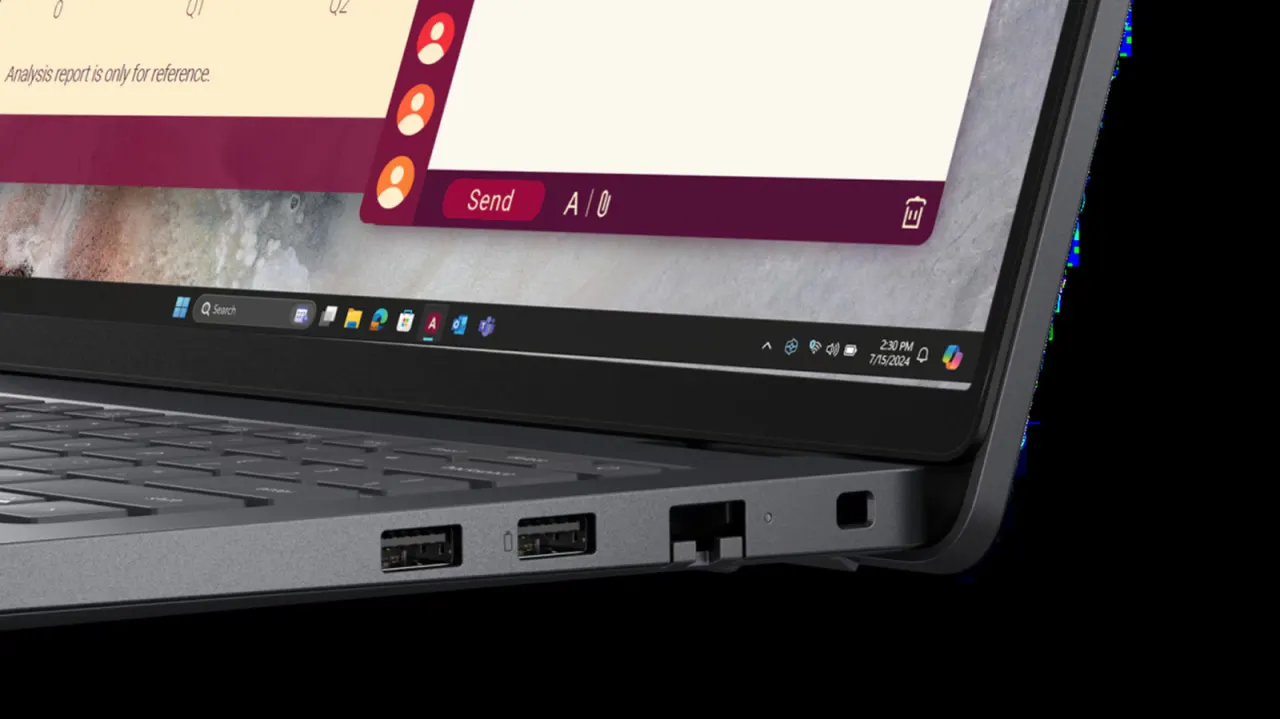
The battery symbol next to a USB port indicates that port supports USB Power Delivery (USB PD), a charging protocol that offers faster charging speeds and the ability to charge other devices. USB PD, introduced in 2012 and updated in 2021, can now deliver up to 240W of power, making it capable of charging demanding devices such as high-end laptops and monitors with improved efficiency and safety.
Beyond faster charging, USB Power Delivery ports enable useful features like bidirectional charging, which allows you to charge another device through your laptop's USB port, and "Always On" charging that works even when the device is asleep or shut down. However, the battery symbol itself lacks standardisation across manufacturers—whilst the USB Implementers Forum (which includes Apple, Microsoft and HP) has an official design featuring a battery shape with negative space, companies use various indicators including different battery logos, lightning bolts or simply the letters "PD" to denote USB PD compatibility.
- Battery symbol next to USB ports indicates USB Power Delivery protocol
- USB PD delivers up to 240W and enables faster, safer charging
- Symbol design varies by manufacturer; check your device manual
New here? Start with this
If you see a battery symbol next to a USB port, it indicates that port supports USB Power Delivery, a technology that enables much faster charging than traditional USB connections. USB Power Delivery also allows your laptop or computer to charge other devices connected through that same port, reducing the number of chargers needed.
Modern USB Power Delivery can deliver up to 240 watts of electricity, making it powerful enough to charge demanding devices such as high-end laptops and computer monitors. It also works even when your device is switched off or in sleep mode, enabling you to charge other devices without keeping your computer powered on.
However, there is no standardised symbol for USB Power Delivery across different manufacturers. Whilst the USB standards body has published an official battery design, companies often use their own indicators instead, such as different battery icons, lightning bolts or the letters "PD". This inconsistency makes it difficult for consumers to identify which ports support this faster charging technology.