Seven Cornell fraternity members face renewed scrutiny over rape allegations
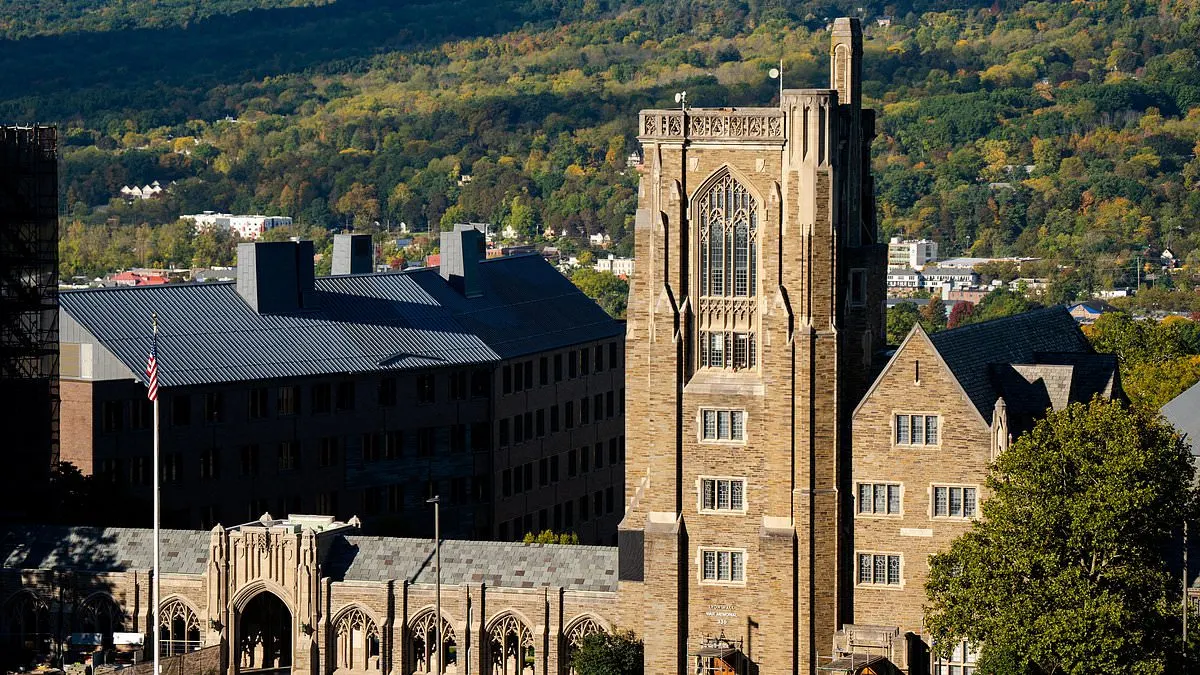
Seven Cornell University fraternity members have been accused of gang rape by a female former student in connection with an alleged assault at a Chi Phi party in October 2024. The woman, identified as Jane Doe, initially reported the allegations in 2024, but prosecutors did not file charges following an investigation. However, after she filed a civil lawsuit in September 2025, the case was reopened and New York's Attorney General was appointed as special prosecutor, reigniting scrutiny of how elite universities handle sexual assault allegations.
Jane Doe, then 20 years old, alleged that she was invited to the fraternity house by Umar Matthew Ingalls after consuming approximately 10 drinks over three hours at local bars. According to her lawsuit, the men pressured her into taking drugs and consuming alcohol before engaging in non-consensual sexual acts. The university's internal investigation resulted in the expulsion of Ingalls and Jonathan Newell; Ingalls is believed to have returned to Dubai. The Chi Phi fraternity subsequently closed its chapter on the Cornell campus.
- Seven Cornell fraternity members accused of gang rape at 2024 party.
- Initial investigation found no charges; case reopened after civil lawsuit filed.
- Two members expelled; renewed focus on university accountability for assault allegations.
New here? Start with this
In October 2024, a woman alleged that seven members of Cornell University's Chi Phi fraternity gang raped her at a party at their house. She claimed she had been pressured into consuming alcohol and drugs over several hours before the assault.
When the woman reported the allegations to authorities in 2024, they investigated but prosecutors chose not to file criminal charges. The university's own investigation resulted in the expulsion of two students, one of whom subsequently left the country, and the Chi Phi chapter at Cornell closed.
The case has attracted significant public attention, prompting discussions about how universities and law enforcement handle sexual assault allegations on campus. It raises questions about whether initial investigations were sufficiently thorough and highlights the different paths available to alleged victims through criminal justice, civil courts, and university disciplinary processes.
Both sides, in good faith
The strongest fair case each way — we don't pick a winner.
The case for
Sexual assault victims frequently encounter systemic barriers within the criminal justice system, and prosecutors' declination to charge should not foreclose all accountability or investigation. The civil lawsuit and the Attorney General's decision to appoint a special prosecutor suggests fresh scrutiny may yield different conclusions from the initial investigation. Victims deserve meaningful recourse when criminal standards prove too restrictive, and civil law's different evidentiary threshold exists precisely to address this gap; allowing civil proceedings to prompt renewed criminal investigation acknowledges that justice requires multiple pathways and that universities have independent obligations to their communities.
The case against
Prosecutors conducted investigation using appropriate criminal standards designed to protect the innocent, and their decision not to charge carries substantial weight that should not be readily overridden. Reopening a criminal investigation based on a civil suit, which operates under deliberately lower evidentiary burdens, risks instrumentalising criminal law to enforce civil judgments and creates a system where the accused faces relitigation under progressively lower standards. Due process protections for the accused—including the principle against repeated prosecution for the same conduct—exist for good reason and serve justice as much as victim support does.
Read the full article at the source →
Originally published by Daily Mail as “What we know so far about the Cornell students accused of gang raping Jane Doe”.