Why a type of ‘hidden’ cholesterol could be putting YOU at risk of heart attack and stroke – even if you’re on statins
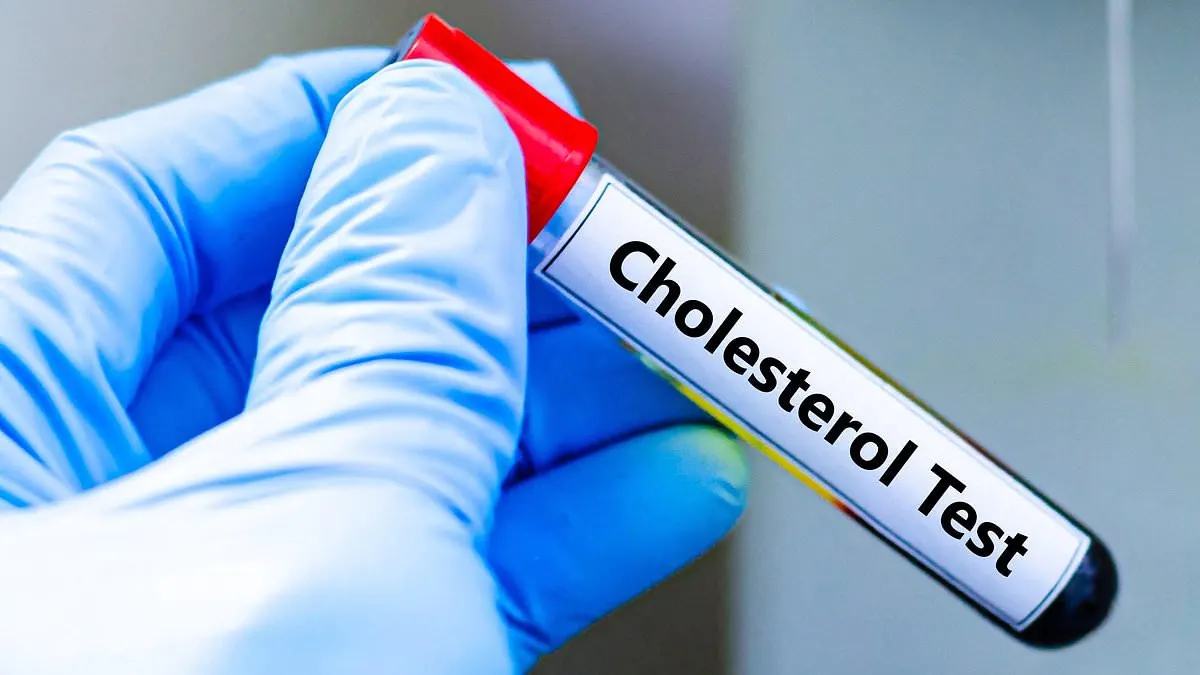
Research has identified a third type of cholesterol called remnant cholesterol that poses a significant heart health risk but is not routinely measured in standard cholesterol tests. Even patients with low LDL cholesterol levels and those taking statins may be at hidden risk from elevated remnant cholesterol, which significantly increases the likelihood of heart attack and stroke.
Remnant cholesterol forms when triglyceride particles are broken down for energy and the excess cholesterol is discarded into the bloodstream. Recent studies show that high remnant cholesterol levels increase heart attack and stroke risk by up to 50 per cent or even threefold, and whilst statins reduce LDL by around 50 per cent, they only reduce remnant cholesterol by approximately 30 per cent. Risk starts to rise significantly once remnant levels exceed 1mmol per litre of blood.
- Remnant cholesterol poses major heart risk even in patients with low LDL
- Statins less effective at reducing this cholesterol, reducing by 30% not 50%
- Research shows up to 50% increased heart attack and stroke risk
New here? Start with this
For decades, doctors have measured two main types of cholesterol—LDL and HDL—to assess the risk of heart disease and guide treatment. Most people with high cholesterol are now prescribed statins, which have proven effective at reducing LDL levels and lowering heart disease risk.
Research has now identified a third type of cholesterol called remnant cholesterol that forms when the body breaks down fat molecules for energy. This type is not routinely measured in standard blood tests, leaving many people unaware of their actual cholesterol profile and heart disease risk.
Studies show that high remnant cholesterol significantly increases the risk of heart attack and stroke, even in people whose LDL cholesterol is well controlled by statins. Statins are less effective at reducing remnant cholesterol than at reducing LDL, meaning people taking these medications may still be exposed to hidden cardiovascular risk.
Both sides, in good faith
The strongest fair case each way — we don't pick a winner.
The case for
Remnant cholesterol appears to be a genuine, independent cardiovascular risk factor that existing standard cholesterol screening systematically fails to detect, leaving many patients at substantially elevated risk despite appearing to have adequate cholesterol control. Advocates contend that the evidence is sufficiently compelling—demonstrating that remnant cholesterol significantly increases heart attack and stroke risk and that statins inadequately address it—to justify routine measurement as standard clinical practice, which would enable physicians to identify vulnerable patients and implement targeted treatments that could prevent considerable cardiovascular harm.
The case against
Whilst acknowledging that remnant cholesterol correlates with cardiovascular risk, sceptics argue that identifying a biomarker associated with disease is insufficient justification for implementing widespread screening and treatment protocols without robust evidence that doing so actually improves patient outcomes. They emphasise that healthcare policy must prioritise interventions with proven clinical benefit, cautioning that expanding diagnostic criteria prematurely risks unnecessary medicalisation, increased healthcare costs, and potential overtreatment before the evidence base is sufficiently mature.