Why Canada is preparing for a (long shot) US invasion
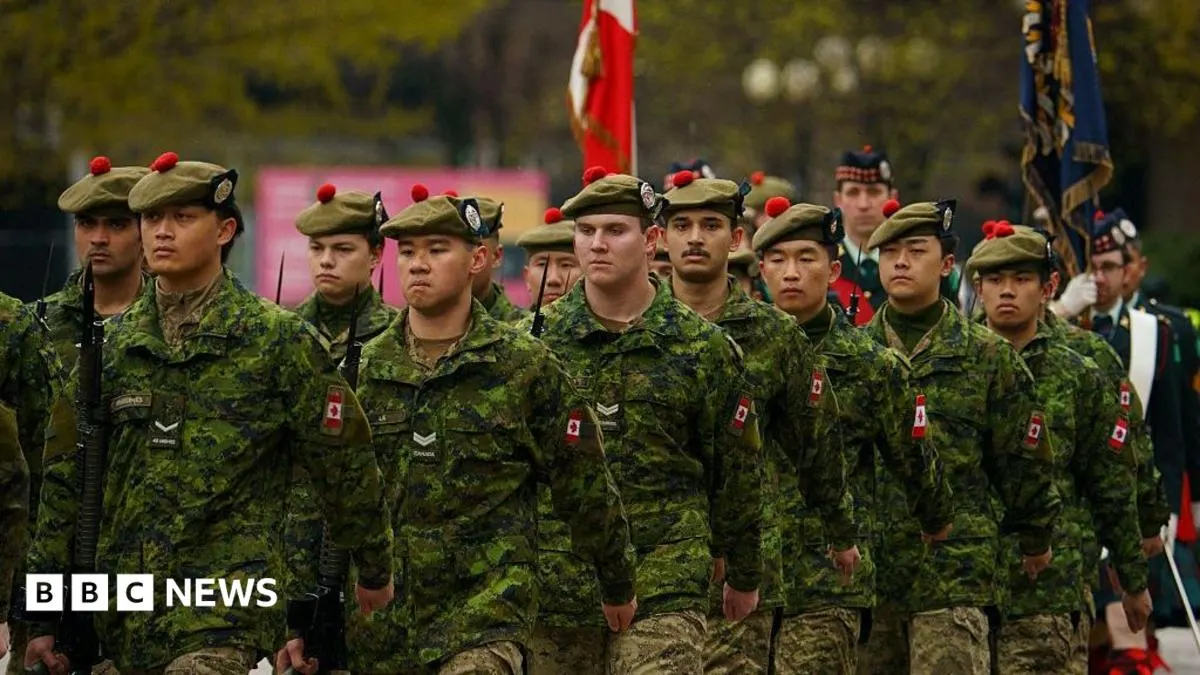
Canadian Prime Minister Mark Carney has acknowledged preparing contingency plans for a possible US invasion, though he emphasises the risk is low and highly improbable. He framed this as responsible risk management given the uncertainty surrounding the redefinition of US-Canada relations under President Trump's administration, particularly concerning Trump's global tariffs and his repeated suggestions about making Canada the 51st state.
Military experts consulted by the BBC consider an actual invasion highly unlikely, citing the extensive integration between the two nations – both are NATO members conducting joint Arctic defence missions through NORAD and regularly sharing intelligence. A retired Canadian Air Force officer noted that any potential military threat would more probably take the form of cyberwarfare rather than armed assault. Public concern appears significant nonetheless: a poll conducted following the US capture of Venezuelan leader Nicolás Maduro in January found over 30% of Canadians believed an invasion was likely.
- Canadian PM prepares contingency plans for possible US invasion, calling it responsible risk management.
- Over 30% of Canadians fear US invasion likely after Maduro capture in Venezuela.
- Experts say any threat would likely come through cyberwarfare, not armed military attack.
New here? Start with this
Canada's Prime Minister Mark Carney has said the government is preparing contingency plans for a potential US military invasion, though he stresses the likelihood is very low. This step reflects concerns about how US-Canadian relations may change under President Trump's administration, particularly given Trump's tariffs and his previous public suggestions that Canada might become America's 51st state.
The two countries are deeply integrated militarily and diplomatically – both are NATO members conducting joint Arctic defence operations and regularly sharing intelligence. Military experts consulted by the BBC believe a real armed invasion is extremely unlikely, though they suggest any potential military threat would more probably take the form of cyberattacks rather than traditional warfare.
Despite experts assessing the risk as low, concern among Canadians appears significant. A recent public opinion poll found that over 30 per cent of Canadians believed an invasion was likely, reflecting broader anxiety about how Trump's policies might reshape the relationship between the two neighbouring nations.
Both sides, in good faith
The strongest fair case each way — we don't pick a winner.
The case for
Responsible government requires preparing for low-probability but catastrophic scenarios, particularly when a political leader has explicitly discussed annexing one's country and demonstrated willingness to pursue unconventional policies. Whilst military experts assess invasion as highly unlikely, the rhetorical escalation and demonstrated unpredictability justify contingency planning as prudent risk management; the cost is negligible compared to potential consequences.
The case against
Canada faces no credible military threat given the deep institutional integration with the US through NATO, NORAD, and intelligence-sharing arrangements, reinforced by military experts' assessment that invasion is effectively impossible. Resources and political attention directed toward an extremely low-probability scenario are better spent addressing genuine threats such as Trump's tariff policies and economic pressure, and contingency planning risks unnecessarily inflaming diplomatic relations or appearing alarmist without justification.