Why do we see empty seats at Wimbledon’s show courts?
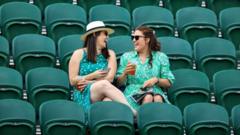
Despite Wimbledon selling out every year with significant public demand visible through long queues, television coverage frequently shows unoccupied seats in the tournament's most prestigious venues. This apparent contradiction reflects practical constraints of managing ticket holders across an extended day of professional tennis.
Several structural factors contribute to vacant seats. The restriction limiting spectator exits and re-entries to times when players switch court ends means people requiring breaks for facilities, refreshments, or relief from heat must weigh missing play against attending to their needs. Additionally, show court admission provides access to surrounding courts, encouraging ticket holders to sample matches elsewhere. The tournament's extended schedule—beginning at 13:00–13:30 BST but extending to 23:00 BST—means not all attendees remain for the full day due to travel arrangements. Wimbledon addresses early departures by allowing resale of unused tickets to ground pass visitors at lower prices, effectively redistributing seats rather than leaving them genuinely vacant.
- Empty show court seats appear despite sold-out status because spectators can only exit/re-enter when players change ends, discouraging toilet and refreshment breaks
- Ticket holders move between courts, seek shade from heat, or depart early due to long tournament hours (11:00–23:00 BST), leaving temporary gaps
- Unused tickets are resold to ground pass visitors at reduced prices (£15 Centre Court, £10 Court One/Two)