Why Napoleon was truly the boss from hell – and why that might be the REAL reason he lost at Waterloo… argues top historian ANDREW ROBERTS
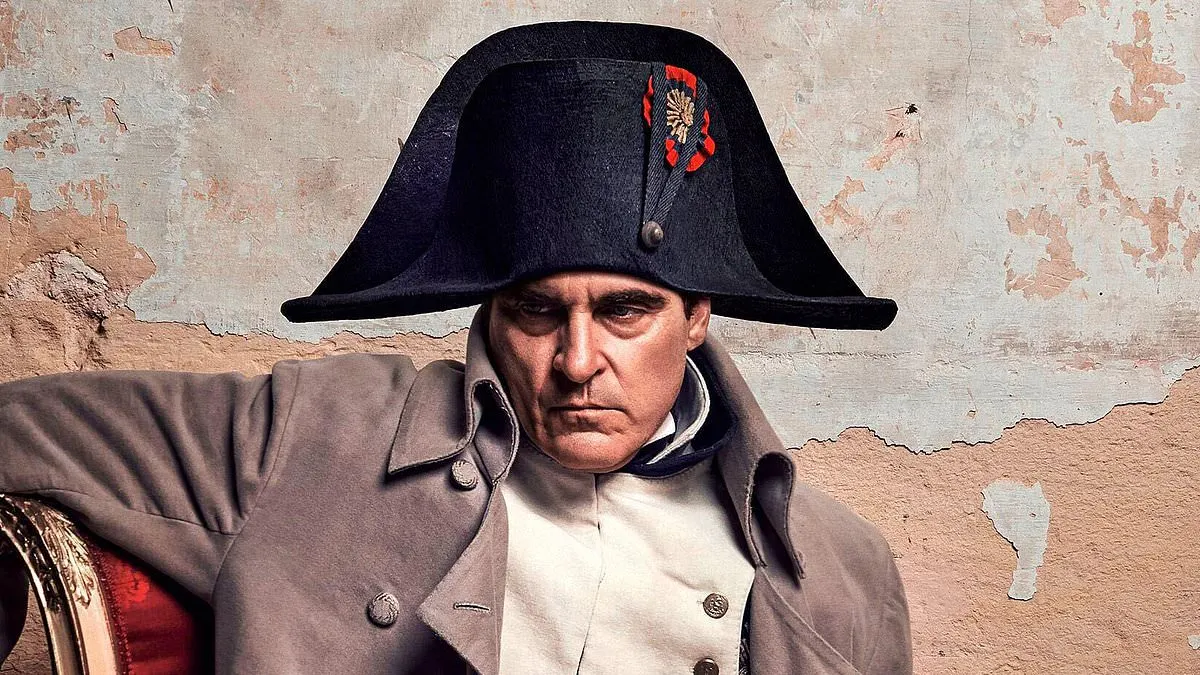
Historian Andrew Roberts argues that Napoleon's extreme micromanagement of his 26 senior military commanders—his so-called marshals—ultimately contributed to his defeat at Waterloo in 1815. Based on newly available letters in a 15-volume compendium completed in 2018, Roberts contends that despite inspiring ordinary soldiers, Napoleon was obsessively controlling with his senior leadership, involving himself in trivial matters such as uniform buttons and hospital window openings. This toxic management style so damaged his relationships with these talented commanders that many refused to work with him by the Waterloo campaign.
Roberts details the calibre of Napoleon's marshals to illustrate how such micromanagement squandered exceptional talent. Among them were Michel Ney, who led the catastrophic retreat from Moscow where 500,000 troops perished from the original 600,000; Nicolas Oudinot, wounded 32 times; and Louis-Alexandre Berthier, considered history's greatest chief of staff, who received 457 letters in just 22 months. Napoleon's controlling behaviour extended to personal matters—he reportedly exploded when Berthier allowed his brother leave to attend a birth—and he deliberately sowed rivalry amongst commanders to maintain dominance, a strategy that ultimately backfired.
- Newly available letters reveal Napoleon as an extreme micromanager of his top commanders
- Toxic management style allegedly contributed to his Waterloo defeat
- Even his most brilliant marshals eventually refused to work with him
New here? Start with this
Napoleon Bonaparte commanded one of history's largest armies and dominated Europe for over a decade until his defeat at Waterloo in 1815. This battle effectively ended his military career and reshaped European politics. Understanding why he lost has been debated by historians for more than two centuries.
Historian Andrew Roberts has analysed newly available letters to argue that Napoleon's obsessive control over his senior military commanders—known as marshals—may have significantly contributed to his defeat. Rather than trusting these talented men to do their jobs, Napoleon involved himself in minute details of their work, from uniform design to hospital management, which bred resentment and damaged relationships at the highest levels of his army.
This interpretation offers a fresh perspective on one of history's most pivotal military defeats. Rather than focusing solely on tactics or circumstance, Roberts suggests that leadership style and management of talent were crucial factors. It raises broader questions about how even the most brilliant minds can undermine themselves through poor treatment of talented subordinates.
Both sides, in good faith
The strongest fair case each way — we don't pick a winner.
The case for
Roberts's archival evidence reveals how Napoleon's obsessive control and deliberate cultivation of rivalry among his marshals corroded the very unity and morale essential for military effectiveness. Though such oversight initially drove extraordinary achievements, by 1815 his finest commanders—some refusing to serve—had become demoralised and distrustful, lacking the cohesion needed to coordinate against the British-Prussian alliance. This fracturing of his high command thus contributed materially to Waterloo's catastrophe.
The case against
Napoleon's demanding leadership style produced two decades of unmatched military success, suggesting it was not inherently destructive but rather appropriate for coordinating multinational forces across continental Europe. His 1815 defeats more credibly stemmed from material realities—facing all Europe's major powers united, catastrophic manpower losses, and shifted technological warfare—rather than management style suddenly becoming toxic. Attributing Waterloo primarily to micromanagement risks obscuring the overwhelming strategic disadvantages that made even genius insufficient.