Why Tasers sometimes fail to stop suspects — and what weight has to do with it
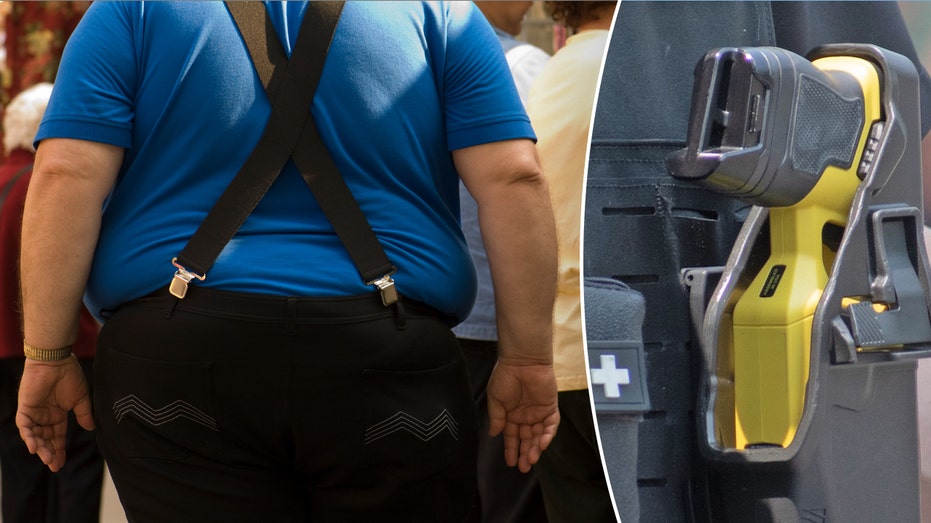
A police shooting in Times Square last Monday has raised questions about why Tasers sometimes fail to stop suspects, after officers' repeated attempts to subdue Pamela Cisneros, 49, with the devices proved ineffective. Cisneros had allegedly stabbed two people, killing a 32-year-old woman and wounding a 68-year-old man, before continuing to advance on officers despite multiple Taser discharges; two officers then shot and killed her. The case has drawn attention to the factors that can undermine Taser effectiveness, including body composition, clothing and mental health.
Experts told Fox News Digital that Tasers work by sending electrical pulses through two probes to trigger involuntary muscle contractions, and rely on both probes making good contact, ideally at least 30cm apart, with large muscle masses such as the back and thighs. Retired police sergeant Steve Keller said failures are commonly caused by clothing, poor probe placement, substance abuse or weak connectivity, and that excess body fat can interfere with this connectivity, particularly if one probe lands on the abdomen or misses altogether. Fox News senior medical analyst Dr Marc Siegel agreed, noting muscle conducts electricity far better than fat, making it harder to achieve an effective shock in an obese person. NYPD commissioner Jessica Tisch confirmed Cisneros had a documented history of mental health incidents with the department dating back to 2018 and 2019, which Keller said may also have influenced her response to the Taser.
- Times Square knife attack suspect resisted multiple Taser shocks before being shot dead
- Experts say body fat and clothing can weaken Taser connectivity and effectiveness
- Suspect had a documented mental health history, which may also affect Taser response