Hollywood’s tech leader films face scrutiny over studios’ industry ties
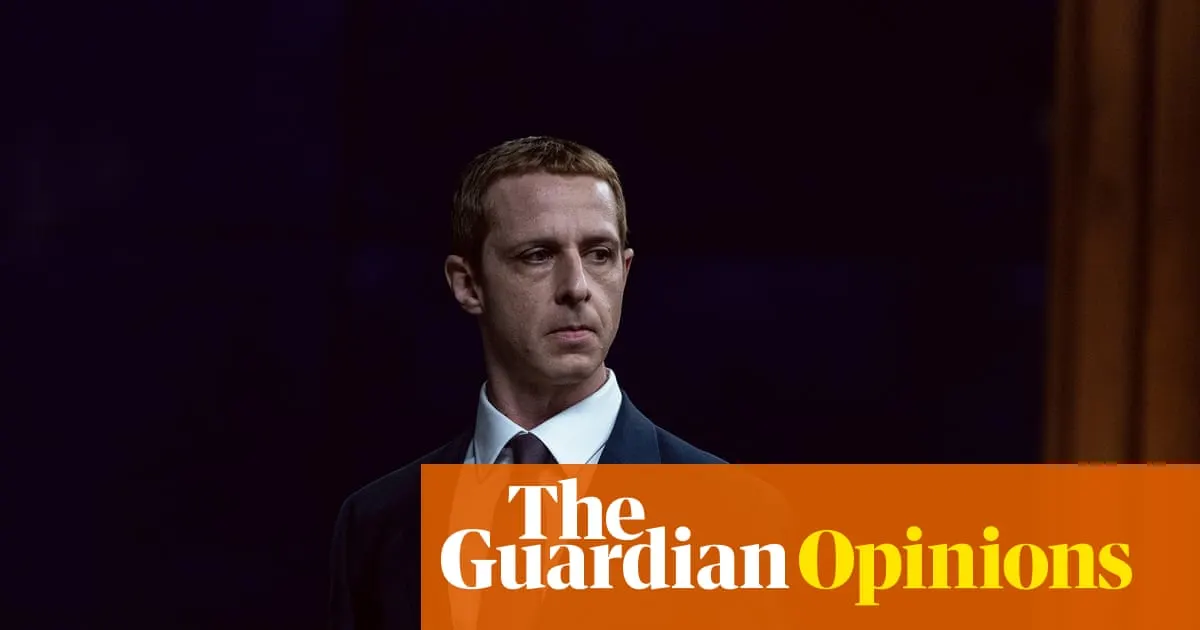
Three films about tech leaders, *The Social Reckoning*, *Musk* and *Artificial*, are arriving amid growing public scepticism about the power and promises of Silicon Valley. Their focus on Mark Zuckerberg, Elon Musk and Sam Altman could look like a shared Hollywood rebuke, but the article argues that studios’ financial ties to technology companies make the industry’s stance less clear.
The films cover Facebook’s impact on users, Musk’s leadership of SpaceX and Altman’s firing and return at OpenAI. *Artificial* lost Amazon as its distributor after the company announced a $50bn partnership with OpenAI; Sony hired an outside law firm to check *The Social Reckoning*, while TikTok and X blocked trailer adverts for *Musk*. The article suggests these controversies may help promote the films more than challenge tech companies, and that the projects reflect existing scepticism among young Americans rather than creating it.
- Three films examine Zuckerberg, Musk and Altman.
- Hollywood’s tech ties complicate their critical stance.
- The films may reflect public scepticism more than create it.
New here? Start with this
Three major films about tech industry figures are being released at a time when public opinion of Silicon Valley is increasingly negative. The films chronicle Mark Zuckerberg's impact at Facebook, Elon Musk's leadership of SpaceX, and Sam Altman's tenure at OpenAI. This might seem like Hollywood turning a critical eye on the technology sector.
However, the studios behind these films have significant business relationships with the very technology companies they are depicting. Amazon dropped its plans to distribute one film after announcing a major partnership with OpenAI, whilst other tech platforms have blocked promotional materials for another film. This has raised questions about whether the films represent independent critique or reflect commercial interests tied to the technology industry.
The situation highlights the complexities of creating critical films about powerful technology companies when the film industry has financial ties to those same companies. It also suggests that any critical examination in these films reflects doubts already held by audiences rather than introducing fresh scrutiny of the industry.
Both sides, in good faith
The strongest fair case each way — we don't pick a winner.
The case for
These films can represent genuine artistic engagement with important questions about technology even whilst Hollywood maintains financial relationships with tech companies. The distinction between corporate partnerships and creative output allows different divisions to pursue different objectives; studios distribute both corporate-friendly content and critical work. The fact that tech companies felt compelled to suppress distribution or block advertising actually validates that these films contain meaningful critique, suggesting they pose real challenges rather than merely reflecting existing public sentiment.
The case against
Hollywood's substantial financial integration with technology companies creates structural incentives that fundamentally compromise the credibility of any internal critique. Studios would not have permitted these films had they genuinely threatened their business model or partnerships—the controlled nature of the criticism suggests it protects rather than challenges the status quo. If Hollywood truly believed in challenging tech power, it would demonstrate that commitment by sacrificing the lucrative financial relationships that actually drive industry decisions.
Art Business Cricket Culture Entertainment Film Sport TV
Read the full article at the source →
Originally published by The Guardian as “Will the Zuckerberg, Musk and Altman movies make a dent on tech giant evangelism?”.