Oktoberfest ride operator gives women shorts amid voyeuristic filming
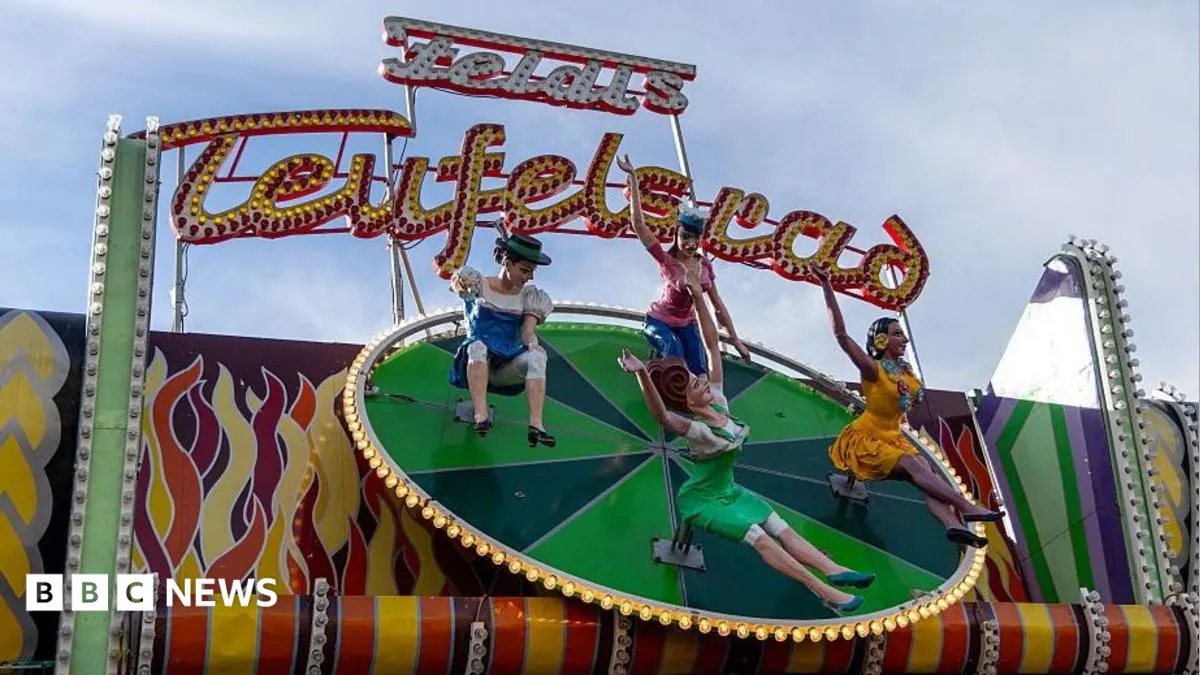
The operator of a popular fairground ride at Munich's Oktoberfest is handing out free cycling shorts to women to counter thousands of voyeuristic videos that have emerged online. The Teufelsrad (Devil's Wheel) is notorious for causing women's skirts to fly up, and footage has been filmed and monetised on social media, making this a significant issue of digital harassment and privacy violation.
The 80-year-old operator Elisabeth Polaczy has distributed more than 100 pairs of shorts this year, acknowledging the difficulty of controlling smartphone filming. With at least 32,000 videos in circulation and some viewed millions of times, police have made limited arrests (one this year, ten in 2025, seven in 2024), whilst advocates argue Germany's law against upskirting does not provide sufficient protection.
- Oktoberfest ride operator gives free shorts to prevent upskirting videos
- Thousands of voyeuristic videos circulate online, some monetised by creators
- Advocates say current German law needs strengthening to protect women
New here? Start with this
The Teufelsrad is a spinning fairground ride at Munich's Oktoberfest, designed so that women's skirts fly upwards as it spins. Visitors to the ride have begun filming these moments and uploading them to social media, creating an archive of tens of thousands of videos that have been collectively viewed millions of times.
This phenomenon raises concerns about women's privacy and dignity and falls under the category of digital harassment. Germany has a law against upskirting, but advocates argue it does not provide sufficient legal protection, and police have made relatively few arrests related to the videos despite their prevalence online.
The ride is operated by Elisabeth Polaczy, an 80-year-old woman who manages the attraction. The emergence of smartphones and social media has transformed what was once an occasional moment of embarrassment into a documented form of harassment with a global online audience.
Both sides, in good faith
The strongest fair case each way — we don't pick a winner.
The case for
The operator is taking pragmatic action to protect women facing real, ongoing harassment. Providing free shorts is an immediate, concrete measure that removes a significant barrier to women enjoying the ride safely, whilst legal and enforcement changes are pursued. This harm-reduction approach directly helps women today without precluding systemic change.
The case against
This approach, however well-intentioned, implicitly normalises voyeurism by accepting it as inevitable rather than combating it. By accommodating the harassment, responsibility falls on women to modify their behaviour, reinforcing the idea that they must prevent male sexual harassment. Genuine protection requires prosecuting perpetrators, strengthening laws, and deterrence that makes such behaviour costly, not offering workarounds to normalised violations.
Read the full article at the source →
Originally published by BBC World as “Women given shorts at Oktoberfest to prevent upskirting”.