Business news and discussion on TalkFuse.
Woodstock, the 1969 festival Joni Mitchell thought of as “a modern miracle”
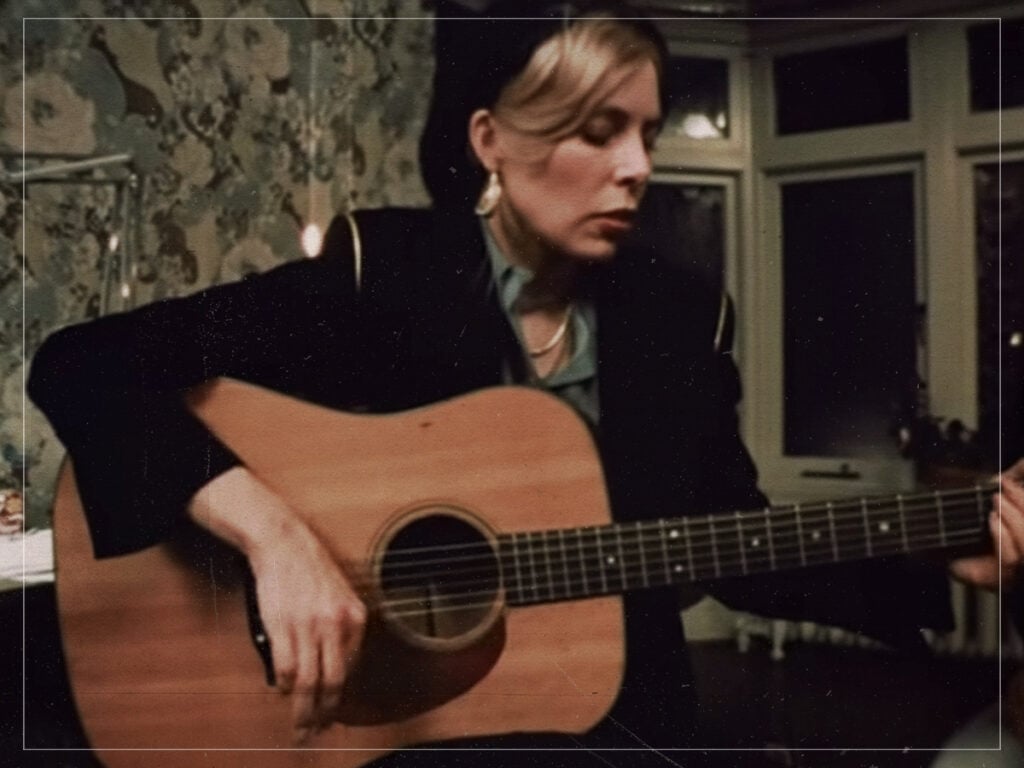
Woodstock 1969 became a pivotal cultural moment that generated sharply divided responses. Whilst many attendees and television viewers felt moved by witnessing diverse crowds united through music and shared values of peace, others including The Who's Pete Townshend remained deeply sceptical about the festival's significance. Townshend questioned whether such gatherings could truly alter society, leading him to express contempt for the idealism he witnessed and later record 'Won't Get Fooled Again' as a cynical riposte.
Joni Mitchell watched the festival unfold from home after her manager persuaded her to pursue a television appearance instead of attending. Profoundly moved by the spiritual atmosphere she observed on screen, Mitchell channelled her sense of missing the event into her song 'Woodstock,' framing the festival as miraculous and comparing its collective wonder to biblical moments of transformation and shared abundance.
In short
- Woodstock 1969 divided observers: celebrants experienced transformative collective unity whilst skeptics questioned whether music could truly effect social change
- Joni Mitchell missed the festival for a television appearance but immortalised her spiritual awe and regret in the song 'Woodstock'
Steelman: both sides, in good faith
The strongest fair case each way — we don't pick a winner.
The case for
Woodstock represented a genuine watershed moment where hundreds of thousands gathered peacefully around shared values of music and social idealism, creating a lasting cultural touchstone that influenced popular music and generational identity. The festival demonstrated that mass peaceful assembly around principled values was possible and continued to resonate artistically and culturally for decades, making Mitchell's characterisation of it as miraculous reflective of its authentic transformative potential and historical significance.
The case against
Whilst Woodstock was undoubtedly a significant musical event, characterising it as truly transformative conflates atmospheric cultural moments with substantive societal change, as Townshend recognised. The festival did not end the Vietnam War, achieve lasting social reform, or prevent the swift co-optation of countercultural ideals by commercial forces; romanticisation has inflated its actual historical impact beyond what a three-day music event could reasonably accomplish.
Explained simply
Woodstock 1969 was a music festival held in New York that became a defining cultural event of the era. It drew hundreds of thousands of attendees and came to symbolise the values of a generation seeking peace and unity through music and shared ideals.
Reactions to the festival's significance were sharply divided even amongst those who experienced it. Many attendees and viewers felt the event was spiritually transformative and unifying, whilst others, including musicians like The Who's Pete Townshend, questioned whether such gatherings could effect genuine social change.
The festival inspired important artistic responses, most notably Joni Mitchell's song "Woodstock." Though Mitchell did not attend in person, she watched the event on television and was moved to write a song that framed the festival as a moment of collective spiritual and cultural significance.
Business Entertainment Markets Music