‘You can’t just bet everything on exports’: as its gas runs out, is Bolivia doomed to repeat history?
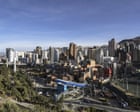
Bolivia's economy has collapsed following the exhaustion of its fossil gas reserves, reversing two decades of growth that had halved poverty rates and made it briefly the "energy heart of South America". Once praised for macroeconomic stability, the country now faces soaring inflation, with imported goods doubling in price and wages failing to keep pace, as ordinary Bolivians revert to cheaper alternatives. The crisis stems from successive governments' failure to diversify the economy when gas revenues were abundant, instead squandering the windfall on subsidies, state spending and maintaining a fixed currency peg.
Experts identify a critical missed opportunity: rather than investing in industrialisation, manufacturing and value-added exports, Bolivia fell into a classic "rentier state" model dependent on exporting raw hydrocarbons. When commodity prices plummeted after 2014, foreign reserves depleted rapidly whilst the government continued expensive subsidies and currency controls, printing money to cover deficits. Compounding the problem, wealthy Bolivian elites hold an estimated £7.4 billion offshore—roughly an eighth of GDP—capital that never circulated domestically to build local industries. The article notes that resource-rich nations like Qatar and Norway avoided similar fates through concurrent investment in private sector development and economic diversification, a path Bolivia's extractive lobbies have resisted.
- Gas boom ended; Bolivia failed to build diverse economy before collapse
- Inflation doubled prices; wealthy elites hoarded £7.4bn offshore
- Poor management of resources and capital flight blamed for crisis