Topic in science

Environment

Environmental news covers the pressing issues affecting our natural world and humanity's relationship with it. From climate change and pollution to conservation efforts and ecosystem management, this coverage explores how human activities impact wildlife and natural resources, and what policies, innovations and practices societies are developing in response. As environmental pressures intensify, these stories directly influence decisions made by governments, businesses and individuals.

About this topic

Our environmental reporting examines regulatory frameworks, scientific research and conservation work that shape our understanding of ecological challenges. It documents both the problems we face—such as air and water pollution, biodiversity loss and resource depletion—and the solutions being pursued through policy, technology and traditional ecological knowledge. These stories matter because environmental choices made today have lasting consequences for public health, natural spaces and the resources available to future generations.

724 stories Follow All news
Last 7 days 42 stories
0

Why do people keep dumping buckets of fish into Montana’s lakes?

  • A few released perch transformed Lake Mary Ronan’s fish population.
  • Montana makes intentional non-native fish releases a felony.
  • “Bucket biology” can damage ecosystems and cost millions to manage.

In 1992, someone released yellow perch into Lake Mary Ronan in Montana, and the fish multiplied, displaced native Westslope Cutthroat trout and disrupted the lake’s ecosystem. The case illustrates how a small, unauthorised release can cause lasting ecological damage, threatening wildlife and the clarity of waters prized for…

0

Passion flower perfume and peach palm sunscreen: The industry emerging around Colombia’s 2,500 species of fruits

  • Colombia cultivates about 2,500 fruit species.
  • Only around 5% are sold commercially.
  • New products and advocates are drawing attention to them.

Colombia grows around 2,500 fruit species, but only about 5% are commercially available, leaving much of this biodiversity unfamiliar to local consumers. Companies and advocates are starting to turn that untapped variety into products and public interest, with potential benefits for local producers and wider recognition of the…

El País0
0

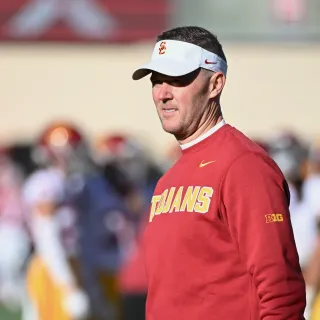
Hey, USC powers that be, repeat after me: Lincoln Riley has gotta go

  • USC lost 27-13 to Indiana and fell to 7-3.
  • The writer says the defeat rules out a playoff run.
  • Riley’s reported buyout is about $70 million.

USC lost 27-13 to Indiana, leaving the Trojans with a third defeat and, in the article’s view, no realistic path to the College Football Playoff. The writer argues the loss is further evidence that coach Lincoln Riley should be dismissed, despite the investment and expectations surrounding the programme.…

New York Post0
0

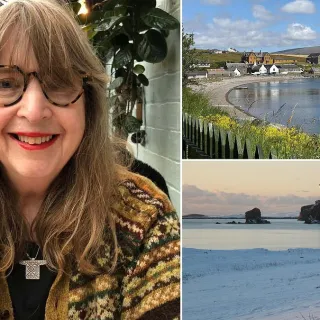
Shetland GP retirement opens door to island practice serving 800 patients

  • Shetland GP Susan Bowie is retiring in April.
  • Her successor will care for about 800 patients.
  • The post offers a £10,000 payment and island life.

Dr Susan Bowie, one of the UK’s most northerly GPs, is preparing to retire in April, creating an opportunity to take over her long-standing practice at Hillswick Health Centre in Shetland. The post offers island living among abundant wildlife and coastal scenery, and could appeal to doctors seeking…

Daily Mail0
0

Australian senator urges AI safeguards for artists and the environment

  • McLachlan says artists’ copyright must be protected in AI policy.
  • He warns against prioritising datacentres over environmental concerns.
  • Copyright changes could prompt constitutional challenges over property rights.

Liberal senator Andrew McLachlan has urged the Australian government to protect artists’ copyright and consider environmental costs as it develops policies to attract AI investment. He says creative work should not be sacrificed for corporate profits, and warns that weakening copyright protections could raise constitutional questions about the…

The Guardian0
0

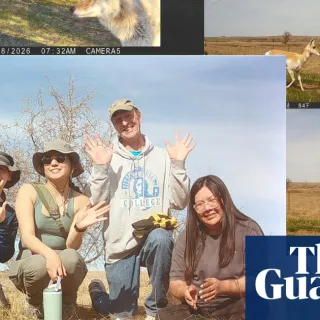
Indigenous students retrace Lewis and Clark’s historic journey: ‘We can’t protect what we cannot see’

  • Indigenous students are surveying wildlife along Lewis and Clark’s route.
  • Seven tribal colleges are participating in the project.
  • Thousands of cameras will help document ecological changes.

Indigenous students are helping the Smithsonian conduct a new wildlife survey along the route travelled by Lewis and Clark, using trail cameras to document changes since the early 19th century. The project aims to include tribal communities in research about their lands and recognise their role in the…

The Guardian0
0

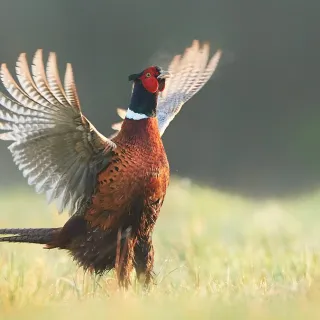
Tory MPs urge ministers to rule out restrictions on pheasant shooting

  • MPs want reassurance that licensing will not curb pheasant shooting.
  • At least 26,000 consultation respondents reportedly backed continuation.
  • The Government says it has no plans to ban gamebird shooting.

Tory MPs have urged the Government to rule out a “stealth ban” on pheasant shooting, after it consulted on licensing gamebird shoots and releases. They fear a licensing system could effectively end shooting in some areas, while the debate matters to rural livelihoods and conservation. A letter from…

Daily Mail0
0

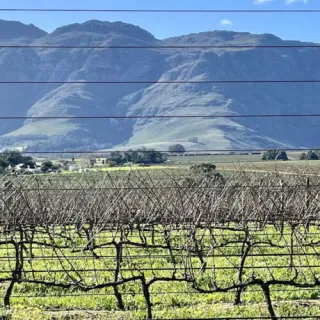
Winemakers are learning that conservation can be good for business

  • Conservation can help vineyards adapt to harsher conditions.
  • Growers use native plants and cover crops to protect soil and water.
  • A study examined stewardship practices at 107 Western Cape vineyards.

Winemakers in South Africa’s Western Cape are increasingly using conservation practices to help vineyards withstand drought, heat and erratic rainfall. A study of 107 vineyards found that many operators view protecting soil, water and wildlife habitat as a way to support long-term business success, as well as biodiversity.…

Ars Technica0
0

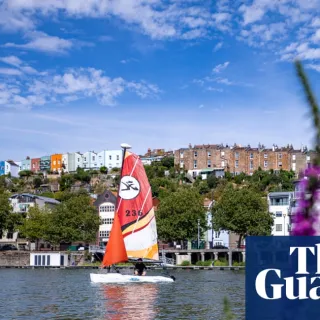
Bristol plans five-year wetland restoration to curb flooding and aid wildlife

  • Bristol is seeking the UK’s first wetland city accreditation.
  • More than 200 projects are planned over five years.
  • Aviva is funding the initiative with £8.9m.

Bristol is aiming to become the UK’s first accredited “wetland city” through a five-year project to restore and create wetlands. The initiative is intended to support wildlife, give residents better access to nature and reduce flood risk by storing rainwater where it falls. The Wildfowl & Wetlands Trust…

The Guardian0