Video games news, releases, esports and culture — all the biggest gaming stories in one place.
Valve says there’s no end in sight to the memory crisis, and prices are only going to increase: ‘Honestly, it’s still getting worse’
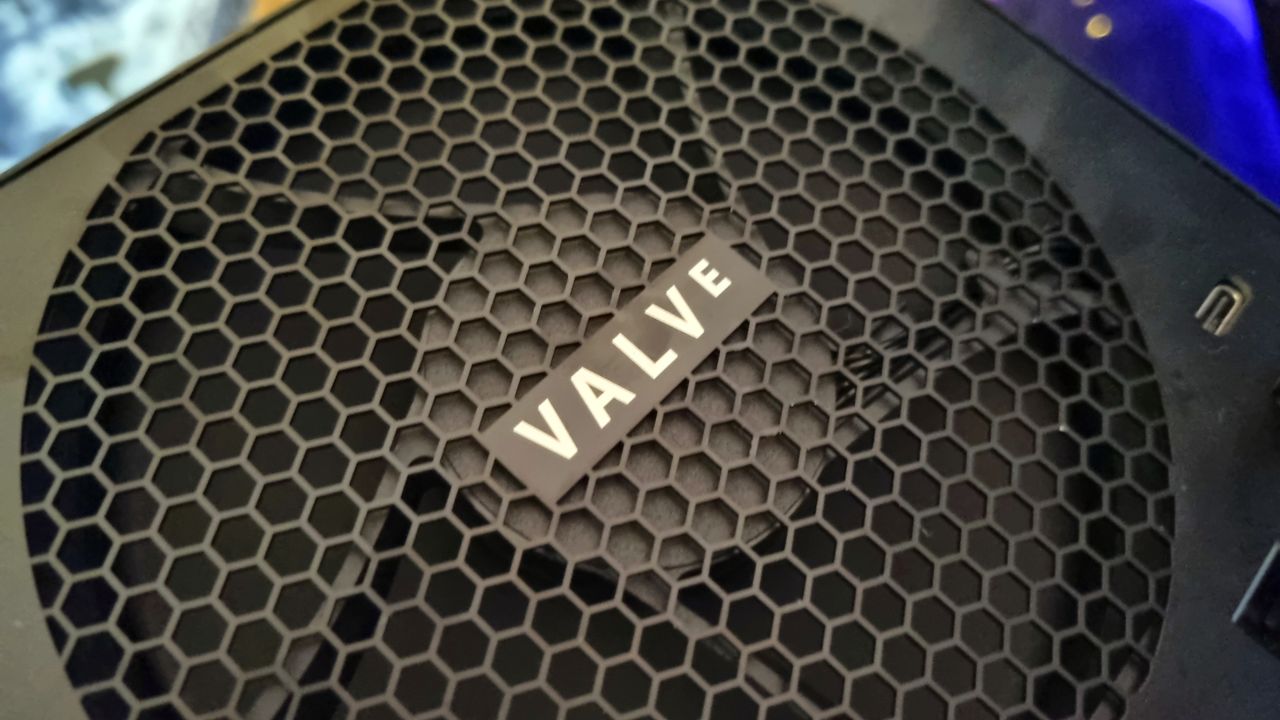
Valve has warned that the ongoing global memory chip shortage shows no sign of easing, with prices for RAM and storage set to keep climbing rather than stabilise. The comments, made in the context of the company's hardware plans, underline how the crisis is squeezing the wider PC and gaming hardware industry, pushing up costs for manufacturers and consumers alike as chipmakers struggle to meet demand.
Valve's stance reflects growing concern across the tech sector that supply constraints on memory components, which have already driven up prices for graphics cards, consoles and PCs, are not a temporary blip but a prolonged squeeze. The company suggested the situation is deteriorating further rather than showing early signs of recovery, meaning gamers and hardware makers should brace for continued price pressure on memory-dependent products for the foreseeable future.
In short
- Valve says the memory chip crisis is still worsening, not improving
- Prices for RAM and storage expected to rise further
- No clear end in sight for the ongoing shortage
Explained simply
Memory chips are essential components inside computers, games consoles and storage devices. A global shortage of these chips has developed because manufacturers cannot produce enough to meet worldwide demand. This shortage has caused the prices of many electronics to rise, from graphics cards to personal computers.
Valve, the gaming company behind the Steam platform, has now warned that the shortage is continuing to get worse. Rather than prices stabilising or chip availability improving, the situation is becoming more difficult for the manufacturers and consumers who depend on these components. This matters because the shortage is affecting costs across the entire gaming and personal computer hardware industry.
The root cause is that chipmakers worldwide are struggling to keep up with global demand for memory components. Since these chips are essential parts of nearly all modern electronics, the shortage creates widespread price pressure throughout the technology sector.