Entertainment news and discussion on TalkFuse.
The Word “Binge-Worthy” Is Overused, but These 10 Netflix Shows Actually Are
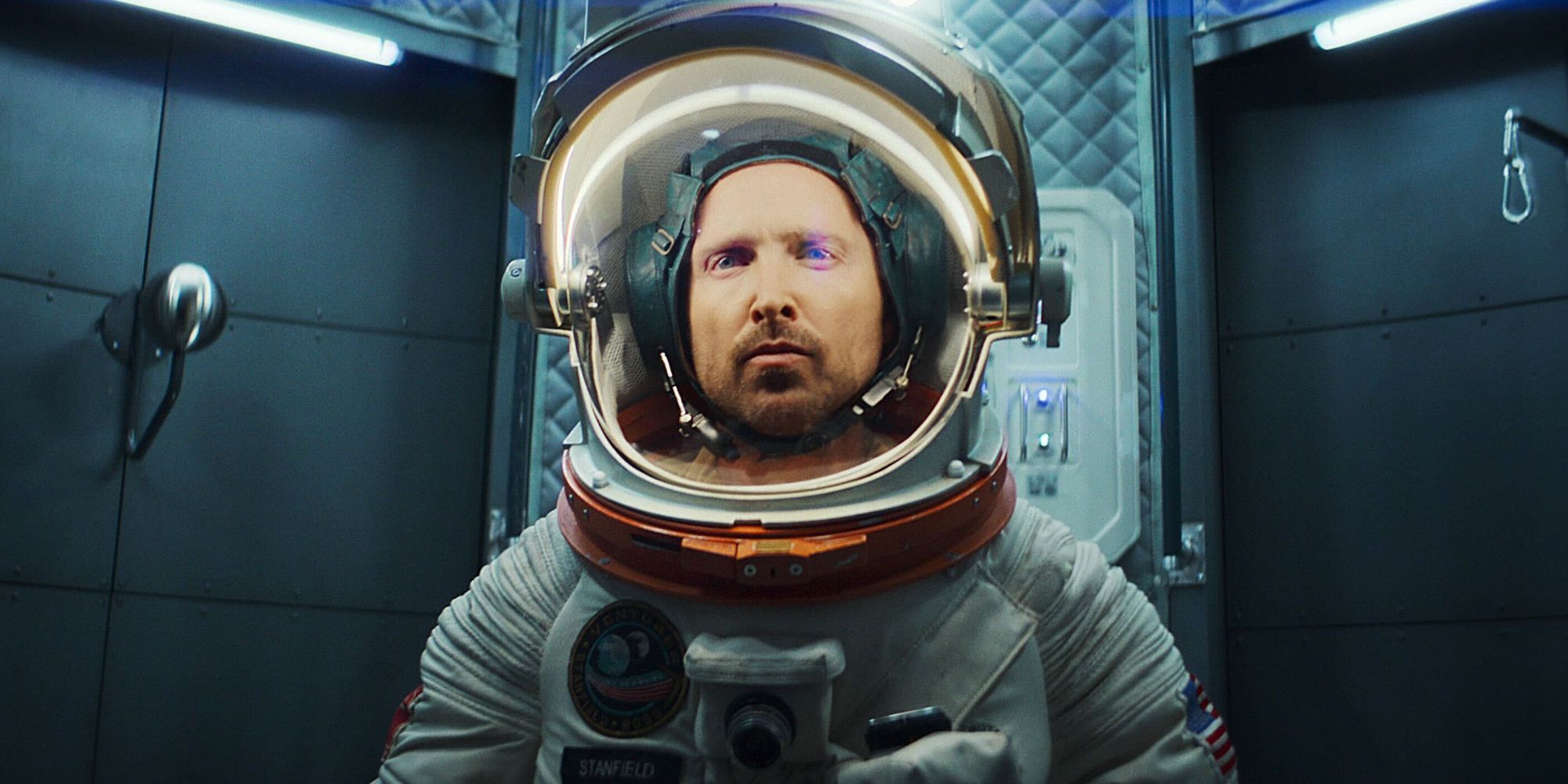
Collider writer Jiminna Shillingford argues that "binge-worthy" is thrown around too loosely in streaming coverage, often slapped on any trending show with a hook and a recognisable cast. Instead, she sets out a list of Netflix titles she believes genuinely earn the label, judging them on qualities such as layered mysteries, cliffhangers, strong characters and episode endings that make it hard to stop watching.
The piece cites Black Mirror and Locke & Key as prime examples before ranking ten shows overall, working down from number ten. Entries include the animated fantasy The Dragon Prince (2018–2024), praised for its imaginative world-building and short, cliffhanger-laden episodes; the true-crime drama Mindhunter (2019), noted for its tense study of FBI criminal profiling; and the adult animated comedy Disenchantment (2018–2023), whose fuller entry is not included in the excerpt provided.
In short
- Collider lists ten Netflix shows it deems truly "binge-worthy".
- Black Mirror and Locke & Key cited as standout examples.
- Ranked entries include The Dragon Prince, Mindhunter and Disenchantment.
Steelman: both sides, in good faith
The strongest fair case each way — we don't pick a winner.
The case for
Shows with intentional cliffhangers, layered mysteries and compelling episode structures are meaningfully different from more episodic or leisurely-paced content. Using "binge-worthy" discriminately helps audiences understand what they're getting into and prevents the label becoming empty marketing jargon. When applied indiscriminately to anything trending with recognisable actors, the term ceases to communicate useful information.
The case against
"Binge-worthy" has always reflected subjective viewer satisfaction, and any show that genuinely compels consecutive viewing is binge-worthy for that person. Establishing rigid structural criteria excludes character-driven narratives, contemplative dramas and understated mysteries that build differently than engineered tension. Such gatekeeping ignores that different audiences have different pacing preferences, and the term's meaning should reflect how viewers actually use it.
Explained simply
"Binge-worthy" has become a standard term in entertainment writing since streaming services like Netflix made it possible to watch entire seasons at once. The phrase is meant to describe shows so compelling that viewers struggle to stop watching and burn through episodes in rapid succession. However, the label has become commonplace in coverage of streaming content, often applied to any popular show regardless of whether it truly keeps audiences glued.
Jiminna Shillingford, a writer at entertainment publication Collider, argues that the term is now so loosely used it has lost much of its meaning. She contends that many shows are branded "binge-worthy" simply because they are trending or feature recognisable actors, without real examination of what makes a show genuinely hard to stop watching. This reflects a broader tension in entertainment criticism between marketing-speak and honest assessment.
To demonstrate the difference, Shillingford has identified a selection of Netflix shows she believes actually deserve the "binge-worthy" label based on their storytelling qualities. Her choices are judged on elements such as compelling characters, mysteries that develop across episodes, cliffhangers that prompt viewers to continue watching, and episode endings designed to maintain momentum. The piece offers a framework for thinking critically about what makes streaming content genuinely addictive versus simply popular or well-promoted.