Entertainment news and discussion on TalkFuse.
10 Bleakest Dystopias in Book History
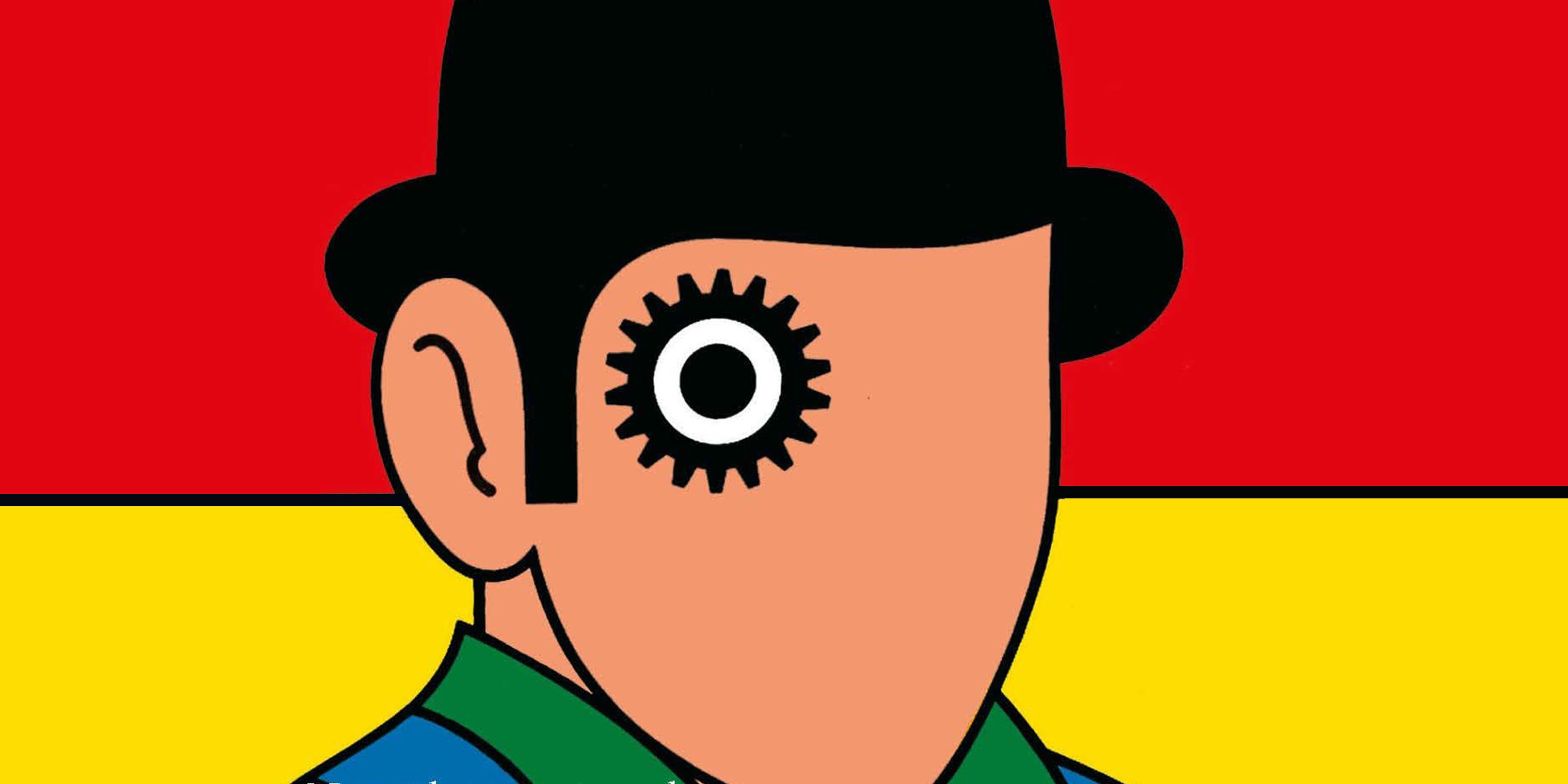
Collider has published a ranked list of the bleakest dystopian novels in literary history, highlighting stories that use exaggerated, unsettling futures to comment on real-world anxieties around power, technology, conformity and violence. Writer Luc Haasbroek argues the most disturbing dystopias are those that feel eerily plausible, serving as warnings about where society could head if current trends go unchecked.
The countdown spans classics such as Ray Bradbury's "Fahrenheit 451", Kazuo Ishiguro's "Never Let Me Go" and Cormac McCarthy's "The Road", up to genre landmarks like "A Clockwork Orange" and "Nineteen Eighty-Four" at the top. Each entry is examined for the specific horror it explores, from state censorship and voluntary cultural decline to bioethical exploitation and post-apocalyptic societal collapse.
In short
- Collider ranks the 10 grimmest dystopian novels ever written.
- List includes "Fahrenheit 451", "Never Let Me Go" and "The Road".
- Nineteen Eighty-Four and A Clockwork Orange top the ranking.
Explained simply
Dystopian fiction depicts imagined futures where society has become deeply troubling, often under the control of oppressive systems or facing catastrophic circumstances. These stories serve as thought experiments, exploring where real-world problems and power imbalances could lead if left unchecked. They have remained popular across decades because they allow readers to examine anxieties about technology, government control, conformity and violence without real-world consequences.
The most effective dystopian novels are those that feel uncomfortably realistic rather than purely fantastical. Writers use exaggerated but plausible settings to highlight specific dangers: state censorship suppressing knowledge, culture becoming superficial and numbing, people being exploited for biological purposes, or societies collapsing after catastrophic events. These works invite readers to consider whether elements of these futures already exist in the present and whether current trends could lead us in such directions.
Literature spanning the past century has developed a rich tradition of dystopian storytelling, with certain classics becoming touchstones for discussing particular societal fears. Different readers find different novels most relevant depending on which threats concern them most, and each generation discovers new relevance in older works as circumstances change.