Nintendo Switch’s early demise is coming much too soon
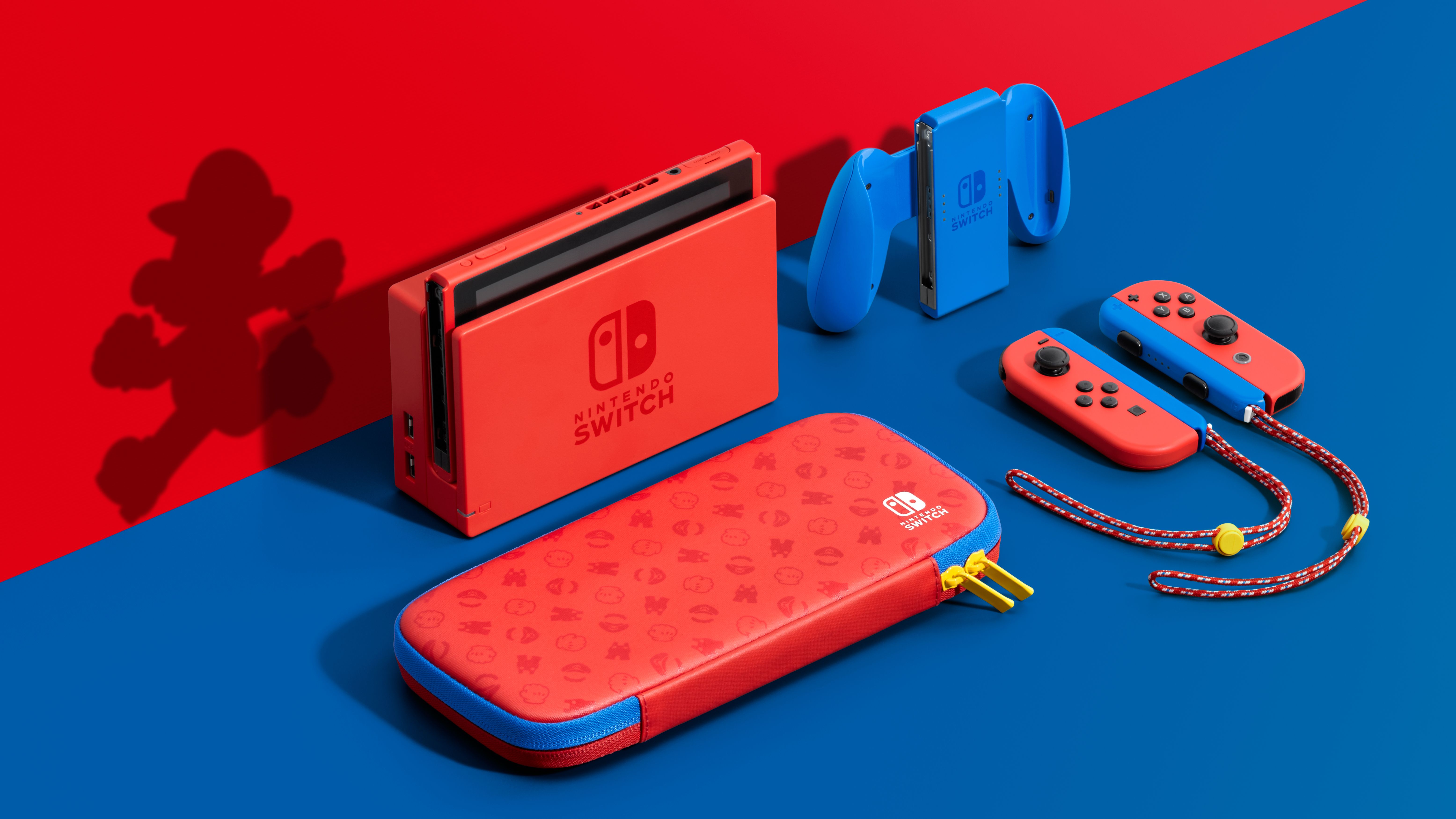
Nintendo is ending production of the original Switch, Switch Lite, and Switch OLED for the European market in February 2027, earlier than would normally be expected given the console's enduring popularity. The change has been forced by new EU "right to repair" legislation requiring easily replaceable batteries in electronic devices, which Nintendo has chosen not to retrofit onto the ageing original Switch line, instead complying by launching a redesigned Switch 2 model with a removable battery for Europe.
While the legislation is broadly welcomed for pushing back against manufacturer-driven obsolescence and reducing electronic waste, its timing creates an affordability gap: with the original Switch (from around $200) exiting the European market, the Switch 2 at roughly $500 will become the cheapest new Nintendo hardware available there. Commentators warn this pricing, driven partly by a global memory chip shortage, risks locking out younger players, lower-income households and those in developing economies who relied on the budget-friendly original Switch as an entry point into gaming.
In short
- Nintendo ends original Switch production in Europe from February 2027.
- EU battery "right to repair" rules forced the decision, not sales.
- Switch 2 will cost around $500, leaving Europe without a budget option.
Steelman: both sides, in good faith
The strongest fair case each way — we don't pick a winner.
The case for
The EU's right-to-repair legislation addresses a critical environmental problem—manufacturer-driven obsolescence that creates unnecessary waste—and requiring replaceable batteries is a proportionate solution. Nintendo's decision to comply and offer a modern alternative with the Switch 2 demonstrates such regulation is implementable, and accepting transition costs is necessary to break the cycle of unsustainable consumption. Environmental protection requires difficult decisions, but abandoning repair standards would only perpetuate the problem indefinitely.
The case against
Whilst the right-to-repair legislation pursues valid environmental goals, its enforcement has created an acute affordability crisis by eliminating Europe's only budget-friendly Nintendo console just as its replacement launches at more than double the price. This disproportionately harms lower-income families, young players, and consumers in developing countries who depended on the original Switch's accessibility, effectively excluding them from gaming during the transition. The policy's environmental merits must be weighed against serious and immediate harm to consumer access and market inclusivity.
Explained simply
Nintendo's Switch is a gaming console released in 2017 that became hugely popular and continues to sell well, partly because it can be played at home or as a portable handheld device. Its relatively affordable price has meant it reached a wide audience including children, casual players and families on modest budgets.
The European Union has introduced new legislation requiring electronic devices to have easily replaceable batteries, aiming to reduce waste and keep devices usable for longer. Rather than modify the original Switch to meet this requirement, Nintendo has decided to discontinue the console in Europe and instead introduce the new Switch 2 model, which will have a removable battery and comply with the rules.
The concern is that this creates an affordability gap. Whilst the original Switch costs around £170, the Switch 2 is expected to cost roughly £400, meaning budget-conscious consumers, younger players and lower-income households will face a significant barrier to entry into Nintendo's ecosystem. Although the environmental legislation has genuine merits, the timing of this transition risks excluding the audiences who most relied on the Switch's affordability.