Technology news and discussion on TalkFuse.
Fraud expert warns AI is helping criminals outpace the government: ‘Don’t have the right tools’
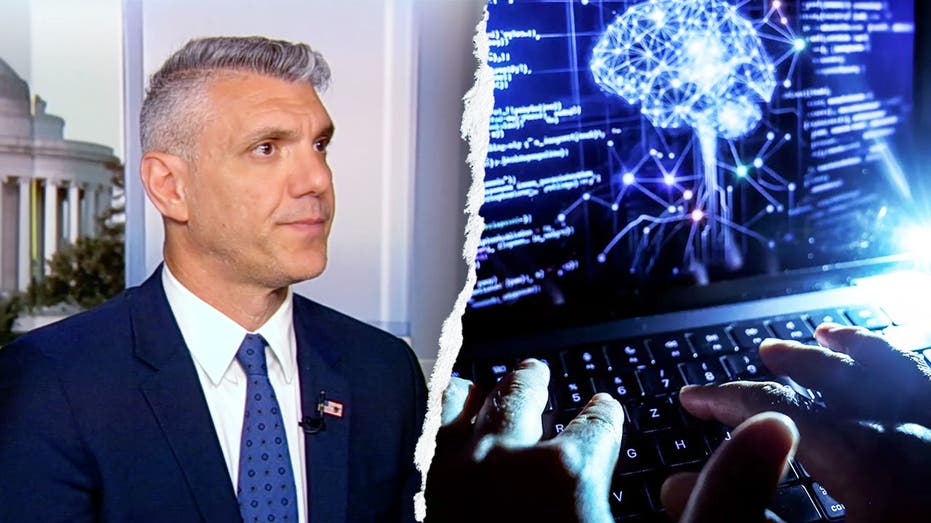
A fraud expert who testified before the US House Oversight Committee has warned that the federal government does not have adequate tools or policies to stop criminals using artificial intelligence to defraud taxpayers. David Maimon, head of Fraud Insights at Sentilink, told the committee that existing identity verification systems are being defeated by AI-generated deepfakes, allowing fraudsters to outpace government defences. This matters because it exposes a widening gap between the sophistication of AI-enabled fraud and the government's capacity to detect and prevent it, potentially leaving taxpayer-funded programmes vulnerable to exploitation.
Speaking to Fox News Digital after his congressional testimony, Maimon said the core problem is that authorities "simply don't have the right tools to deal with fraud" as it currently stands. He specifically pointed to deepfake technology as capable of defeating identity checks that government systems rely on, underscoring calls for updated policies and technological safeguards to keep pace with rapidly evolving AI-driven criminal tactics.
In short
- Fraud expert David Maimon testified to Congress on AI-enabled fraud risks.
- He says government lacks tools to counter AI-driven fraud.
- Deepfakes are reportedly defeating current identity verification checks.
Steelman: both sides, in good faith
The strongest fair case each way — we don't pick a winner.
The case for
The rapid evolution of AI-driven fraud represents a serious and escalating threat that demands urgent government action. Deepfake technology can now defeat identity verification systems that existing authentication relies upon, allowing criminals to exploit taxpayer-funded programmes at scale. The government must invest in modernised tools and updated policies to match the sophistication of current criminal tactics, as delaying action whilst criminals continue to innovate risks substantial public losses.
The case against
Whilst AI-enabled fraud deserves attention, the scale of the threat and the need for rapid government intervention may be overstated relative to traditional fraud challenges. The private sector is innovating rapidly in authentication and fraud detection, and authorities should prioritise better implementation of existing capabilities and collaboration with companies already developing solutions. Rather than deploying new government tools with potential privacy implications and unintended consequences, a measured approach that learns from market innovations would be preferable.
Explained simply
Criminals are increasingly using artificial intelligence, particularly deepfake technology, to commit fraud against government programmes. These AI-generated deepfakes can create convincing forged identities and documents that fool the identity verification systems government agencies rely on.
The federal government currently lacks adequate tools and policies to defend against AI-enabled fraud. Experts warn that criminals are developing new AI-based methods faster than the government can respond.
This matters because it leaves taxpayer-funded programmes vulnerable to exploitation. If criminals can reliably defeat identity verification systems, significant public funds could be diverted through fraud before agencies can develop sufficient protections.
AI Government Politics Technology World