Entertainment news and discussion on TalkFuse.
Xbox exec tells fans not to “overly fixate on single-player” games becoming console exclusives because it’s not “carved in stone”
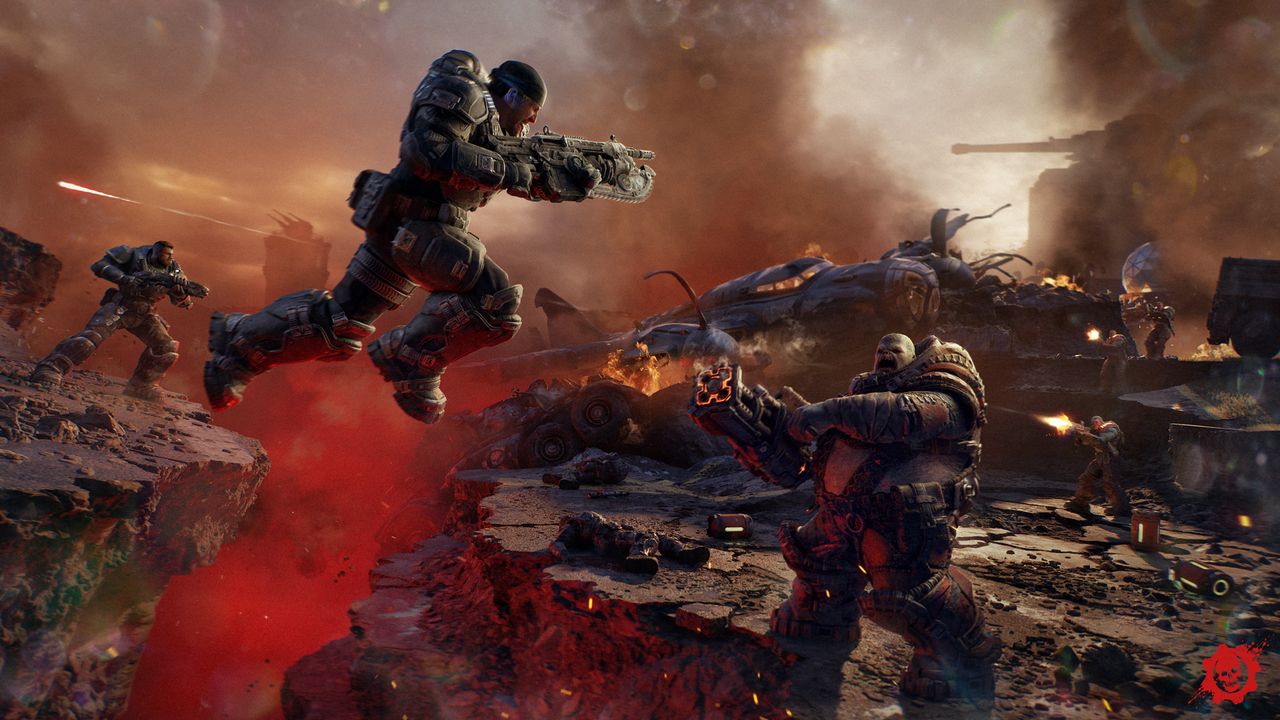
An Xbox executive has urged fans not to assume that single-player games will remain console exclusives indefinitely, stating that such exclusivity is not "carved in stone." The comments come amid Microsoft's broader shift towards releasing more of its titles across multiple platforms, including PlayStation and Nintendo Switch, a strategy that has already seen several previously Xbox-exclusive games launch elsewhere. The remarks matter because they signal that Microsoft's approach to exclusivity remains flexible and subject to change, unsettling some players who have come to expect certain single-player titles to stay tied to Xbox and PC.
The executive's message pushes back against fans who have "overly fixated" on the idea that single-player games in particular would be protected from Microsoft's multiplatform push, seen with titles such as Hi-Fi Rush, Sea of Thieves and Indiana Jones and the Great Circle. Rather than committing to a fixed policy, the exec framed decisions on where games launch as ongoing and case-by-case, reflecting Xbox's wider strategy of prioritising reach and revenue over strict platform exclusivity as it competes with Sony and Nintendo.
In short
- Xbox exec says single-player exclusivity isn't guaranteed long-term.
- Comments reflect Microsoft's growing multiplatform release strategy.
- Fans urged not to assume games will stay console-exclusive forever.
Steelman: both sides, in good faith
The strongest fair case each way — we don't pick a winner.
The case for
The case for releasing games across multiple platforms rests on maximising consumer choice and accessibility whilst generating greater revenue and market reach. When more players can enjoy a game regardless of hardware owned, it validates the artistic and commercial investment in the title; restricting access to a single ecosystem artificially limits the audience and leaves revenue unrealised. Microsoft's flexibility reflects pragmatic recognition that hardware exclusivity is increasingly untenable in an era of subscription services and cloud gaming, and that building goodwill through cross-platform release ultimately strengthens the Xbox brand more than defending arbitrary walls.
The case against
Console exclusives have historically been the cornerstone of platform differentiation and the primary reason consumers invest in specific hardware. If Microsoft releases flagship titles across competing ecosystems, the incentive to buy an Xbox console diminishes substantially, undermining hardware sales and ecosystem lock-in that sustains long-term profitability. Exclusives build community identity and loyal fanbases; abandoning them risks appearing directionless and signals weakness to competitors. The expectation that major titles remain exclusive is not "overly fixated" but rather the foundational commercial promise that has justified player investment in Xbox.
Explained simply
For decades, video game companies have released exclusive titles available only on their console—a strategy designed to convince people to buy that particular hardware. If a game is exclusive to Xbox, for instance, you can only play it on Xbox or PC, not on PlayStation or Nintendo Switch. This exclusivity model has been central to how gaming platforms compete with one another.
Microsoft, which owns Xbox, has long followed this approach. In recent years, however, the company has begun releasing games across multiple platforms simultaneously, including bringing titles previously exclusive to Xbox to PlayStation and Nintendo Switch. This represents a departure from the traditional console business model.
This shift matters because it affects what consumers gain from buying an Xbox console specifically. Players often invest in Xbox hardware because certain games are unavailable elsewhere. If Microsoft continues releasing major titles across all platforms, the advantage of owning an Xbox diminishes, which could shape whether people feel they need to purchase that particular console.