Entertainment news and discussion on TalkFuse.
Valve aren’t putting any exclusives on the Steam Machine because they see “the whole PC catalog as our ‘launch exclusive'”
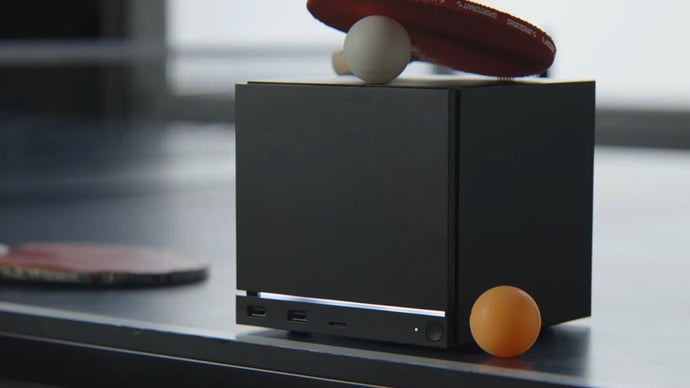
Valve has confirmed that its upcoming Steam Machine console will launch without any exclusive games, taking a deliberately open approach that contrasts with the traditional console model. Speaking to Bloomberg, Valve engineers explained that they want rival hardware manufacturers to be free to make similar devices with better performance or different features, believing that growing the wider PC ecosystem ultimately benefits Valve more than exclusives would, since it drives more people towards buying games through Steam.
Engineer Loup Griffais said Valve sees "the whole PC catalog as our 'launch exclusive'", arguing that restricting where a game can be played isn't a model that suits the company, despite persistent rumours of a new Half-Life tied to the hardware. Fellow engineer Yazan Aldehayyat also touched on pricing, warning that things are "getting worse" and that retail prices currently lag around three to six months behind what Valve is seeing from bulk supply costs.
In short
- Steam Machine will launch with no hardware-exclusive games
- Valve wants other manufacturers to build similar, open PC devices
- Valve warns retail pricing is likely to worsen, not improve
Steelman: both sides, in good faith
The strongest fair case each way — we don't pick a winner.
The case for
Valve's approach reflects a sophisticated understanding of platform economics in the PC space. By refusing to restrict games to their hardware and instead encouraging competing manufacturers to build Steam-compatible devices, Valve cultivates a broader ecosystem where more people have access to PC gaming experiences. This strategy generates more Steam sales overall—Valve's actual revenue source—than exclusives could, since each additional hardware manufacturer expands the addressable market rather than fragmenting it. Openness also builds goodwill and reduces the consumer scepticism that platform lock-in strategies invite.
The case against
Successful gaming platforms historically depend on exclusive titles to drive hardware adoption and create compelling reasons for consumers to choose one device over another. Without exclusives, Steam Machines compete purely on technical specifications against established gaming PCs and consoles, a race where differentiation becomes difficult and pricing pressures intense. Exclusive flagship titles justify premium pricing and create momentum for hardware sales that fund software development. Openness may grow the ecosystem abstractly, but it surrenders the concrete competitive advantages that have built every dominant gaming platform from Nintendo through PlayStation.
Explained simply
Valve is a video game company best known for Steam, the world's largest digital storefront where PC gamers buy and download games. Valve owns and operates Steam from its headquarters and has enormous influence over how PC gaming works globally.
Gaming consoles like PlayStation and Xbox are specialised hardware devices designed specifically for playing games, and they typically rely on exclusive games—titles that only play on that particular console—to attract buyers. This exclusivity strategy is considered a core part of the console business model, with companies spending billions acquiring exclusive games to differentiate their hardware from competitors.
The Steam Machine is Valve's entry into the console market, but rather than following the traditional exclusivity strategy, Valve has chosen to support an open ecosystem where multiple manufacturers can build compatible gaming devices. Valve's engineers argue that this benefits the company more in the long run because a thriving wider PC gaming ecosystem drives more people to Steam, where Valve takes a cut of game sales, rather than restricting which hardware can play which games.