Canadian wildfire smoke ignites cross-border feud over Ottawa’s ‘willful negligence’
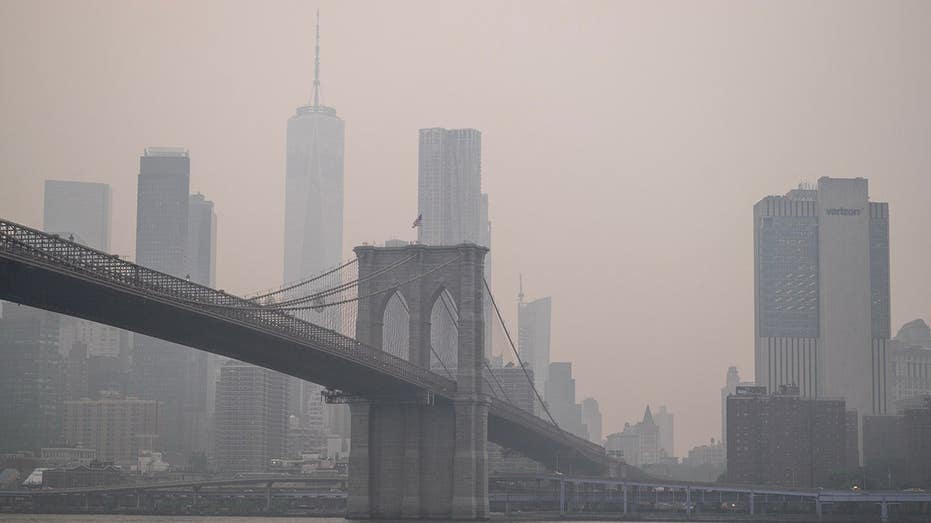
US President Donald Trump has accused Canada of "wilful negligence" in managing its forests, blaming poor forestry practices for the wildfires whose smoke has been drifting across the United States. He has threatened to factor the economic cost of the smoke into tariffs imposed on Canadian imports, escalating an already tense trade relationship between the two countries.
Trump made the comments from the White House, saying the US was holding Canada responsible for failing to properly maintain its forests and brush, and warning that Washington may seek compensation through trade measures. Forestry experts cited in the report suggest that more aggressive forest management in Canada could help reduce the severity of some fires. Fox News also referenced separate health concerns linked to the smoke, including short-term respiratory effects and a Cyclospora outbreak, discussed by the network's senior medical analyst.
In short
- Trump blames Canada's forest management for cross-border wildfire smoke
- He threatens to link smoke costs to tariffs on Canadian goods
- Experts say better forest upkeep could reduce wildfire severity
Steelman: both sides, in good faith
The strongest fair case each way — we don't pick a winner.
The case for
Canada has a responsibility to manage its forests more actively through controlled burns, thinning, and brush clearance—techniques that forestry science confirms can reduce fuel loads and wildfire severity. When Canadian forestry practices contribute to smoke that causes measurable health and economic harm to American citizens, it is reasonable for the US to hold Canada accountable and to use economic leverage as an incentive for better stewardship of shared atmospheric resources.
The case against
Modern wildfires are increasingly driven by climate change—extended seasons, extreme heat, and drought create conditions where even aggressively managed forests burn catastrophically, making forest management alone an insufficient solution to transboundary smoke. Using tariffs to punish environmental outcomes is crude policy-making that ignores the multinational nature of atmospheric pollution; Canada does not impose tariffs when American pollution crosses its border, and weaponising trade disputes over climate-driven environmental challenges sets a dangerous precedent rather than encouraging genuine scientific cooperation.
Explained simply
Canada's forests experience significant wildfires, particularly during warmer and drier months, and smoke from these fires regularly drifts across the border into the United States. The smoke affects air quality in American communities and poses health risks to residents in affected areas, making it a concern for both countries.
Discussions have taken place among experts and officials about the role of forest management in affecting wildfire severity and spread. Some argue that more active management of forests could reduce fire risk, whilst others point to different factors such as climate conditions and weather patterns as primary drivers of fire activity.
The United States and Canada have experienced significant trade friction in recent years involving tariffs and import duties. Environmental issues that cross the border, such as wildfire smoke, can become linked with these trade disputes when governments consider economic or trade-related responses to such impacts.
Americas Government Politics World