Culture news and discussion on TalkFuse.
Star Trek’s Most Iconic Character Was Born From a Budget Crisis
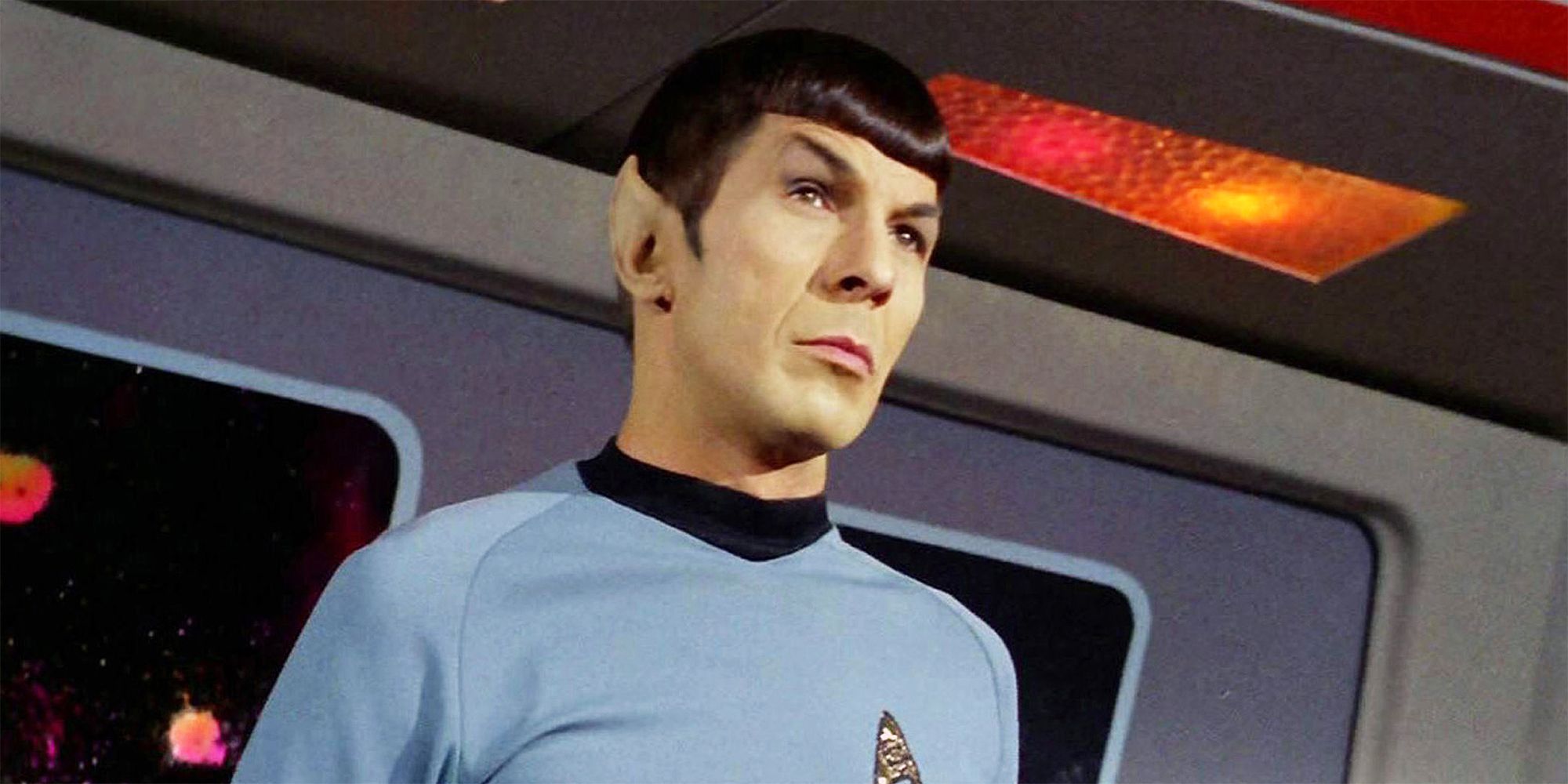
The character of Spock, one of the most enduring figures in science fiction, was reportedly shaped as much by budgetary constraints as by creative vision. Star Trek: The Original Series creator Gene Roddenberry wanted to depict an optimistic, multicultural future for humanity, including alien crew members serving alongside humans aboard the USS Enterprise, but the show's limited production budget meant elaborate alien designs were impractical. The relatively simple Vulcan look eventually adopted for Spock, played by Leonard Nimoy, arose from working within these financial limits, and it went on to become one of the defining visual elements of the franchise.
Set in the 23rd century, The Original Series imagines a Federation of Planets in which humans and other species explore the galaxy together in peace, with Starfleet defending against threats to this alliance. Roddenberry used the multi-species crew, including Spock's half-human, half-Vulcan science officer, to embody this hopeful vision. According to the article, the pared-back approach necessitated by the tight budget ultimately produced a character design that proved simple, distinctive and lasting, contributing significantly to Spock's status as an icon of popular culture.
In short
- Spock's iconic look stemmed from Star Trek's tight original budget
- Gene Roddenberry wanted alien crew to reflect a hopeful, multicultural future
- Budget limits led to a simple Vulcan design that became iconic
Steelman: both sides, in good faith
The strongest fair case each way — we don't pick a winner.
The case for
The story illustrates a genuine creative principle: constraints often produce superior results. Budget limitations forced deliberate design choices, yielding the elegantly minimal Vulcan aesthetic that became instantly iconic and recognisable. Complex prosthetics might have impressed initially but risked looking dated or over-elaborate. The budget constraint proved creatively beneficial, demonstrating that sometimes scarcity breeds innovation and that simplicity achieves lasting cultural impact.
The case against
Whilst budgetary limits plainly influenced design decisions, framing Spock's iconic status primarily as a product of financial necessity risks diminishing the genuine creative achievement involved. Roddenberry's conception, the thoughtful writing of the character, and Leonard Nimoy's superb performance transformed him into a cultural icon through intentional artistry. The "born from budget crisis" narrative risks becoming a reductive happy-accident story that undervalues the skill, intention and talent that made him genuinely remarkable.
Explained simply
Star Trek: The Original Series was a science fiction television programme created by Gene Roddenberry in the 1960s, imagining humanity's future. It depicted a Federation of Planets where humans and other species worked together in peace, exploring the galaxy aboard the starship USS Enterprise.
Spock was the science officer aboard the Enterprise, a half-human, half-Vulcan character played by Leonard Nimoy. He became one of science fiction's most recognisable figures, embodying Roddenberry's vision of a diverse, hopeful future and helping shape the Star Trek franchise for generations.
Roddenberry wanted the Enterprise crew to reflect this multicultural vision, but the show faced tight production budgets. This meant creators faced practical constraints when designing the appearance of alien characters, influencing how Spock and other crew members eventually looked on screen.
Art Celebrity Culture Entertainment TV