World news and discussion on TalkFuse.
Liberal circuit judge blasts SCOTUS conservatives, says Hawaii will defy high court
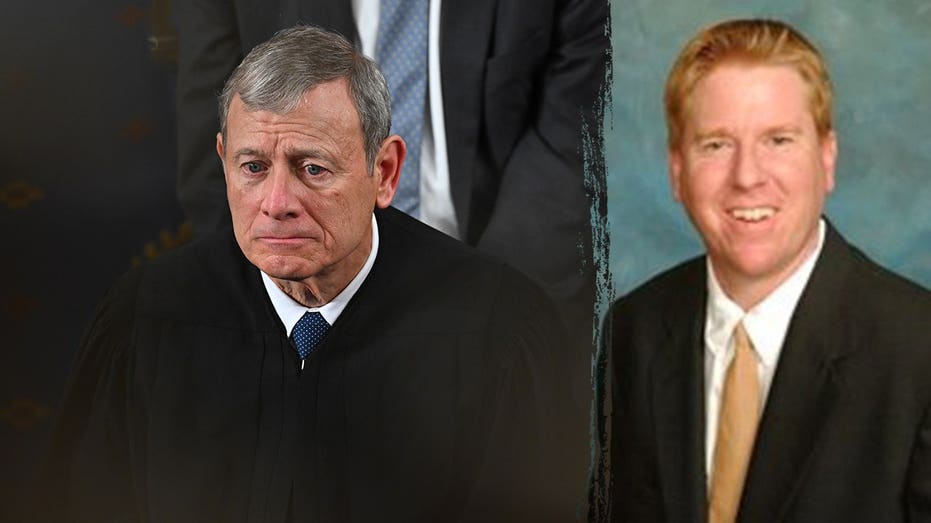
A justice on the Hawaii Supreme Court used a ruling that overturned a decades-old criminal conviction as the occasion for a strongly worded attack on the US Supreme Court led by Chief Justice John Roberts, accusing the conservative-majority court of weakening constitutional rights, damaging American democracy and pursuing a political agenda. The remarks, framed as part of a state-level judicial opinion, suggest Hawaii's courts may be prepared to diverge from recent rulings handed down by the nation's highest court.
The criticism comes after a Supreme Court term that included major decisions on birthright citizenship and executive power, with the conservative majority widely seen as focused on curbing the administrative state and returning to a more originalist reading of the Constitution, including the Bill of Rights and federalism. The Hawaii justice's comments reflect broader tension between state judiciaries and the current Supreme Court, though the underlying case, its precise legal reasoning and further reaction from other officials were not detailed in the available report.
In short
- Hawaii Supreme Court justice sharply criticises Roberts-led US Supreme Court
- Claims the court is harming democracy and constitutional rights
- Comments raised via a ruling overturning an old criminal conviction
Steelman: both sides, in good faith
The strongest fair case each way — we don't pick a winner.
The case for
Advocates for the Hawaii justice's position contend the conservative SCOTUS majority has systematically weakened constitutional protections whilst expanding unchecked executive and state power through inconsistent originalism that masks predetermined outcomes. They argue state courts must serve as essential backstops when federal courts abandon their protective role, particularly regarding voting rights and fundamental liberties that elected branches might erode. Constitutional ambiguity, in this view, requires courts to interpret law in ways that preserve individual rights and democratic participation.
The case against
Those defending the SCOTUS majority contend it is properly restoring the Constitution's original public meaning after decades of judicial decisions that read unenumerated rights into the text without explicit foundation. They view returning power to states and elected branches as legitimate federalism respecting constitutional structure. Critics of state divergence also note that state courts openly disregarding Supreme Court rulings would undermine constitutional authority and predictability; the highest court's decisions must bind lower courts, or the legal system loses coherence and universal application.
Explained simply
The United States Supreme Court is the nation's highest court with final authority to interpret the Constitution. The nine-justice court currently has a conservative majority of six justices to three liberal justices, led by Chief Justice John Roberts. When the Supreme Court interprets the Constitution, lower courts across the country must follow that interpretation.
In recent years, the Supreme Court's conservative majority has issued major rulings that shift constitutional interpretation, touching on voting rights, executive power and individual freedoms. These decisions, which emphasise originalism—reading the Constitution based on its original meaning—have prompted criticism from those who believe the court is dismantling established protections. This approach represents a significant change from how the court generally operated for much of the previous century.
State supreme courts interpret state constitutions and state laws, which can sometimes provide protections beyond the federal Constitution's minimum requirements. A state cannot reduce the protections guaranteed by federal law, but it can offer its citizens greater rights under state law. The Hawaii court's comments suggest the state may use its own constitution to protect rights that might not receive the same protection under the current Supreme Court's interpretation.