Entertainment news and discussion on TalkFuse.
The 2006 movie Clint Eastwood said had no reason to exist: “I don’t understand”
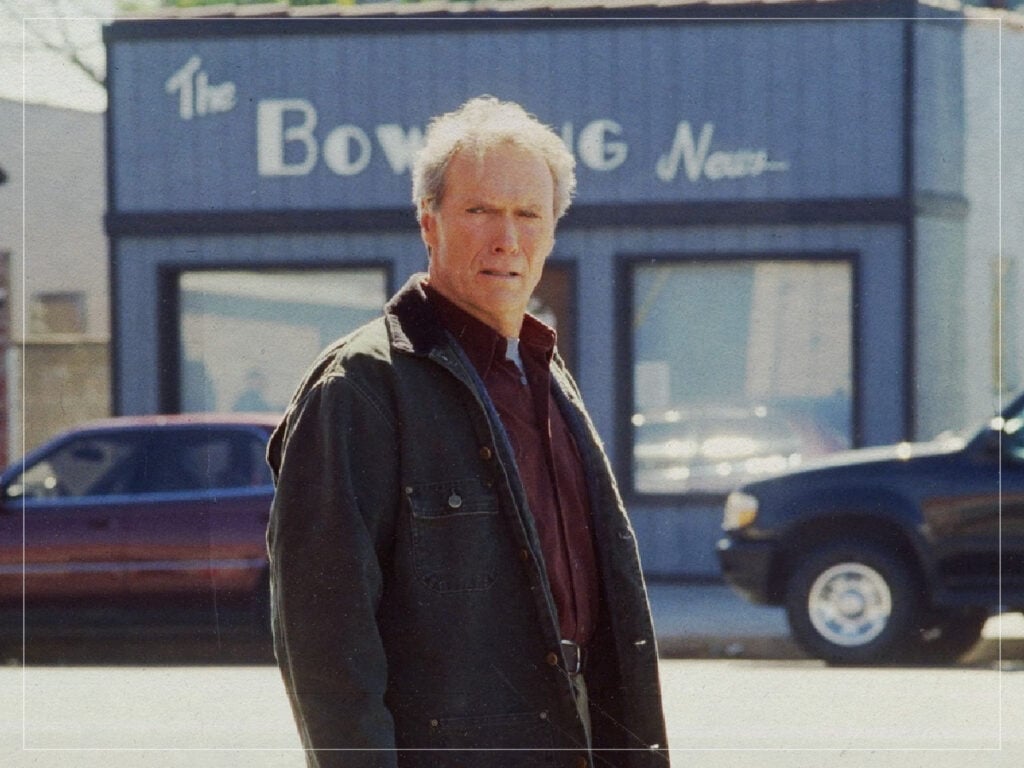
After abandoning the Rocky franchise for 16 years following Rocky V's poor reception, Sylvester Stallone announced his return with Rocky Balboa in 2006. Clint Eastwood publicly expressed bafflement at the decision, suggesting Stallone appeared motivated by financial necessity rather than artistic purpose. Eastwood's criticism reflected his well-established opposition to franchise sequels and his preference for original work over nostalgia-driven projects.
Contrary to Eastwood's assessment, Rocky Balboa emerged as both a critical and commercial triumph. The film generated strong reviews and significant box office returns, successfully rehabilitating Stallone's reputation after years of career stagnation. The outcome suggested Eastwood's principled stance against franchise recycling, whilst consistent with his filmmaking philosophy, was incorrect in evaluating this particular project's merit and potential.
In short
- Clint Eastwood publicly criticized Sylvester Stallone's 2006 return to Rocky after a 16-year gap, dismissing it as a financially motivated career move
- Rocky Balboa exceeded expectations with strong critical reception and box office success, revitalizing Stallone's flagging career
- Eastwood's skepticism toward franchise revivals proved misplaced in this instance
Steelman: both sides, in good faith
The strongest fair case each way — we don't pick a winner.
The case for
Evaluating all sequels as inherently artistically bankrupt ignores that individual projects can possess genuine creative merit, as Rocky Balboa demonstrated through both critical acclaim and commercial success. Rather than categorical rejection, assessing projects by their actual quality, creative intent, and artistic achievement better serves filmmakers and audiences. When financial viability aligns with artistic integrity—as this film shows—dismissing the work on categorical grounds misses real value. Pragmatic, discerning evaluation of which projects warrant creation is more useful than rigid, blanket principles.
The case against
Eastwood's opposition to franchise sequels reflects a serious concern about creative industries drifting toward financial rather than artistic motivation. Resurrecting established characters and properties to generate revenue discourages original storytelling and reduces cinema to a profit-driven enterprise. A principled refusal to participate in such projects—independent of individual outcomes—protects cinema's integrity by establishing that creative work should serve artistic vision, not commercial appetites. Maintaining such standards benefits the industry's long-term health.
Explained simply
In 2006, Sylvester Stallone announced that he would return to the Rocky franchise for the first time in 16 years with a new film called Rocky Balboa. The announcement came after Rocky V, the previous entry in the series, had been poorly received and appeared to have ended the franchise.
Clint Eastwood, a prominent filmmaker known for his strong views on cinema, publicly questioned Stallone's decision. Eastwood suggested that Stallone seemed driven by financial necessity rather than genuine creative vision, and expressed bewilderment at the choice to revive an old franchise rather than pursue original material.
Eastwood's criticism reflected his long-standing belief that filmmakers should focus on creating new stories rather than recycling established franchises. This disagreement touched on broader questions about artistic integrity and the role of nostalgia in modern filmmaking.