New releases, music videos and album news — indie, rap, rock and pop. Always covering Ren, Chris Webby, Sam Tompkins, bbno$, CHINCHILLA, Muse, Yungblud and more.
The humble origins of the American sports “halftime show”
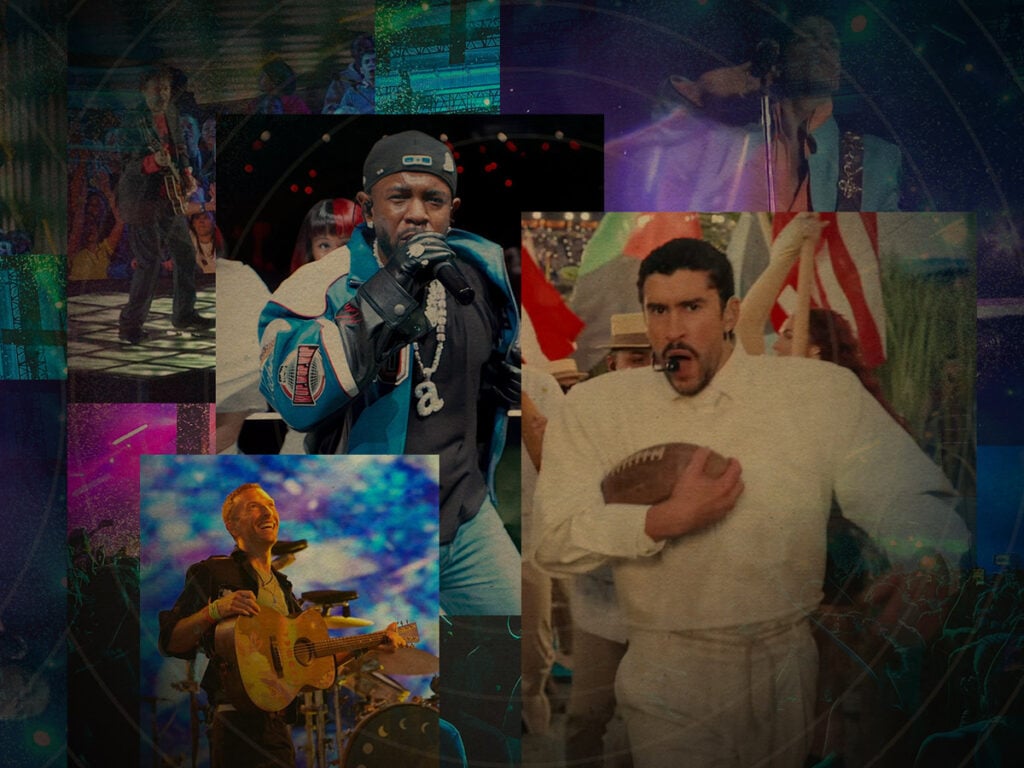
The article traces the American sports halftime show from its modest beginnings to the large-scale entertainment spectacle associated with major events today. It argues that the interval became important because organisers recognised it could hold spectators’ attention, broaden an event’s appeal and create a cultural moment beyond the sporting contest itself.
Early halftime entertainment often involved marching bands, cheerleaders and local performers, particularly at college football games, before professional sport adopted the format more widely. Television transformed its value by bringing performances to mass audiences, while the Super Bowl helped make headline musicians, elaborate staging and commercial sponsorship central to the modern halftime show.
In short
- Halftime shows began as simple live entertainment for sports crowds.
- Television turned them into major cultural events.
- The Super Bowl made halftime performances globally prominent.
Explained simply
The halftime show is the entertainment that takes place during the break in the middle of a sporting event, particularly in American football and other major spectator sports. Organisers developed these intervals of entertainment because they realised that keeping spectators engaged during breaks would hold their attention and broaden the appeal of the event beyond just the sporting contest itself.
The earliest halftime entertainment at American sports events was typically straightforward, featuring local marching bands, cheerleaders and community performers. This format was particularly popular at college football games, before professional sports gradually adopted and expanded the concept.
Television and sponsorship transformed the halftime show into a large-scale spectacle. When matches began to be broadcast to mass audiences, the interval became valuable airtime, and the Super Bowl in particular helped establish the modern formula of headline musicians, elaborate staging and corporate sponsorship that defines halftime shows today.