Politics news and discussion on TalkFuse.
Bernie Sanders dismisses Haley Stevens, says Michigan race is against the ‘billionaire class’
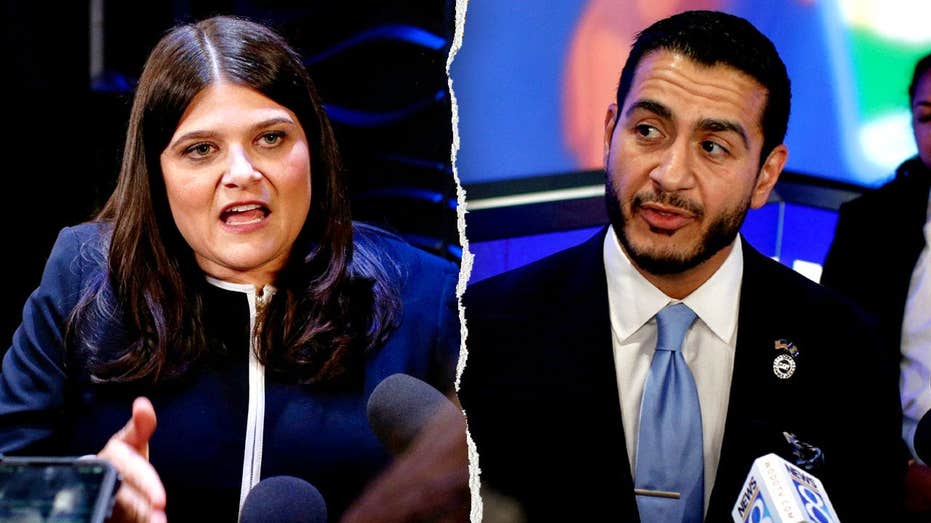
Senator Bernie Sanders campaigned in Detroit on behalf of progressive Senate candidate Abdul El-Sayed, arguing that Michigan's Democratic primary is less a contest against fellow candidate Haley Stevens than a broader fight against wealthy political donors. Sanders framed the race as evidence of moneyed interests trying to shape Democratic primaries, a message consistent with his long-running critique of big-money influence in politics.
Speaking on Saturday, Sanders claimed the "billionaire class" had spent roughly $50 million (about £39 million) to defeat El-Sayed, and questioned why wealthy donors appeared "afraid" of his campaign. The remarks came during a rally as El-Sayed and Stevens vie for the Democratic nomination in Michigan's Senate race.
In short
- Sanders says billionaire donors, not Stevens, are the real opponent for El-Sayed.
- He claims roughly $50 million has been spent to defeat El-Sayed.
- Comments made at a Detroit rally on Saturday.
Steelman: both sides, in good faith
The strongest fair case each way — we don't pick a winner.
The case for
Sanders and his supporters argue that Democratic primaries are legitimately shaped by wealthy donors whose priorities often diverge from working people's interests, and that exposing this structural reality is essential for informed voting. They contend that El-Sayed represents a genuine alternative to donor-dependent politics, and that highlighting the scale of spending arrayed against him reveals how the system operates, making the "billionaire class" framing both accurate and democratically important.
The case against
Critics argue that characterising the race primarily through class conflict rather than between two distinct candidates is reductive and unfair to Stevens, who has her own record and policy platform deserving direct comparison. They acknowledge that concerns about money in politics are legitimate, but contend that Democratic primaries should centre on competing visions and candidates' individual merits, and that framing fellow Democrats as mere proxies for wealthy interests—however imperfectly—risks unnecessary divisiveness within the party and obscures substantive policy differences.
Explained simply
Michigan is holding a Democratic primary to choose its nominee for a US Senate seat. The race features candidate Abdul El-Sayed, whom Bernie Sanders has travelled to campaign for, and fellow contender Haley Stevens. Sanders is using his appearance in Detroit to argue that the primary contest is really about something bigger than the individual candidates.
Sanders has long argued that wealthy donors and big business have too much influence over American politics. In his campaign for El-Sayed, he is applying this critique to the Democratic primary itself, suggesting that wealthy backers are spending heavily to support Stevens and defeat El-Sayed. He cited estimates of roughly $50 million in spending, framing this as evidence of how money shapes Democratic nomination battles.
This reflects a long-running tension within the Democratic Party between those who prioritise limiting the role of major donors in politics and those who rely on traditional fundraising networks. The Michigan Senate race has become a focus for these competing approaches, with Sanders using it to illustrate his broader case about financial influence in electoral politics.