New releases, music videos and album news — indie, rap, rock and pop. Always covering Ren, Chris Webby, Sam Tompkins, bbno$, CHINCHILLA, Muse, Yungblud and more.
The jailbreak of Timothy Leary: the daring escape of counterculture’s acid king
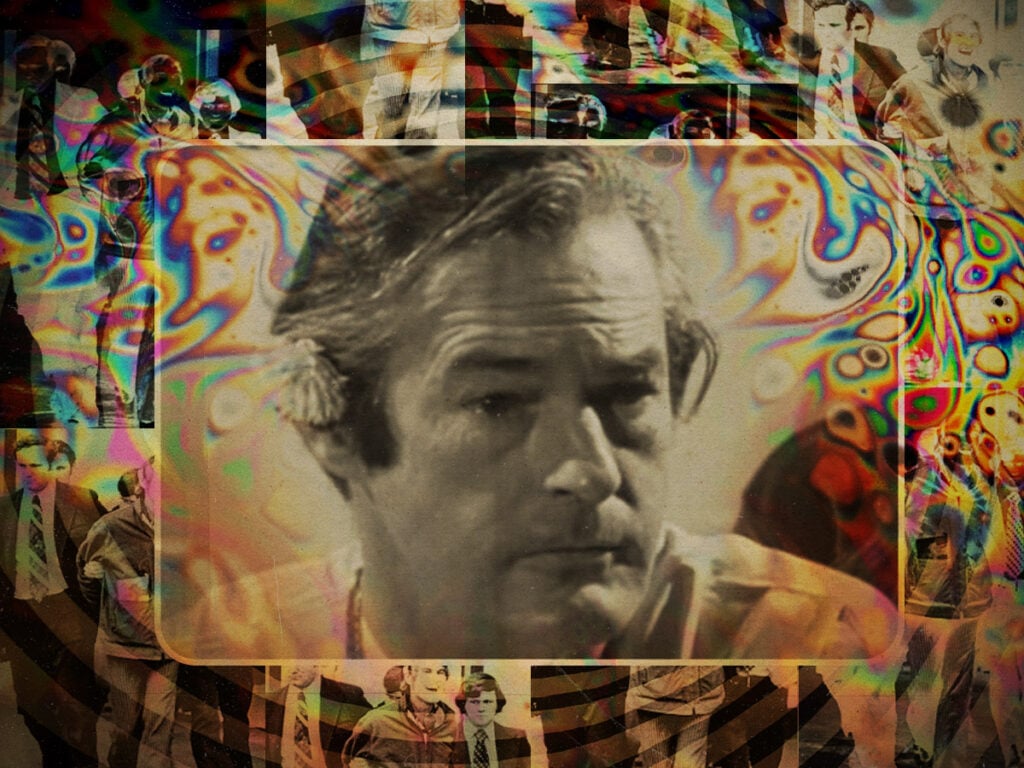
Timothy Leary, the psychologist and LSD advocate often dubbed the counterculture’s “acid king”, became the subject of a dramatic prison escape after his 1970 conviction for marijuana possession. His jailbreak mattered because it turned an already polarising figure into an international symbol of the clash between the US authorities and the 1960s counterculture, while drawing radical activists into his story.
Leary had been sentenced to 10 years in prison, but escaped from the California Men’s Colony at San Luis Obispo with help linked to the Weather Underground, a radical left-wing organisation. He fled abroad with his wife Rosemary, travelling through Algeria and Switzerland before being captured in Afghanistan in 1973 and returned to US custody. The article text provided contains only the headline and navigation material, so these details reflect the established historical account rather than the article’s full reporting.
In short
- Leary escaped prison in 1970 with radical activists’ assistance.
- His flight made him a counterculture symbol.
- He was recaptured in Afghanistan three years later.
Steelman: both sides, in good faith
The strongest fair case each way — we don't pick a winner.
The case for
Supporters of Leary's escape argue that his prosecution exemplified the government's unjust suppression of consciousness research and personal freedom. They contend that marijuana prohibition was fundamentally authoritarian, that his psychological work was valuable and unfairly criminalised, and that his flight represented principled resistance to state overreach. From this perspective, his elevation as a counterculture symbol reflected legitimate concerns about government control and institutional unfairness, making his actions a justified act of civil disobedience against a repressive system.
The case against
Critics maintain that Leary's escape, whatever one's views on drug policy, constituted a violation of law and democratic accountability. They argue that the flight aided by radical activists associated with violence was counterproductive to legitimate reform, that romanticising such actions undermined the legal institutions necessary for democracy, and that celebrating the escape conflated valid critiques of drug policy with lawlessness. From this view, systemic change requires working through proper channels rather than elevating figures who reject legal processes, however imperfect those processes may be.
Explained simply
Timothy Leary was a psychologist who became a prominent figure in the 1960s counterculture, known for his advocacy of LSD and experimentation with hallucinogenic drugs. He was a polarising figure to many Americans, championed by some in the counterculture movement and viewed with suspicion by authorities concerned about drug use.
In 1970, Leary was convicted of marijuana possession and sentenced to ten years in prison. Whilst imprisoned in California, he escaped with assistance linked to the Weather Underground, a radical left-wing activist group, and fled the United States with his wife.
His escape transformed Leary from a controversial academic into an international symbol of the broader conflict between US authorities and the 1960s counterculture. The jailbreak drew radical activists into his story and made his case emblematic of the era's deepest divisions over drugs, authority and social change.