New releases, music videos and album news — indie, rap, rock and pop. Always covering Ren, Chris Webby, Sam Tompkins, bbno$, CHINCHILLA, Muse, Yungblud and more.
‘Smoosh’: How Bob Odenkirk and David Cross parodied Oasis
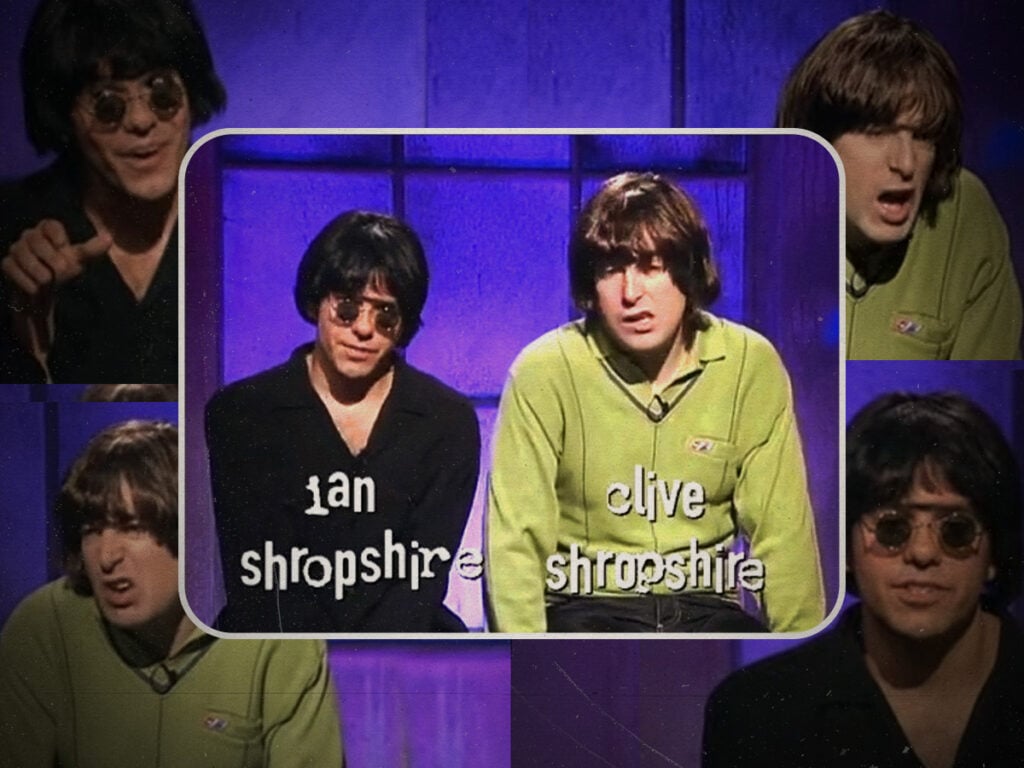
Bob Odenkirk and David Cross’s 1997 Mr Show sketch ‘Smoosh’ parodied Oasis-era British rock stardom through two deliberately aloof fictional brothers. The article argues that the sketch matters because it shows an American, absurdist take on the Gallagher brothers’ public image, focusing less on sibling conflict than on musicians’ disdain for promotion and celebrity.
Aired shortly after Oasis released Be Here Now, the sketch depicts the fictional band Smoosh being interviewed after a triple-platinum album and before a moon concert. Cross and Odenkirk also drew on Radiohead’s perceived grumpiness, creating a composite of 1990s rock-star detachment. Its final twist reveals the interview as group therapy, while a fictional inhaler advertisement resembles modern vaping products.
In short
- Mr Show spoofed Oasis-era rock-star aloofness.
- The sketch combined Oasis and Radiohead influences.
- Its humour targeted promotional discomfort, not sibling feuds.
Explained simply
Bob Odenkirk and David Cross are American comedians who created a sketch on their 1990s television series Mr Show. In a 1997 sketch called "Smoosh", they parodied the behaviour and attitudes of famous British rock bands from that period, particularly Oasis.
Oasis were one of the biggest rock bands of the 1990s, fronted by two brothers whose public rivalry was well known. During the 1990s, many successful British rock musicians presented themselves as detached from the entertainment industry and uninterested in fame, despite their enormous commercial success. This attitude of indifference or cool detachment was a defining characteristic of how these musicians presented themselves to the public.
The "Smoosh" sketch mattered because it offered an American comedy perspective on this aspect of 1990s rock culture. By creating fictional characters based on real bands, Odenkirk and Cross highlighted something genuine about the era: that popular musicians adopted a particular public persona of seeming unimpressed by their own success and the machinery of the entertainment industry.