Entertainment news and discussion on TalkFuse.
“It could hardly have been more in tune with the gothic scene’s aesthetic preferences if it had come with free bat wings”: The pioneering British punk band who embraced the darkness to make a classic 80s goth album
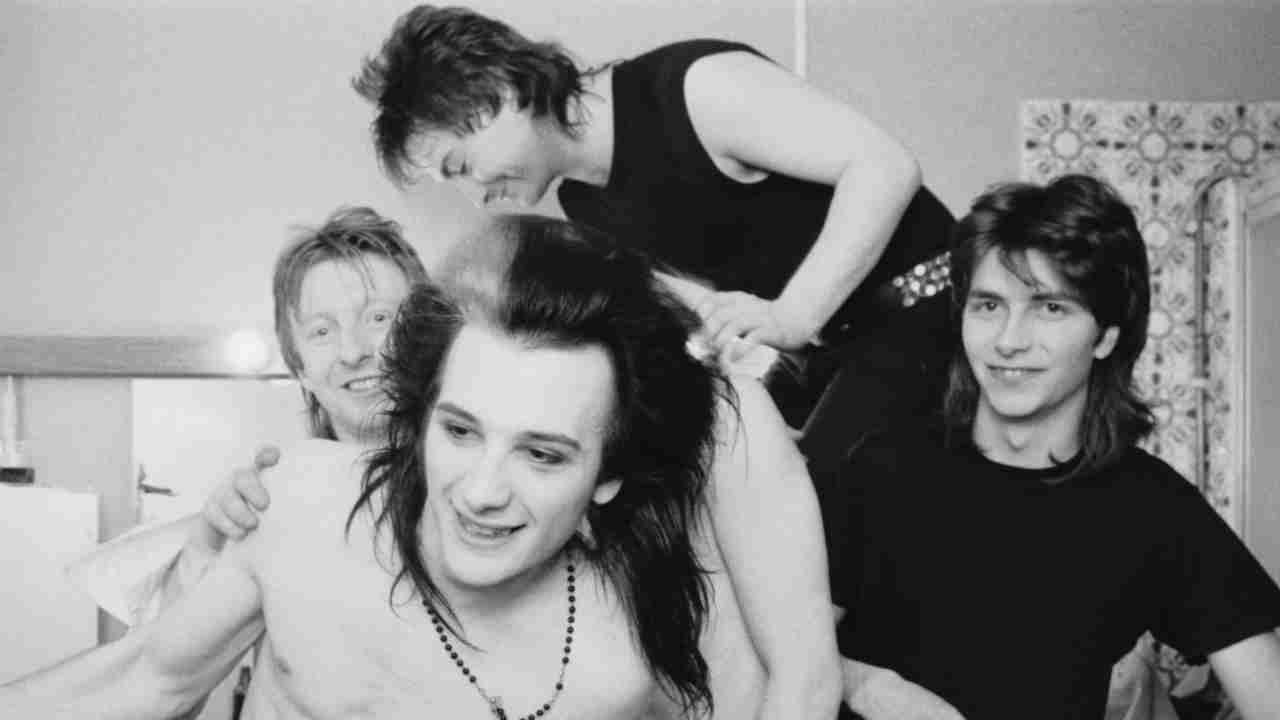
The Damned, often dismissed by the music press as punk rock's goofball clowns, always had a darker, more theatrical streak running beneath their chaotic energy. This tendency eventually crystallised into Phantasmagoria, the 1985 album that saw the band fully embrace gothic rock and become closely associated with the emerging goth scene, cementing frontman Dave Vanian's image as one of the genre's defining figures.
Signs of this darker sensibility were present from the start: the band's 1977 debut, Damned Damned Damned, included tracks such as Fan Club and Feel The Pain, which paired Vanian's rich baritone with a sense of macabre, Hammer Horror-tinged menace beneath the record's raw, Stooges-influenced punk sound. By 1979's Machine Gun Etiquette, that theatrical darkness had deepened further, with songs like These Hands casting Vanian as a sinister, almost circus-like figure, laying the groundwork for the band's full turn towards gothic imagery and sound on Phantasmagoria.
In short
- The Damned blended punk with dark, theatrical menace from their 1977 debut onward.
- Frontman Dave Vanian's gothic persona developed steadily through the late 1970s.
- This evolution culminated in 1985's goth landmark album, Phantasmagoria.
Explained simply
The Damned are a pioneering British punk band who formed in the mid-1970s. Originally dismissed by the music press as punk rock's clowns, the band always possessed a darker, more theatrical quality that set them apart from their contemporaries. Frontman Dave Vanian's rich baritone voice and interest in gothic imagery hinted at artistic interests beyond straightforward punk rock.
From their first album in 1977 through Machine Gun Etiquette in 1979, The Damned gradually incorporated more gothic and theatrical elements into their sound. Their records paired raw punk energy with macabre, horror-influenced imagery, positioning Vanian as a menacing, theatrical presence rather than a typical punk frontman.
By the mid-1980s, the band had moved fully towards gothic rock, eventually becoming central figures in the emerging goth scene of the decade. This artistic evolution saw them embrace the darker, theatrical sensibilities that had always lurked beneath their punk origins, creating a distinctive place for themselves within 1980s rock music.