Culture news and discussion on TalkFuse.
Forbidden Solitaire is a wonderful reminder games are powerful cultural artefacts that demand to be preserved
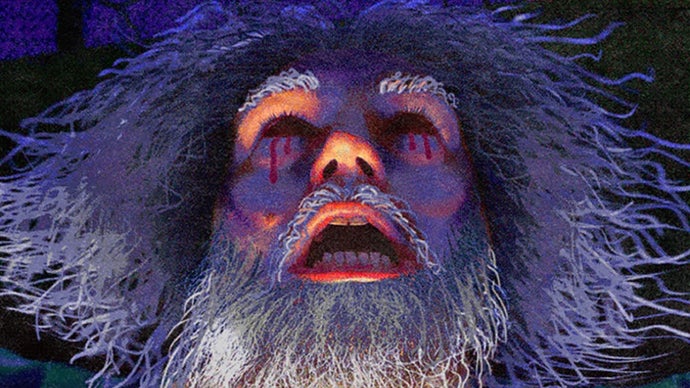
Forbidden Solitaire is a newly released game from Night Signal Entertainment (creator of Home Safety Hotline) and Dorset-based Grey Alien Games, presented as a pastiche of 1990s CD-ROM horror titles. The article, an opinion piece for Eurogamer, argues the game is a striking example of how deeply video games as physical and cultural artefacts from earlier eras evoke genuine nostalgia, and why that history deserves careful preservation.
The game is styled as a "lost" 90s release from a fictional studio, complete with a lurid FMV intro, pre-rendered-polygon aesthetics and an invented backstory involving media controversy and mysterious disappearance. Beneath the pastiche, it delivers a fully functional and inventive take on solitaire, in which players clear card tableaux to progress through a linear fantasy narrative, encountering evolving mechanics such as damage-dealing "maggot-infested" cards, "bone-locked" cards requiring repeated plays, and suit-based "chained" cards.
In short
- Forbidden Solitaire mimics 90s CD-ROM horror games as loving pastiche.
- Made by Night Signal Entertainment and Grey Alien Games.
- Combines found-footage horror style with inventive solitaire mechanics.
Explained simply
Forbidden Solitaire is a newly released video game created by Night Signal Entertainment and Grey Alien Games that mimics the style and presentation of computer games from the 1990s. The game combines solitaire—a card game typically played with a standard deck—with an unfolding fantasy story and distinctive visual styling from that era.
As players progress through the game, they encounter specially designed cards with different effects—such as cards that deal damage or require multiple plays—which tie the solitaire mechanics to the narrative. The game is intentionally presented as a lost release from a fictional 1990s studio, complete with elaborate video introductions and graphics typical of that period.
Commentary around the game frames video games as cultural artefacts worthy of preservation alongside other forms of media. The argument is that older games deserve careful documentation and preservation because they evoke genuine nostalgia and carry cultural significance from their era, meriting the same historical attention given to films, music, or books from earlier decades.