Culture news and discussion on TalkFuse.
Poll: Box Art Brawl – Duel: Digimon World 4 (GameCube)
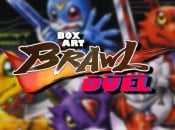
Nintendo Life's regular "Box Art Brawl" feature pits regional box art designs against each other, with this edition focused on the 2005 GameCube title Digimon World 4. The comparison was timed to coincide with the recent release of Digimon Story: Time Stranger on Switch and Switch 2, prompting a look back at an earlier, less well-received entry in the franchise known for its repetitive hack-and-slash gameplay, a departure from the series' usual RPG style.
Both the North America/Europe cover (which share a design) and the Japanese cover feature the same four starter Digimon: Dorumon, Veemon, Guilmon and Agumon. The Western version shows them in a polygonal action pose, though the models, particularly Dorumon, look somewhat inaccurate, while the Japanese design uses a more stylised, abstract background with greater atmosphere. Readers voted decisively for Japan's artwork, which won 85% of the 147 votes cast, against 15% for the North America/Europe design.
In short
- Nintendo Life's Box Art Brawl compared Digimon World 4 GameCube covers.
- Japan's stylised design beat the Western polygonal cover.
- Japan won 85% of 147 votes cast.
Explained simply
Nintendo Life regularly publishes a feature called Box Art Brawl that invites readers to compare how the same video game's cover art looks across different regions. This edition examines Digimon World 4, a GameCube game released in 2005 that departed from the Digimon franchise's usual approach by focusing on action-based gameplay rather than the series' typical role-playing format.
The game is less fondly remembered than many other entries in the series, and the feature was published around the time of a new Digimon release on Nintendo Switch. Both the Western and Japanese box art versions feature the same four Digimon characters but present them using quite different artistic styles.
The North American and European covers share an identical design showing the characters in action poses as three-dimensional models, whilst the Japanese cover uses a more stylised, atmospheric aesthetic. The comparison highlights how publishers often make distinct choices about visual presentation when marketing the same game to different regional audiences.
Art Culture Entertainment Gaming