Technology news and discussion on TalkFuse.
Amsterdam activists throw acid at Microsoft datacenter project
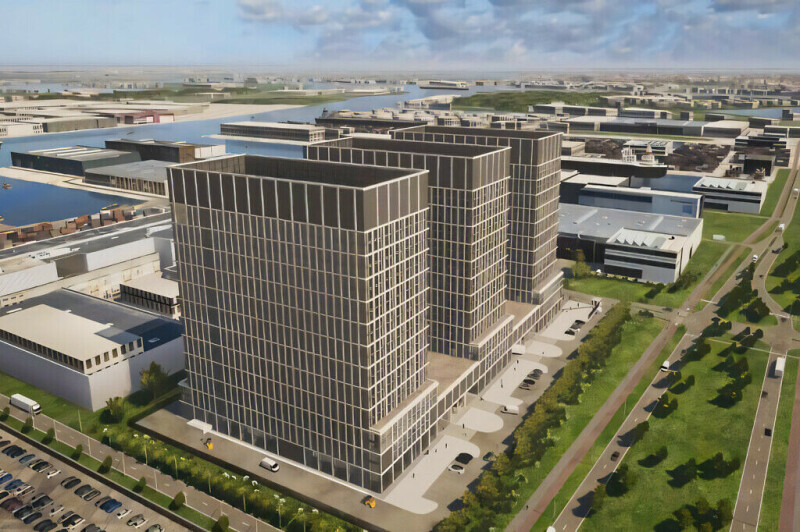
Extinction Rebellion’s Dutch branch said it targeted a datacentre under construction in Amsterdam by throwing balloons containing an acidic mixture at its foundations. The group said the action was intended to damage concrete and speed corrosion in steel reinforcement, protesting the environmental impact of AI infrastructure and alleging wider social harms; the incident highlights escalating opposition to energy-intensive datacentre developments.
The facility is being developed by UK-based Pure Data Centres Group and is reportedly intended solely for Microsoft, although the company has not publicly named its tenant. It is planned as three 85-metre towers with 26MW of data halls each, totalling 78MW; Pure DC said construction was unaffected and it plans legal action, while Dutch media reported that Extinction Rebellion may target other projects.
In short
- Activists claimed an acidic-balloon attack on an Amsterdam datacentre construction site.
- The planned site would provide 78MW of capacity and is reportedly for Microsoft.
- Developer Pure DC said the incident did not disrupt construction.
Steelman: both sides, in good faith
The strongest fair case each way — we don't pick a winner.
The case for
Supporters of the protest argue that datacentres serving AI can consume substantial electricity and resources, while their wider social effects deserve public scrutiny. They may see disruptive direct action as a way to draw attention to environmental costs and press developers and authorities to provide stronger safeguards and accountability.
The case against
Critics argue that deliberately trying to damage a construction site is unsafe and unlawful, and can undermine legitimate debate about datacentre impacts. They may also point out that infrastructure supports digital services and investment, so concerns about energy use and social effects should be addressed through regulation and public consultation rather than property damage.
Explained simply
Large datacentres are vast facilities housing computer servers that process and store data for companies and services. Microsoft and other technology firms have rapidly expanded datacentres to support artificial intelligence systems, which require enormous computing power and electricity. Environmental groups have grown concerned about the energy consumption and carbon emissions associated with such infrastructure.
Extinction Rebellion is an international protest movement that uses direct action and civil disobedience to highlight climate and environmental issues. The Dutch branch has actively opposed major datacentre developments, including the Amsterdam project, arguing that the environmental costs outweigh benefits. The group is part of a broader movement of local communities and environmental organisations resisting the rapid expansion of datacentre infrastructure.
These conflicts reflect a wider debate about the environmental impact of artificial intelligence and whether technology companies are taking sufficient responsibility for energy use. As datacentre development accelerates to support AI growth, environmental groups and communities have increasingly campaigned to block or delay such projects. This pattern of escalating protest against infrastructure development has become common in many countries.