Supreme Court showdown looms over St Michael statue blocked from public safety building
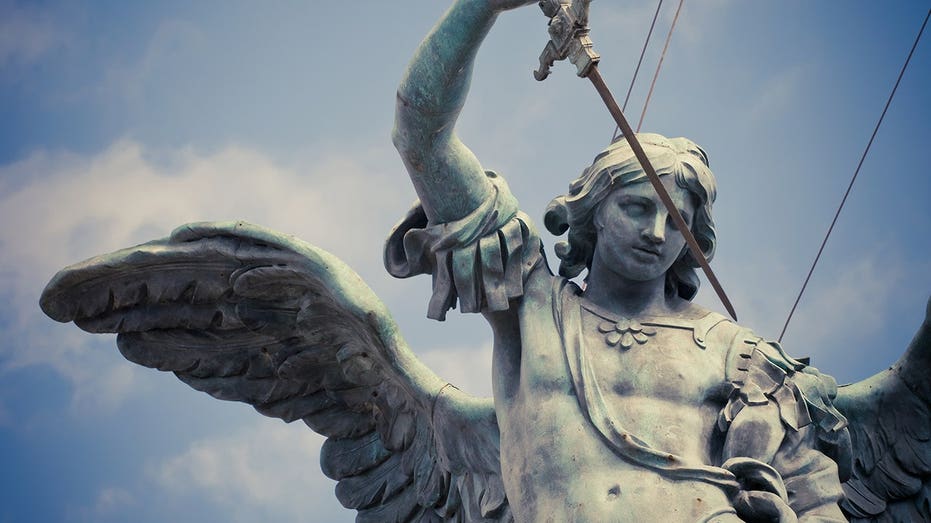
A legal dispute in Quincy, Massachusetts, over plans to install statues of St Michael and St Florian outside a public safety building appears to be heading towards the US Supreme Court. The statues, intended to honour police officers and firefighters, have been blocked amid objections that as religious figures they are inappropriate for placement on government property, prompting a wider debate about the separation of church and state versus the depiction of religious imagery in civic art.
An attorney for the Becket Foundation, a religious liberty legal group, has defended the statues to Fox News Digital, arguing that opposition to the memorials misrepresents America's long-standing tradition of honouring public service through art and shared symbolism. St Michael is traditionally regarded as the patron saint of police officers, while St Florian is associated with firefighters, and such statues have historically featured at public safety buildings elsewhere in the United States. Full details of the legal proceedings and timeline for a potential Supreme Court hearing were not specified in the available report.
- Quincy, Massachusetts statues of St Michael and St Florian face legal challenge.
- Case over religious imagery on public property may reach Supreme Court.
- Becket Foundation attorney says statues reflect tradition of honouring public service.
Both sides, in good faith
The strongest fair case each way — we don't pick a winner.
The case for
Supporters argue the statues of St Michael and St Florian, traditionally invoked as patrons of police officers and firefighters respectively, honour the courage and sacrifice of public safety workers rather than promote religious doctrine, and that similar imagery appears throughout public life without threatening anyone's freedom of conscience. They see the ACLU challenge as an overreach that treats any acknowledgement of religious heritage as a constitutional violation, and worry that removing such tributes erases longstanding traditions valued by many first responders and their families. For them, the case is about preserving community customs and respecting the beliefs of those who serve, not about establishing a state religion.
The case against
Opponents contend that placing explicitly religious statues outside a government building funded by all taxpayers, regardless of faith, risks the state appearing to endorse one religion over others or over no religion at all. They argue that public safety agencies serve a religiously diverse population, including non-Christians and non-believers, and that symbols with such clear religious content do not belong on government property no matter how well-intentioned the tribute. For them, the case upholds the constitutional principle of church-state separation and ensures that all citizens, whatever their beliefs, feel equally represented by the institutions meant to protect them.