Culture news and discussion on TalkFuse.
From coffee grounds to guinea pig bedding – the composters keeping it local
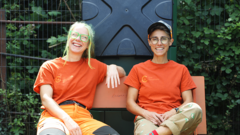
A husband-and-wife-style business partnership in Machynlleth, Powys, has built an award-winning community composting scheme that turns food waste and other organic scraps into locally used, peat-free compost. Steph Robinson and ffin Jordao, who met at the Centre for Alternative Technology, run Criw Compostio, collecting waste from paying cafes and businesses and returning the finished compost to local growers, keeping the entire resource loop within the community rather than selling it commercially.
Criw Compostio collects food waste, wood shavings and used rabbit and guinea pig bedding twice a week, processing it at a nearby site using specialised "hot, rat-proof hyper composters" that deter pests. The process takes about a year to produce compost, which recently won a quality award, and is offered on a "pay what you feel" basis to local growers who sell produce at Machynlleth markets and to nearby shops and restaurants. The venture grew from a 2022 Shared Prosperity Fund grant and now also runs a composting school to help other communities replicate the model, amid what the founders say is rising interest in home growing driven by the cost of living crisis.
In short
- Machynlleth pair turn food waste into award-winning local compost
- Criw Compostio collects from cafes, keeps compost within the community
- Cost of living crisis has boosted demand for allotments and home growing
Explained simply
Composting is a way to turn food waste and other organic scraps into soil-improving compost. Criw Compostio runs a community composting scheme in Machynlleth, Powys, that processes this waste locally and returns the finished compost to nearby growers, keeping the entire resource loop within the community rather than selling it commercially.
The scheme is run by Steph Robinson and ffin Jordao, who collect waste including food scraps and used bedding from local cafes and businesses twice a week. They process it using specially designed composters that take roughly a year to produce finished compost, which they offer to local growers on a "pay what you feel" basis.
Growing your own food has become increasingly important to people concerned about living costs and food security. The founders are now teaching other communities how to set up similar local composting schemes, hoping to spread the model beyond Machynlleth.