World news and discussion on TalkFuse.
California Pizza Kitchen founder says California has become too difficult for entrepreneurs
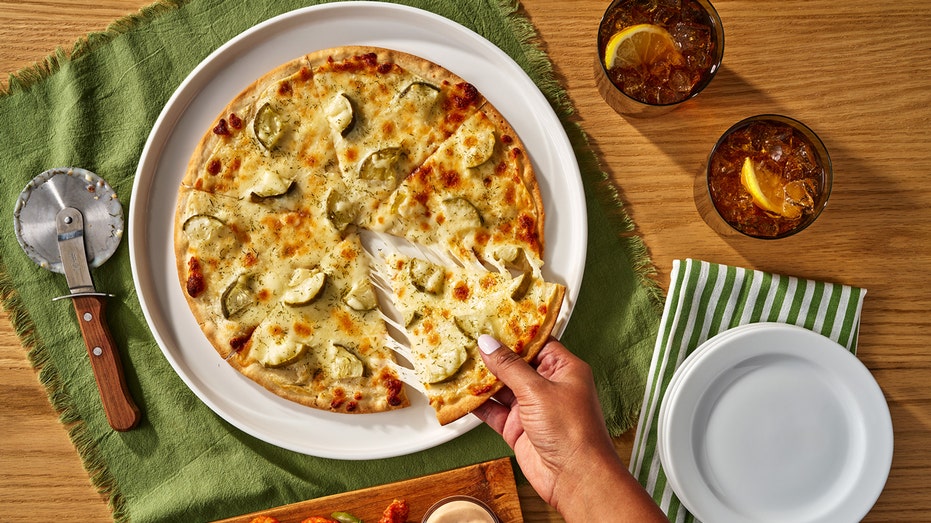
The co-founder of California Pizza Kitchen has said the state has become too difficult for entrepreneurs, indicating he would choose to open a new restaurant in Florida rather than California today. His comments add a prominent business voice to an ongoing narrative about companies and wealthy individuals relocating away from California, framed as a response to the state's regulatory and tax environment under Democratic leadership.
The remarks align with commentary from Florida Governor Ron DeSantis, who has pointed to his state's lack of income tax and business-friendly policies as reasons it has become a magnet for wealth, companies and tech founders, contrasting this with what he called the "destructive policies" of states such as California. The article situates the founder's comments within a broader Fox News narrative on wealth and business migration from high-tax, Democratic-led states to Florida.
In short
- CPK co-founder says he'd open in Florida, not California, today
- Cites California's difficult environment for entrepreneurs
- DeSantis touts Florida's no-income-tax policy as a draw
Steelman: both sides, in good faith
The strongest fair case each way — we don't pick a winner.
The case for
Advocates for lighter regulation argue that Rosenfield's experience reflects a real and measurable trend: California's high minimum wage, extensive labour protections, complex permitting processes and elevated corporate taxes raise the cost and risk of running a business, particularly for restaurants and other low-margin, labour-intensive sectors. They contend that when experienced entrepreneurs who built successful companies say they would choose to invest elsewhere today, policymakers should take that as a meaningful signal that the state's regulatory and cost environment is discouraging job-creating investment, and that easing these burdens would help California retain and attract entrepreneurial talent.
The case against
Those who defend California's approach argue that higher wages, stronger labour protections and more robust regulation exist precisely because they safeguard workers, consumers and the environment in ways that lower-regulation states often do not, and that these safeguards are compatible with substantial business success, as evidenced by California's status as one of the world's largest and most innovative economies. They would note that a single founder's preference is one anecdote rather than proof of a broader exodus, that California continues to attract enormous entrepreneurial investment despite its costs, and that comparing headline costs alone overlooks the value of the state's infrastructure, market size, workforce and quality of life for both businesses and employees.
Explained simply
California Pizza Kitchen is a restaurant chain founded in Los Angeles in the 1980s that became a significant success in the United States. Its co-founder has made public comments suggesting that California's business environment has become too challenging for entrepreneurs, and that he would prefer to open a new restaurant in Florida today.
There is an ongoing debate in the US about whether high-tax states with extensive regulation, particularly California under Democratic leadership, are driving businesses and wealthy individuals to relocate to lower-tax states like Florida. Florida's governor has actively promoted his state as an alternative, highlighting the absence of income tax and business-friendly policies. This is part of a broader political narrative comparing the economic policies of Democratic and Republican-led states.
The co-founder's comments add weight to claims about business migration patterns, though such relocations are shaped by multiple factors beyond tax and regulatory policy. His public remarks have become newsworthy partly because he represents an established, respected business figure offering his perspective on state competitiveness and entrepreneurial conditions.