Entertainment news and discussion on TalkFuse.
The musical master Robert Plant knew no one could resist: “Everybody goes back and has some more”
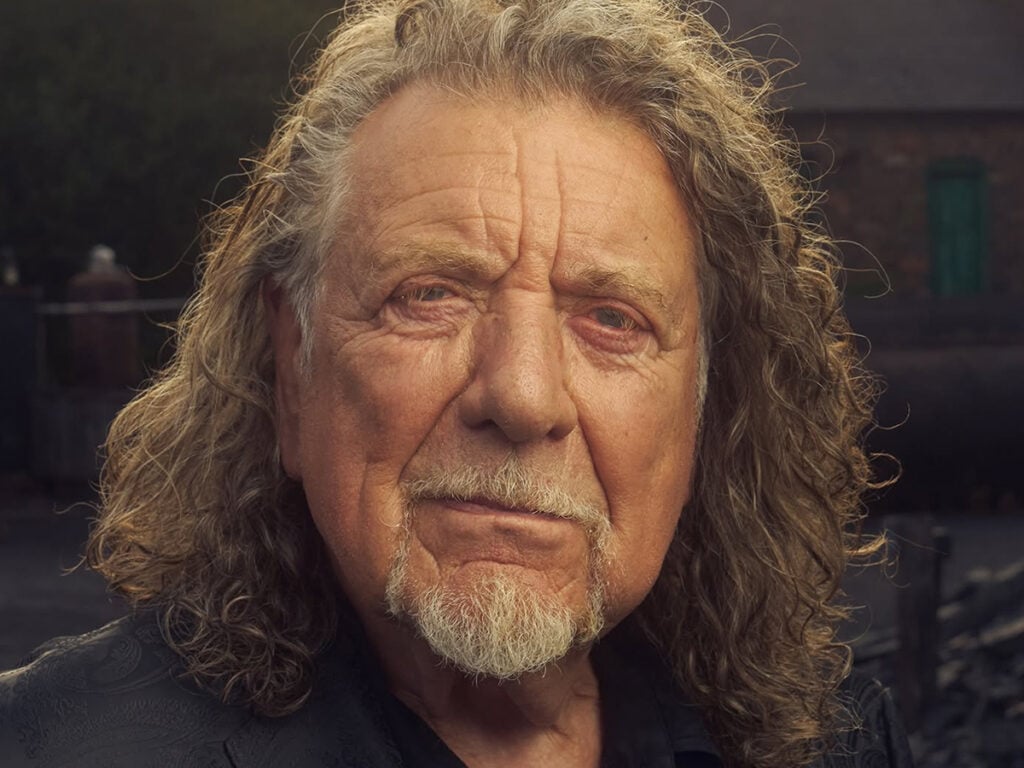
Robert Plant described Bob Dylan as the musician who best defies audience expectations, arguing that listeners repeatedly return even after complaining about his changing performances. The article uses Plant’s remarks to highlight his own refusal to be confined by Led Zeppelin’s legacy and his belief that artists should remain free to experiment.
Speaking in a 2014 interview, Plant said Dylan had spent roughly 45 years avoiding being tied to one fixed body of work. He linked this to his own career after Led Zeppelin, including collaborations across different styles, and said the freedom to fail had been central to his later musical life.
In short
- Plant praised Dylan’s enduring unpredictability.
- He rejected pressure to repeat Led Zeppelin.
- Experimentation defined his later career.
Steelman: both sides, in good faith
The strongest fair case each way — we don't pick a winner.
The case for
Artists must retain creative freedom to evolve and experiment rather than become imprisoned by past success. Audiences who genuinely respect their favourite musicians appreciate growth and willingness to take risks; constantly performing the same work risks rendering an artist a museum piece. The freedom to fail and reinvent is essential to artistic integrity, and Plant and Dylan demonstrate that listeners do return to artists who refuse to be confined by expectations, valuing the vitality that comes from real creative ambition.
The case against
Audiences invest emotionally in an artist's most significant work and have legitimate expectations grounded in that connection. Artists benefit from a measure of responsibility to the legacy and fanbase that sustained their careers; there is artistic value in mastering and deepening a signature style rather than constant reinvention. Fans deserve some consistency in the artist-audience relationship, and the freedom to experiment need not require wholesale abandonment of the work that made an artist meaningful to millions in the first place.
Explained simply
Robert Plant is the former lead singer of Led Zeppelin, one of the most influential rock bands of the 1970s. This article explores his philosophy about artistic freedom and why musicians should evolve beyond their most celebrated work.
Plant has long argued that artists should not remain constrained by their greatest hits or early successes. He points to Bob Dylan as an exemplary figure who has constantly changed his sound and performances throughout his career, frequently surprising audiences yet remaining artistically vital across decades.
This reflects Plant's own career path following Led Zeppelin's split, when he pursued diverse musical collaborations rather than repeatedly revisiting the band's catalogue. The comparison illustrates a broader tension in rock music between preserving legacy and pursuing new creative directions.