Weird & Viral news and discussion on TalkFuse.
Archaeologists make unusual find near site where Ark of the Covenant was once kept
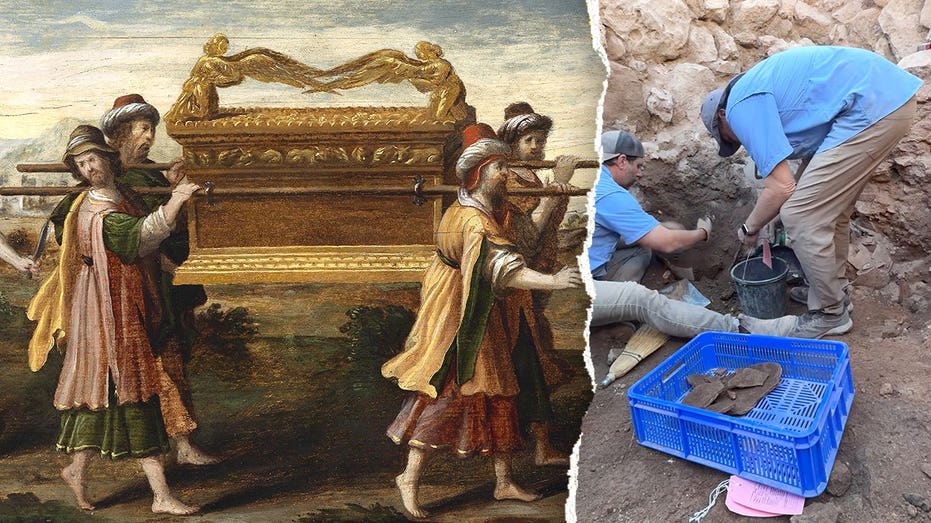
Archaeologists excavating Tel Shiloh, a site in the West Bank traditionally identified as the biblical Shiloh, have uncovered ancient storage jars containing preserved olives and lentils. Shiloh holds religious significance as the location where the Bible says the Ark of the Covenant was kept for centuries before it was captured by the Philistines, making any find at the site notable to biblical archaeologists and historians of the region.
The food remains were found beneath an Israelite-period ritual deposit and next to an ancient Canaanite fortification wall, suggesting the items date back many centuries. Researchers see the discovery as offering fresh insight into the site's ancient food storage practices and its long history of habitation and ritual use.
In short
- Ancient olive and lentil remains found at Tel Shiloh in the West Bank.
- Site is traditionally linked to the biblical Ark of the Covenant.
- Finds lay beneath a ritual deposit near a Canaanite wall.
Explained simply
Tel Shiloh is an ancient archaeological site in the West Bank that holds deep religious significance for Jews and Christians. The Bible describes it as the location where the Ark of the Covenant, a sacred chest of great importance, was kept for several hundred years. Because of this historical and spiritual importance, excavations at Shiloh draw attention from archaeologists and religious scholars around the world.
The site has been continuously inhabited and used for religious purposes across many different time periods. Archaeologists who dig there are trying to understand how people lived in this region thousands of years ago, what they ate, how they worshipped, and how societies developed over time. Each archaeological discovery provides clues that help fill in gaps in our understanding of ancient history.
Preserved food remains and other household items discovered at such sites reveal how ancient communities actually functioned day to day. These discoveries complement written historical records by showing the practical details of ancient life. By studying the physical evidence that survives from centuries past, archaeologists can construct a more complete and accurate picture of how people lived in the ancient world.