Entertainment news and discussion on TalkFuse.
‘Game of Thrones’ Best Character Deserved a Better Ending
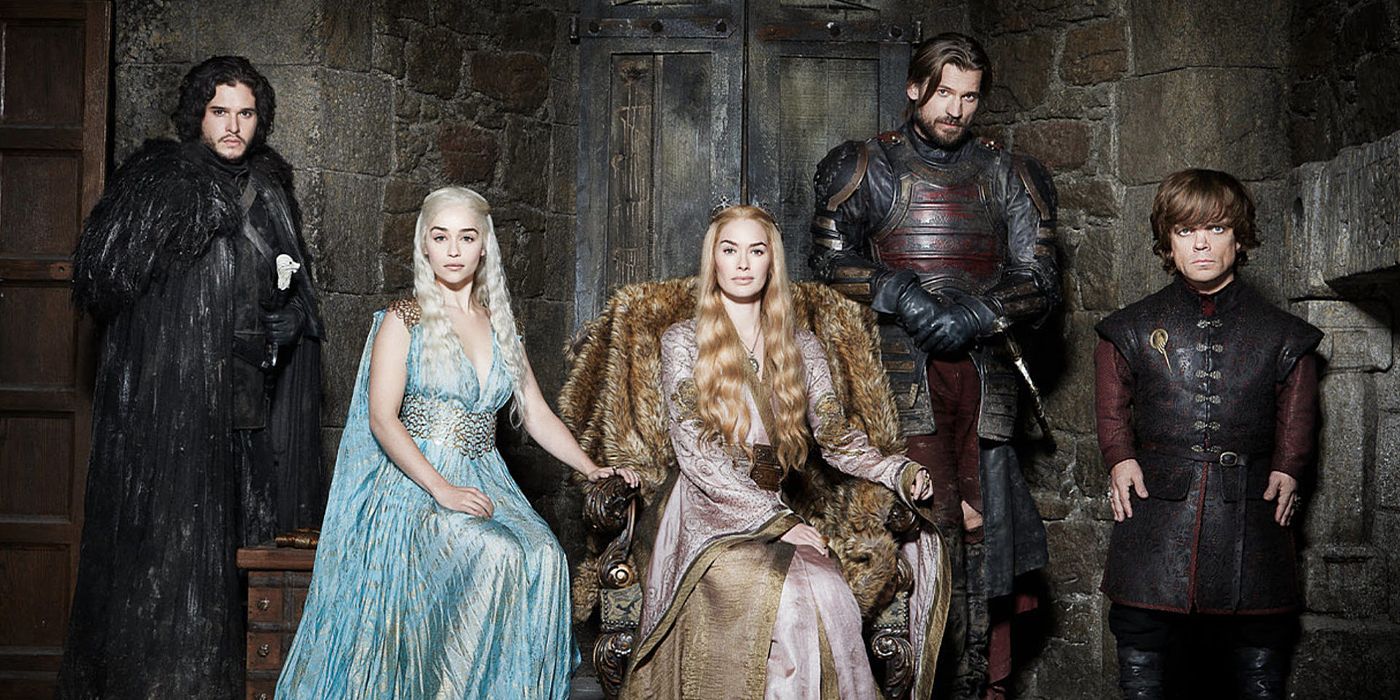
An opinion piece on Collider argues that Jaime Lannister, played by Nikolaj Coster-Waldau across all eight seasons of Game of Thrones, was the show's best character but was let down by his ending in the finale. The writer contends that Jaime's journey from an arrogant, incestuous "villain" figure in the first episode to one of television's most compelling redemption arcs was undone by the way the series concluded his story, disappointing fans who had invested in his development.
The article traces Jaime's transformation, noting he began as someone willing to do anything for House Lannister, including pushing a child from a tower window, but evolved significantly after meeting Brienne of Tarth (Gwendoline Christie) and travelling with her to King's Landing. The piece frames this growth as some of the strongest character work in the series, making the finale's treatment of him feel like a betrayal of that development, a criticism that echoes wider fan and critical disappointment with how Game of Thrones concluded overall.
In short
- Collider opinion piece says Jaime Lannister deserved a better finale
- His arc grew from villain to redemption via Brienne of Tarth
- Writer says the ending undercut his character development
Steelman: both sides, in good faith
The strongest fair case each way — we don't pick a winner.
The case for
Those who believe Jaime deserved a better ending argue that the show spent eight seasons constructing one of television's finest redemption arcs, only to abandon it in the finale by having him return to Cersei and die with her. They contend this ending negates years of meaningful development, particularly his transformation through his relationship with Brienne, leaving viewers feeling their emotional investment was betrayed. For these critics, compelling storytelling requires conclusions that honour a character's established journey rather than reversing it.
The case against
Those defending the finale's treatment argue that Jaime's ending reflects a more complex, tragic truth about human nature—that redemption is incomplete and vulnerable to the pull of old attachments and love. They suggest his return to Cersei doesn't erase his growth but rather demonstrates how complicated people are, capable of moral development yet subject to powerful emotional forces. This perspective values thematic ambiguity and realism over neat narrative closure, arguing that flawed, messy endings sometimes better capture the human condition than satisfying character arcs.
Explained simply
Game of Thrones was one of television's most popular fantasy dramas that ran for eight seasons from 2011 to 2019. Jaime Lannister was a central character throughout, played by Nikolaj Coster-Waldau, who began as a seemingly villainous figure willing to commit terrible acts for his family's benefit.
Over eight seasons, Jaime underwent significant character transformation, evolving from that morally compromised starting point towards redemption and personal growth. Much of this development stemmed from his relationship with Brienne of Tarth and his travels across the fictional realm of Westeros.
Game of Thrones' final season proved controversial amongst viewers and critics over how character storylines concluded. An article argues that Jaime's ending was particularly unsatisfying because it undermined the extensive character development that accumulated over the previous seven seasons.