World news and discussion on TalkFuse.
Trump’s election integrity speech: 7 takeaways every American should know
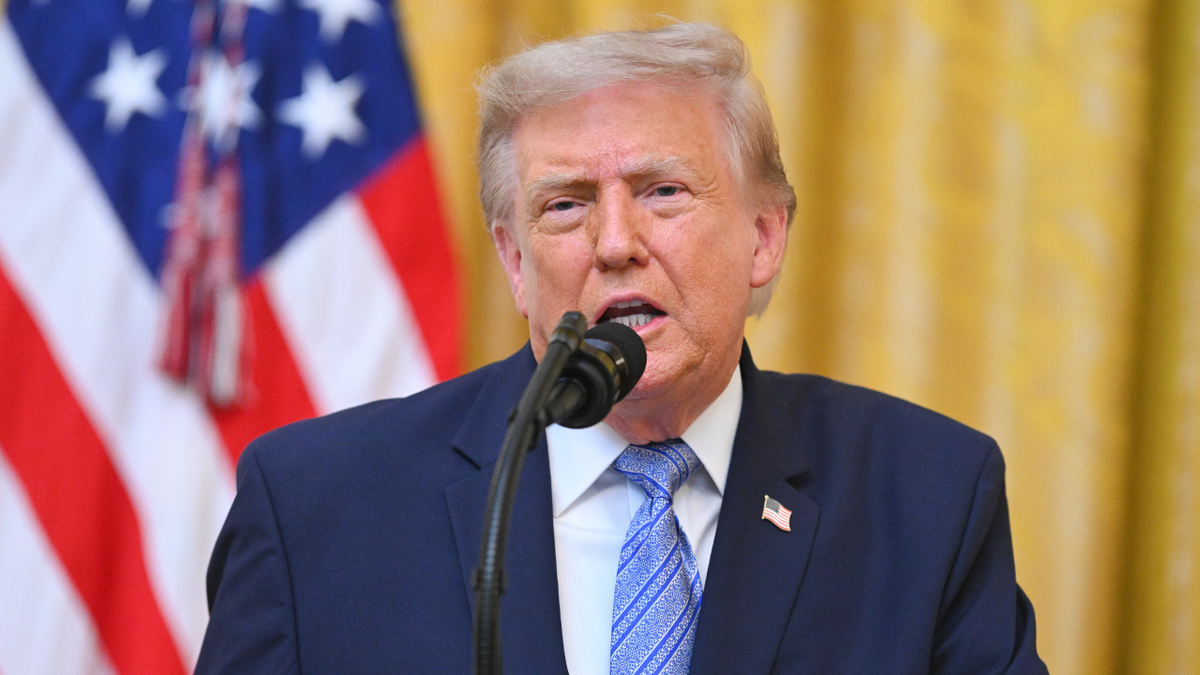
In a primetime White House address on 16 July, President Donald Trump outlined what he described as serious vulnerabilities in the United States' election system, framing secure and fair elections as an issue that should transcend party lines. The speech, delivered as part of a broader push on election integrity ahead of the 2026 midterms, included the release of Department of Homeland Security findings on non-citizens registered to vote, though Democratic critics have disputed the evidence and conclusions Trump presented.
The article, a Fox News opinion piece, distils the address into seven key takeaways about weaknesses in the electoral process, though the specific points beyond the DHS investigation into non-citizen voter registration were not detailed in the available text. Trump also alleged that intelligence community figures had "bragged about hiding" Chinese interference in elections, a claim he says underscores the need for reform. The piece frames the debate as one where election security should unite Americans regardless of political affiliation, while acknowledging the issue remains contentious between the two parties.
In short
- Trump gave a primetime speech alleging major US election system vulnerabilities.
- DHS findings on non-citizen voter registration were released alongside the address.
- Trump claims intelligence officials concealed Chinese election interference.
Steelman: both sides, in good faith
The strongest fair case each way — we don't pick a winner.
The case for
The case for prioritising election integrity rests on the principle that elections must be beyond reproach to maintain public confidence in democratic institutions. Even if fraud is rare, any non-citizen voting or system vulnerabilities represent gaps in protecting the one-person-one-vote principle. Advocates argue that securing voter rolls and investigating alleged vulnerabilities—through non-citizen verification, observer protocols, and addressing foreign interference claims—strengthens democracy, and this work should transcend partisan lines to protect elections that all Americans rely upon.
The case against
Those sceptical of framing election integrity as an urgent crisis point to research showing election fraud is extraordinarily rare and doesn't affect outcomes, yet historical attempts to address fraud have led to voting restrictions affecting participation. They argue that election officials already work seriously on security across party lines, and that claims about non-citizen voting should face independent verification before driving major reform, particularly where the scale of the problem is contested. This perspective holds that legitimate security and public confidence in elections are best served by careful, measured responses rather than treating identified vulnerabilities as systemic threats requiring emergency action.
Explained simply
President Trump delivered a televised address at the White House on 16 July, discussing what he characterised as significant weaknesses in America's election system. The speech was framed as calling for bipartisan commitment to election integrity, presented as an issue that should unite people across party lines. The timing coincided with a broader push by the White House on election security ahead of the 2026 midterm elections.
The Department of Homeland Security released findings as part of the address, focusing on non-citizens registered to vote. Democrats have disputed both the evidence presented and the conclusions drawn from the investigation. Trump also alleged that members of the intelligence community had concealed Chinese interference in past elections, claiming this demonstrated the need for electoral reforms.
Election security remains a divisive issue between America's two main political parties, with disagreement over both the scale of vulnerabilities and the best solutions. The White House is attempting to reframe the debate as one where both sides should prioritise fair and secure elections. The issue carries particular weight heading into the midterms, when control of Congress will be determined.
Asia Cybersecurity Elections Government Politics Technology World