Video games news, releases, esports and culture — all the biggest gaming stories in one place.
Matt Damon’s forgotten fantasy blockbuster deserves another look before The Odyssey
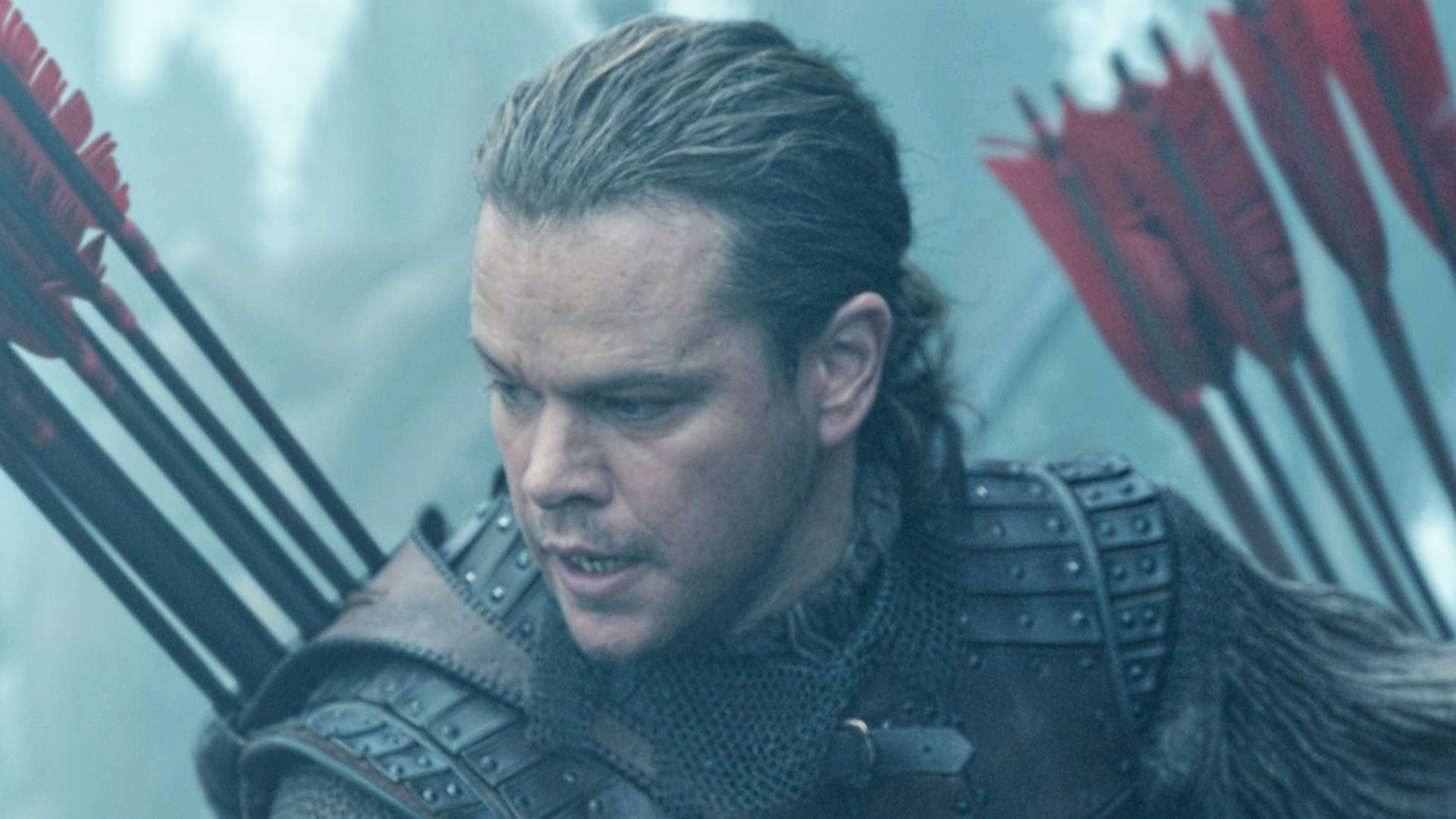
The Great Wall, a $150 million fantasy epic directed by Zhang Yimou and released in 2016, tells the story of European mercenaries who discover themselves caught in a centuries-old conflict against monstrous alien creatures defending China's famous defensive structure. When the film arrived, much of the conversation centred on its significance as a major Hollywood-China collaboration and debates surrounding its casting choices, which overshadowed critical examination of the film's narrative and craft.
Zhang's directorial approach transforms the premise into a visually distinctive spectacle by treating action sequences as choreographed theatrical performances rather than chaotic combat. Soldiers move in synchronised formations across the Wall in brightly coloured battalions, with wide cinematographic framing emphasising geometric composition and visual harmony created through colour, movement, and spatial arrangement. Matt Damon and co-star Pedro Pascal share chemistry in their roles as mercenary partners, with Damon delivering a grounded performance as a character whose survival instincts gradually shift toward heroism—a narrative arc reminiscent of the mythical storytelling anticipated in Christopher Nolan's upcoming The Odyssey.
In short
- Zhang Yimou's 2016 fantasy film starring Matt Damon depicts mercenaries drawn into China's ancient battle against alien invaders
- Release was dominated by discourse about the US-China co-production and casting rather than the film's actual storytelling and visual artistry
- Now freely available on Tubi, the film showcases choreographed action and operatic visual composition that distinguish it from typical fantasy blockbusters
Steelman: both sides, in good faith
The strongest fair case each way — we don't pick a winner.
The case for
Films should be evaluated on their artistic merits independently of surrounding controversies. Zhang Yimou's distinctive visual language—synchronised choreography, colour symbolism, geometric composition—represents genuine creative achievement, and Damon and Pascal's performances demonstrate solid craft and character development. When contextual concerns predetermine critical judgment, we prevent fair evaluation of artistic work and deny audiences the opportunity to assess this film's technical and narrative qualities on their own terms.
The case against
Film criticism isn't merely technical evaluation—questions of representation, casting, and production politics are legitimate analytical dimensions, not obstacles to proper judgment. The original concerns about this Hollywood-China collaboration weren't superficial distractions but substantive critiques integral to understanding the film. Moreover, a fair reassessment must honestly examine whether the film's narrative and characterisation are as accomplished as claimed, rather than assuming technical skill compensates for story problems. A complete re-evaluation would integrate these concerns rather than separate artistic achievement from the broader context in which cinema functions.
Explained simply
The Great Wall is a 2016 fantasy film directed by Zhang Yimou, a celebrated Chinese filmmaker known for his visually striking work. The film stars Matt Damon and Pedro Pascal as European mercenaries who become caught up in an ancient conflict against alien creatures threatening China's Great Wall, with a production budget of $150 million.
When released, the film generated significant discussion about it being a major Hollywood-China collaboration and debates about its casting choices, which meant its narrative and visual direction received less critical attention. The film's storytelling centres on a mercenary protagonist whose journey shifts from self-preservation to heroism.
Director Zhang creates a visually distinctive approach to action cinema by treating combat sequences as choreographed spectacles rather than chaotic battles, with soldiers arranged in synchronised, colour-coordinated formations across the Wall. This distinctive style, combined with the film's thematic depth, forms the basis for renewed examination of its artistic merits.