Entertainment news and discussion on TalkFuse.
“It creates lesser games”: Indie game studios are supposed to love generative AI, so why do the 25 devs I spoke to avoid it?
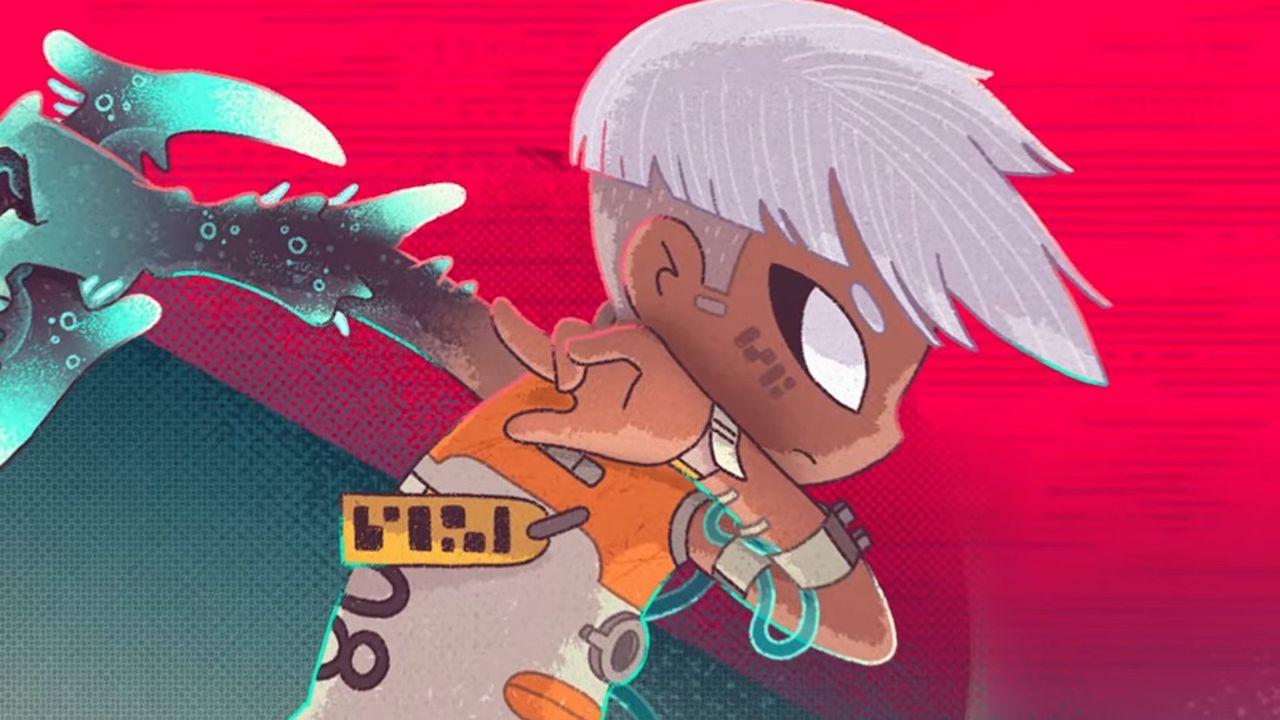
More than 25 independent game developers told GamesRadar+ they largely avoid generative AI despite claims that it could help small studios work faster and more cheaply. They argue that creative work and problem-solving are central to making games, and fear that AI-generated material would weaken originality, artistic intent and players’ trust; the debate matters because the technology is increasingly promoted as a way to cut development costs.
Developers also cited potential copyright and environmental concerns, the risk of market saturation with low-quality games, and the loss of junior roles that teach essential skills. A minority saw limited uses in prototyping, code learning or debugging, but generally opposed using AI for game assets, writing or live-generated content; several studios now explicitly stress that their games are made by people.
In short
- Indie developers prioritise human creativity over AI-driven efficiency.
- Concerns include jobs, legal risk and lower-quality games.
- Limited coding support is more acceptable than generated game content.
Steelman: both sides, in good faith
The strongest fair case each way — we don't pick a winner.
The case for
Generative AI can democratise game development by making sophisticated tools accessible to small studios with limited budgets and staff. Rather than replacing human creativity, it can automate routine tasks—asset generation, code scaffolding, prototyping—allowing developers to focus on the artistic decisions that define their game's vision. For cash-strapped indie teams, this efficiency gain is meaningful and could be the difference between shipping a game and abandonment.
The case against
Game development is fundamentally a creative endeavour where originality, artistic intent and the developer's personal vision are essential to the player experience. Relying on generative AI risks creating derivative, homogenised games that lack the distinctive character that makes indie titles compelling, whilst raising serious questions about copyright integrity and environmental impact. The loss of entry-level roles damages the pipeline of skilled developers, and flooding the market with low-quality AI-assisted games undermines player trust in the indie sector generally.
Explained simply
Generative artificial intelligence is technology that can automatically produce images, text, code and other content based on written instructions. Technology companies and some in the gaming industry have promoted it as a way for small game studios to reduce development costs and speed up production, since creating games typically requires teams of specialists in art, writing and programming.
Independent game studios, or "indie" developers, are small companies that make games without backing from major publishers. Most operate with tight budgets and small workforces, making the promise of cost-saving technology particularly attractive to them. The indie sector matters because these studios often drive innovation and take creative risks that larger companies are unwilling to attempt.
This question is important because generative AI is increasingly being promoted as a solution to cost and time pressures in game development. How the industry adopts or rejects these tools could reshape game production and affect matters like copyright protection, the training of junior staff, and the overall quality and diversity of games being released.