World news and discussion on TalkFuse.
ISIS poised to exploit historic US Iraq exit, terror group ‘actively waiting in the gaps,’ expert warns
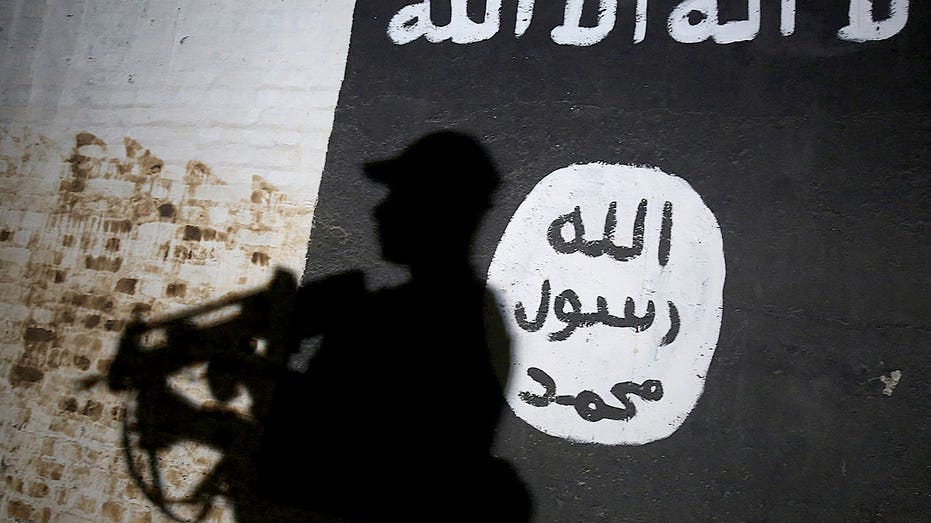
A counterterrorism expert has warned that ISIS is quietly regrouping in Iraq ahead of the complete withdrawal of US forces, due by 30 September, raising fears the group could exploit the resulting security vacuum. Dr Omar Mohammed, a researcher with George Washington University, said the group is "waiting actively in the gaps" as it historically has done, and cautioned that Iraq could be entering its most dangerous period since ISIS captured Mosul in 2014.
The warning comes as President Donald Trump has confirmed US troops will fully leave Iraq by the end of September, closing a 23-year military presence in the country. The withdrawal coincides with efforts by Baghdad to curb the influence of Iran-backed militias, a combination that experts fear could create openings for ISIS to rebuild its capabilities and re-establish a foothold in areas it previously controlled.
In short
- Expert warns ISIS is rebuilding as US quits Iraq
- US troops fully withdrawing from Iraq by 30 September
- Ends a 23-year American military presence there
Steelman: both sides, in good faith
The strongest fair case each way — we don't pick a winner.
The case for
Proponents of the withdrawal maintain that America's 23-year occupation of Iraq must eventually end to respect Iraqi sovereignty and allow the nation to assume full responsibility for its own security. They argue that indefinite military presence is neither sustainable nor conducive to genuine Iraqi self-governance, and that resources devoted to Iraq should be redirected to pressing domestic priorities. Complete withdrawal represents a necessary acknowledgement that military occupation cannot be a permanent solution to political instability.
The case against
Security analysts counter that the withdrawal creates material risk at a critical moment, with ISIS remaining operationally active whilst Iraq simultaneously manages reduction of Iranian militia influence, potentially creating a security vacuum. They distinguish between withdrawal in principle and the timing and pace of withdrawal, arguing the transition should align with actual Iraqi security capacity rather than arbitrary political deadlines. Their concern is specifically that complete US departure coinciding with internal Iraqi political tensions could recreate conditions that allowed ISIS territorial gains in 2014.
Explained simply
ISIS is a militant group that seized control of large areas of Iraq in 2014, including the city of Mosul. Though the group has been substantially weakened by a military campaign involving US-led forces and Iraqi troops over the past decade, it has not been completely eliminated and remains active in parts of the country.
The United States has maintained a military presence in Iraq for 23 years, with troops helping to train and support Iraqi forces in their fight against ISIS. The planned full withdrawal of all US forces by the end of September will mark the end of this long involvement, leaving Iraq responsible for its own security.
Security experts worry that ISIS could use this transition period to rebuild its capabilities and reclaim territory. This concern is heightened by Iraq's simultaneous efforts to reduce the influence of Iran-backed militias, which creates instability that the group could potentially exploit. The combination of these factors has prompted warnings that Iraq could face its most dangerous security period since ISIS first took control of Mosul over a decade ago.