Culture news and discussion on TalkFuse.
Netflix’s Best 2-Part Fantasy Adaptation Got Even Better When It Diverted From the Book
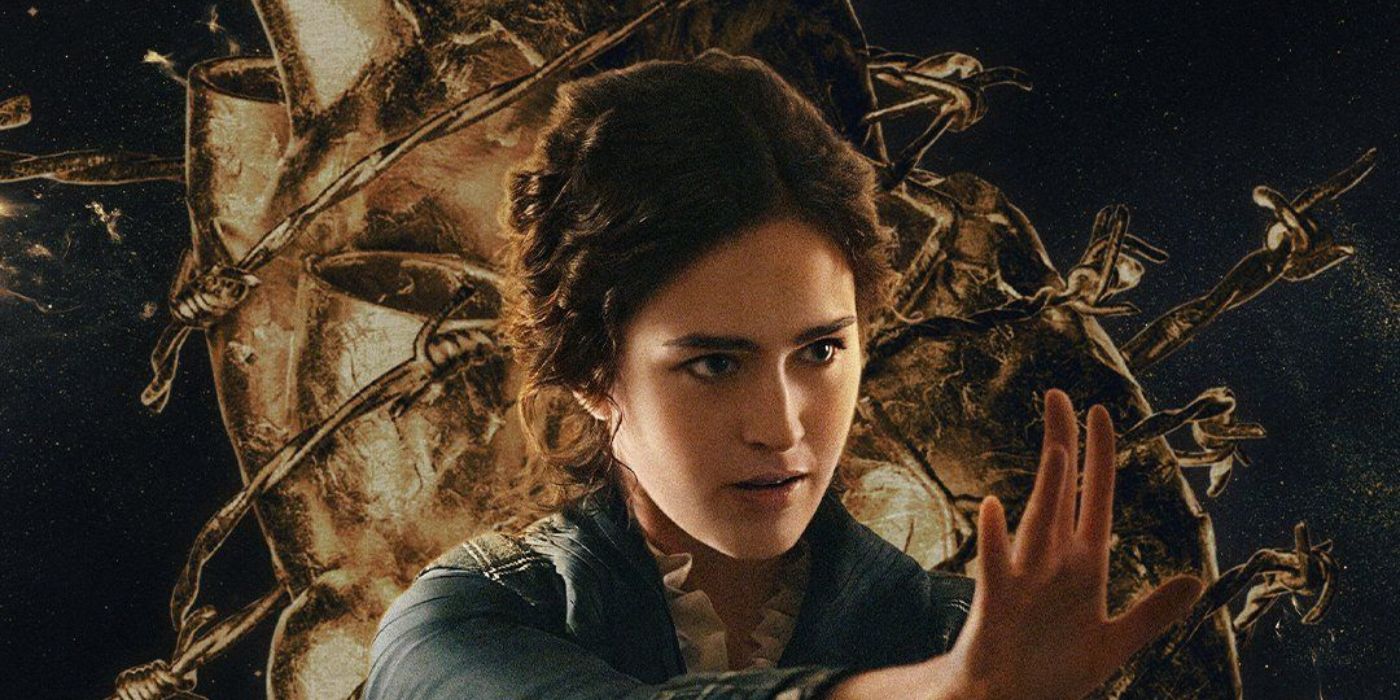
Netflix's fantasy series Shadow and Bone stands out among book-to-screen adaptations for successfully weaving in characters from a spin-off series well before they appear in the original novels, according to a feature by Collider. The show combines Leigh Bardugo's Shadow and Bone trilogy with her Six of Crows spin-off, introducing the "Crows" characters far earlier than in the books and expanding the cast by six additional leads, a change that could easily have backfired with devoted fans but is widely regarded as a creative success.
In the books, the Crows—based in the port city of Ketterdam—don't appear until after the main trilogy's war has ended, so the Netflix adaptation invented new storylines to bring them in sooner. In Season 1, Kaz, Inej and Jesper are given a heist-style mission to kidnap protagonist Alina, while Nina and Matthias meet through a separate romance plot; by Season 2, the two groups' stories converge as the Crows help Alina search for a mythical blade and join her fight against the Darkling. The changes allow the series to showcase the scale of Bardugo's fantasy world and turn the Crows into a highlight of the show, even though it never adapts their strongest storyline from the original books.
In short
- Netflix's Shadow and Bone blends two Leigh Bardugo book series into one show
- The "Crows" characters appear far earlier than in the original novels
- The change expands the story's scope and becomes a fan-favourite element
Steelman: both sides, in good faith
The strongest fair case each way — we don't pick a winner.
The case for
The adaptation's primary obligation is to create compelling television rather than transcribe source material. By introducing the Crows early, the show expanded the scope of Bardugo's fantasy world visually and allowed six additional characters to become highlights of the series—an outcome that deliberate deviations from the books made possible. Creative professionals should have the freedom to restructure narratives when doing so demonstrably improves the viewing experience and honours the spirit of the original work, even if it alters its form.
The case against
Book adaptations succeed because audiences have invested in the published works and choose to engage with screen versions partly from loyalty to the source material. The books' sequence represents the author's deliberate artistic choice about how to reveal her world; whilst some adaptation changes are necessitated by format differences, wholesale narrative restructuring treats source material as a rough draft rather than a finished work deserving respect. Devoted fans have legitimate expectations about seeing their beloved storylines adapted as intended.
Explained simply
Shadow and Bone is a Netflix fantasy series adapted from books by Leigh Bardugo. The show draws from two separate book series: the Shadow and Bone trilogy, which follows a young woman named Alina caught up in a war, and the Six of Crows spin-off, featuring a different cast of characters based in the port city of Ketterdam.
In the original books, the Six of Crows characters do not appear until after the Shadow and Bone trilogy's war has ended. The Netflix adaptation chose to introduce these characters much earlier, creating new storylines to weave them into the main narrative—for instance, giving them a heist mission connected to the protagonist Alina.
This departure from the source material illustrates a key decision for book-to-screen adaptations: whether to follow the books closely or reshape them for dramatic effect. In this case, the change is widely regarded as having worked well, giving the Six of Crows characters a larger role in the story than they have in the published novels.
Art Business Culture Entertainment Markets TV