‘Everyone’s afraid to die’: Struggle to recruit soldiers in Ukraine turns violent
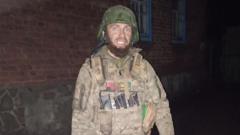
Ukraine is facing a growing crisis in military recruitment, with violent clashes breaking out between draft officers and men resisting conscription as the war with Russia enters its fifth year. Veteran soldier Vasyl Krupych, who survived brutal fighting in Donbas, was later beaten with a crowbar while serving with a recruitment patrol, an incident reflecting a wider breakdown in trust around mobilisation efforts. Ukraine's military ombudswoman describes such attacks as now "regular" and a "major problem", underlining how war-weariness and fear of the front line are fuelling resistance to being drafted.
Police have recorded more than 600 assaults on recruitment officers, with several recruiters stabbed in April, one fatally, and around 200 protesters clashing with officers and overturning a car in Lviv this month. President Volodymyr Zelensky condemned the violence, though his decision to sack Defence Minister Mykhailo Fedorov is likely to delay efforts to fix the conscription system. Officials and analysts also point to aggressive tactics by recruiters themselves, including so-called "busification", in which men are seized from the streets and bundled onto buses; Ukraine's Human Rights Commissioner logged over 6,000 complaints of abuse or unlawful detention last year, double the previous year's total.
- Violent clashes are escalating between Ukrainian draft officers and civilians
- Over 600 assaults on recruiters recorded; some stabbed, one fatally
- "Busification" and abuse complaints highlight aggressive, contested mobilisation tactics
Both sides, in good faith
The strongest fair case each way — we don't pick a winner.
The case for
Advocates of firm, even assertive, mobilisation enforcement argue that Ukraine's survival as a state depends on maintaining troop numbers, and that a war of national defence cannot be sustained on volunteers alone once early enthusiasm fades. They contend that recruitment officers are performing a legally mandated, essential duty, that draft evasion is unfair to those already serving and dying, and that firmness—including robust enforcement measures—reflects a hard but necessary recognition that collective survival sometimes requires compelling individual sacrifice.
The case against
Critics sympathetic to those resisting or attacking recruiters argue that the fear and desperation driving such violence reflect a legitimate human instinct for self-preservation and a reasonable loss of trust in how mobilisation is being carried out, particularly where it is seen as arbitrary, poorly targeted, or enforced by intimidation rather than transparent, equitable process. They emphasise that individuals should not be treated merely as instruments of state policy, that concerns about corruption or unfairness in who gets called up deserve to be heard rather than dismissed, and that a state's moral authority to conscript depends on the fairness and humanity with which it does so.