Entertainment news and discussion on TalkFuse.
10 Forgotten ’90s Sitcoms That Have Aged Like Milk
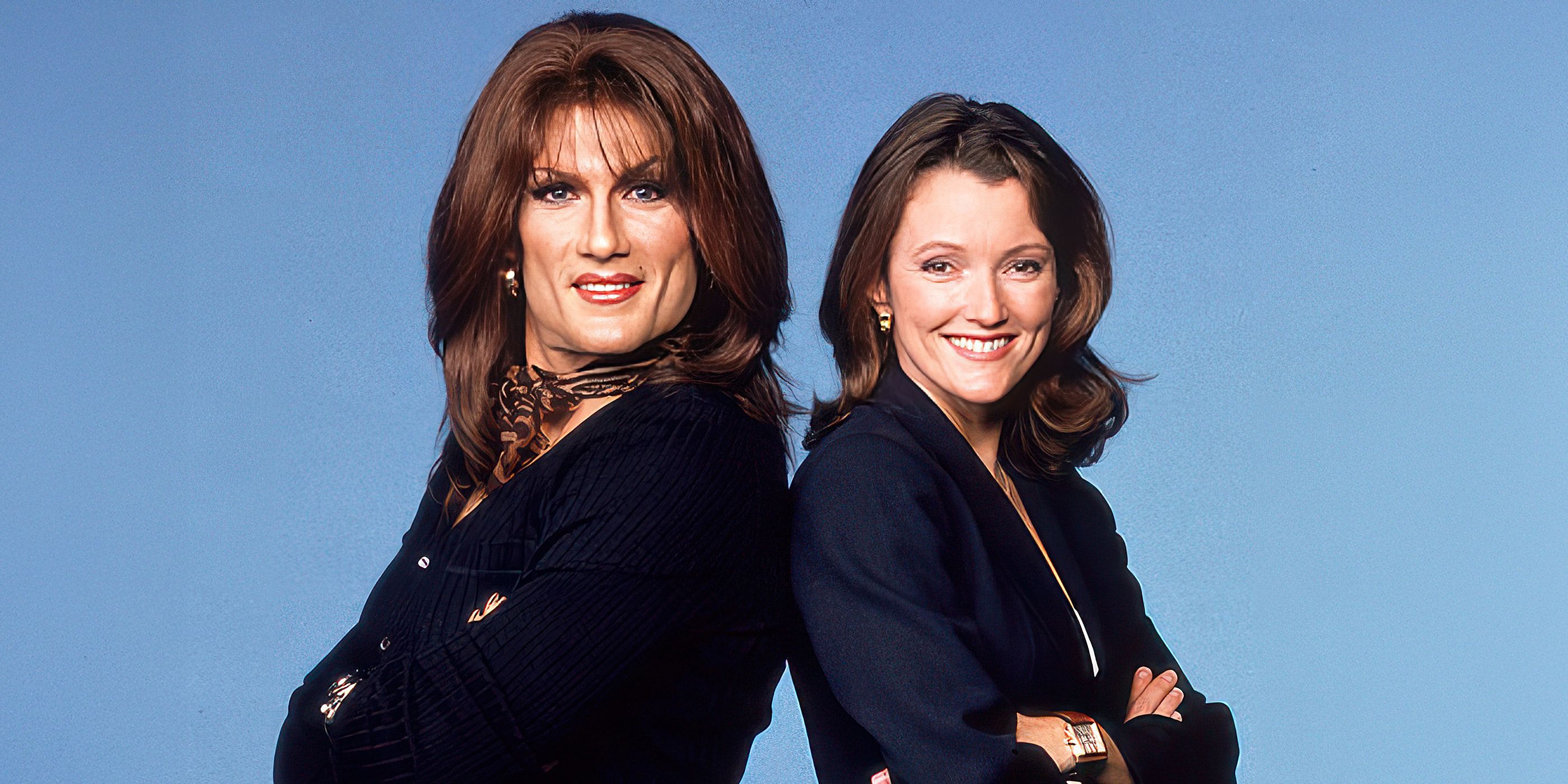
The 1990s marked a golden age for sitcoms, producing enduring classics like Friends and Seinfeld alongside underrated gems that deserved greater recognition. However, not all shows from this era have stood the test of time, and many have faded into obscurity precisely because their quality never warranted lasting attention in the first place.
The article examines sitcoms that aged poorly due to reliance on offensive humour and antiquated social attitudes, particularly highlighting Ask Harriet—a show centred on a male sports writer disguising himself as a female advice columnist. These programmes failed because they lacked the charm of better-crafted comedies and instead leaned on sexist premises and insensitive portrayals that alienated viewers. Modern critical assessments, such as Ask Harriet's 0% Rotten Tomatoes score, reflect how poorly these shows hold up when viewed through contemporary standards.
In short
- The 1990s produced beloved sitcoms like Friends and Seinfeld, but also poorly executed shows that relied on offensive premises and cringe humour
- Ask Harriet exemplified the worst of this era, centring on a man cross-dressing for employment whilst leaning heavily on sexist and insensitive gender politics
- Shows that mishandled sensitive material without care have been rightfully forgotten, now scoring poorly on critical reviews
Steelman: both sides, in good faith
The strongest fair case each way — we don't pick a winner.
The case for
These shows were products of their era with comedic conventions and social attitudes distinct from today's, and blanket dismissal risks overlooking potential entertainment value or genuine creative skill. Many programmes that appear dated now reflected audience expectations of the 1990s, and contextual evaluation allows us to appreciate comedy's evolution without entirely discounting them based on elements that were commonplace when created.
The case against
Comedic quality is not relative to historical period—shows built around demeaning premises or offensive stereotypes reveal fundamental flaws in their construction, not merely outdated sensibilities. Superior comedies from the same period demonstrate that sharp, inventive humour could flourish without such devices, so contemporary critical assessments rightfully identify poor craftsmanship rather than impose unfair modern standards.
Explained simply
The 1990s produced some of television's most beloved and enduring sitcoms, with shows like Friends and Seinfeld becoming cultural touchstones. However, not all sitcoms from this era have maintained their popularity or reputation over the decades. Many have faded into obscurity, partly because their quality and comedic approach did not withstand the passage of time.
A number of 1990s sitcoms relied heavily on humour that now appears offensive, rooted in social attitudes that have since shifted significantly. Ask Harriet, for example, centred on the premise of a male sports writer posing as a female advice columnist, exemplifying the kind of gender-based humour that dominated some shows of the era. These programmes often featured stereotypical portrayals and insensitive jokes that alienated viewers when examined by modern standards.
The gap between how these shows were received at the time and how they are judged today reveals much about changing attitudes towards comedy. Critical reassessment through modern frameworks—such as Ask Harriet's zero per cent Rotten Tomatoes score—demonstrates how poorly comedies built on offensive premises translate to contemporary audiences. Understanding why these forgotten sitcoms failed to age well provides insight into what made other 1990s comedies genuinely durable.