World news and discussion on TalkFuse.
“We certainly weren’t strutting around like Deep Purple. My God, they had a lot of fun. We did not have fun.” How the UK college rock scene shaped the genesis of Genesis
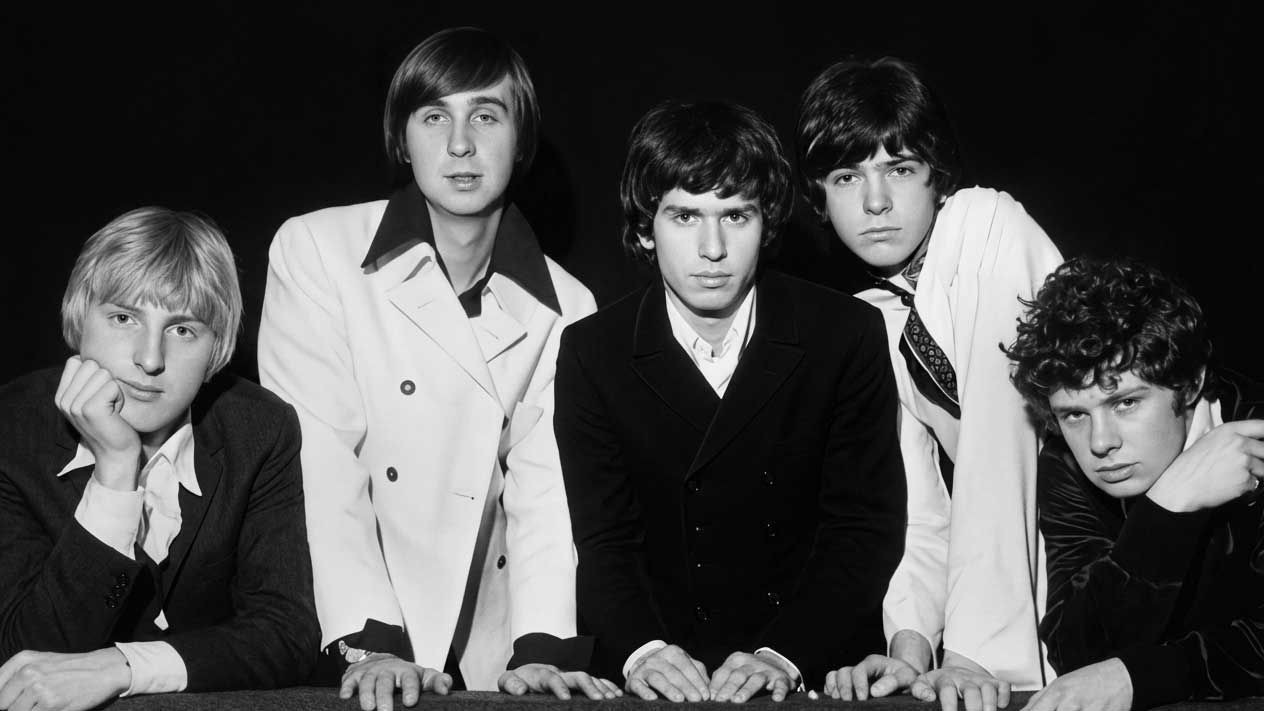
'Rock Goes to College,' a new book by music journalist Paul Sexton, documents the British university and polytechnic live music scene during the late 1960s and early 1970s, a period when higher education venues became incubators for some of the era's most influential acts. The circuit hosted landmark performances by Pink Floyd, Led Zeppelin, The Who, Fleetwood Mac, Black Sabbath, Queen, The Kinks, and Elton John, establishing the campus circuit as a vital cultural force during a transitional period in rock music.
Genesis emerged from this vibrant ecosystem, making their concert debut on 1 November 1969 at Brunel University in Uxbridge, Middlesex, as an unknown opening act. Performing alongside established acts like Caravan and the Idle Race, the band's early appearance on the campus circuit reflected how the university venue network served as a launching pad for emerging acts seeking to establish themselves within Britain's rock community.
In short
- Paul Sexton's book 'Rock Goes to College' examines the UK university rock scene of the late 1960s/early 1970s
- Genesis performed their debut show on 1 November 1969 at Brunel University as an unknown opening act within this vibrant circuit
- The campus music scene hosted major acts and served as a launching pad for emerging artists during rock music's transitional era
Steelman: both sides, in good faith
The strongest fair case each way — we don't pick a winner.
The case for
The college and university circuit provided a genuinely distinctive ecosystem where educated audiences actively sought ambitious music, and regular performance opportunities allowed emerging bands to develop without strict commercial pressures. This network functioned as a vital launching pad particularly suited to progressive and experimental rock, with Genesis's journey from obscure opening act to pioneering band exemplifying how the circuit nurtured artists who might struggle in purely commercial venues or radio-focused circuits.
The case against
Whilst the college circuit undoubtedly hosted significant acts, it was one venue network among many that contributed to rock's development. Record labels, radio airplay, music press, touring promoters, and individual band talent were equally or more important in shaping careers. Emphasising the college circuit as a crucial incubator risks creating a distorted historical narrative that assigns disproportionate credit to one institutional pathway when British rock emerged through multiple overlapping forces working in concert.
Explained simply
During the late 1960s and early 1970s, universities and polytechnics across Britain became unlikely yet vital venues for rock music. These campus concert halls hosted performances by some of the era's biggest names, from Pink Floyd and Led Zeppelin to Queen and Elton John, establishing the circuit as a crucial part of the rock landscape during a transformative period for the industry.
The college circuit served as both a proving ground for established acts and a launching pad for emerging bands trying to break through. Venues on university campuses offered opportunities for young musicians to perform in front of engaged audiences, build a following, and establish themselves within Britain's rock community before progressing to larger stages.
Genesis made their concert debut on this circuit on 1 November 1969 at Brunel University in Uxbridge as an unknown opening act. The appearance of such emerging acts alongside established performers demonstrated how the university circuit functioned as an essential entry point for new bands seeking a foothold in Britain's rock scene.
Americas Entertainment Music UK World