Culture news and discussion on TalkFuse.
5 criminally underappreciated Final Fantasy games that are worth playing before FF7 Revelation
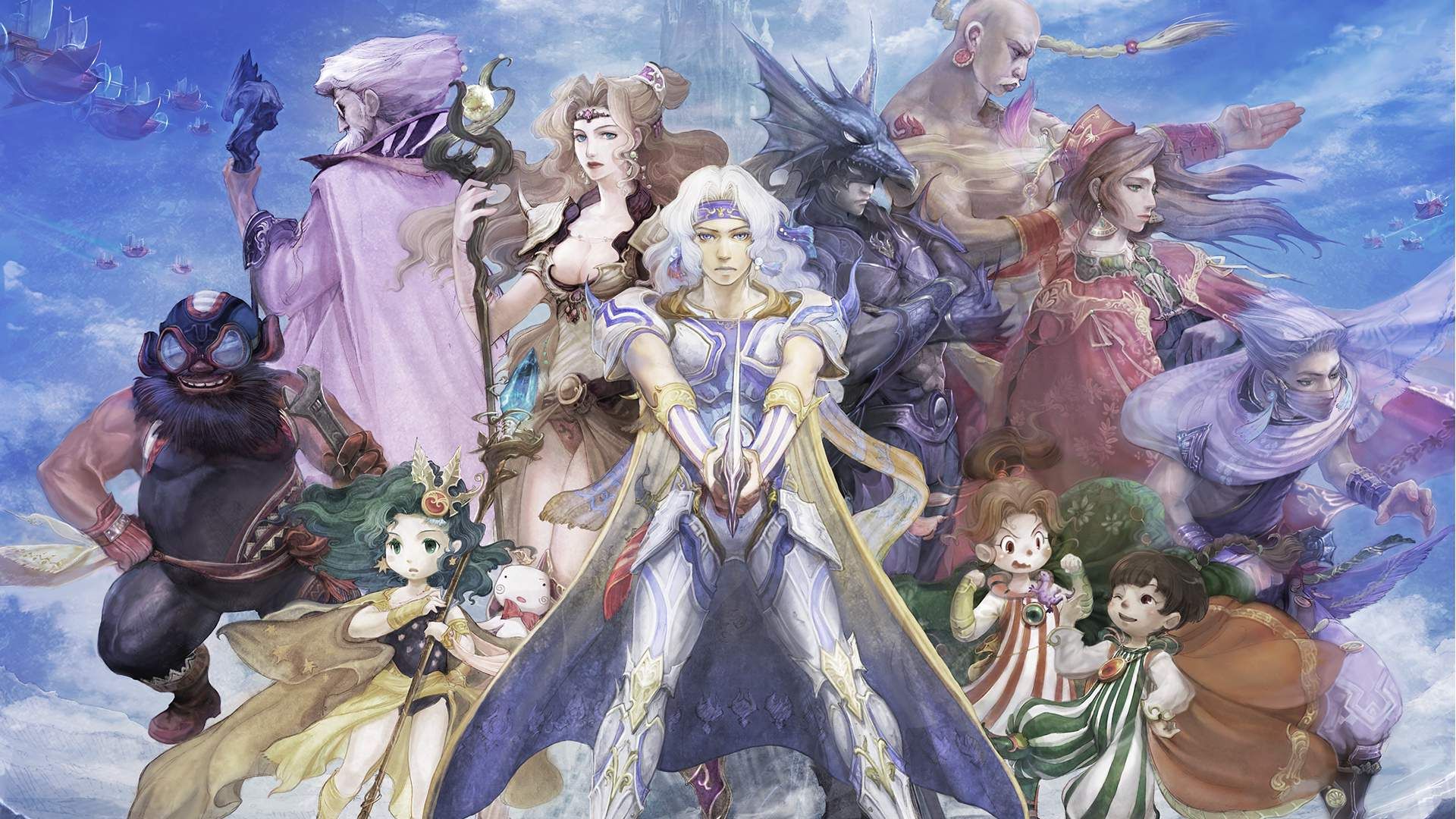
The article showcases two Final Fantasy titles dismissed by critics that Square Enix argues merit reconsideration. Final Fantasy Type-0, released on PSP in 2011, combined real-time combat mechanics with social simulation systems set in a military academy, blending influences from Crisis Core and Persona games. Western critics at the time were unreceptive to its high school drama elements, yet the author contends the game was an experimental precursor to the action-heavy direction later adopted by FF15 and FF16.
Monster of the Deep was a 2017 PlayStation VR exclusive that critics largely panned for its tedious fishing mechanics and gratuitous character cameos. Rather than defend it as a game, the author reframes it as a virtual tourism experience within the visually distinctive but criticised world of Eos from Final Fantasy 15, arguing its passive exploration value has aged better than its gameplay systems.
In short
- Final Fantasy Type-0 blended action combat with social simulation mechanics ahead of its time, combining Crisis Core gameplay with Persona-like school drama set during wartime
- Monster of the Deep was a poorly-received VR fishing game that the author argues deserves appreciation as virtual exploration rather than traditional gameplay
Steelman: both sides, in good faith
The strongest fair case each way — we don't pick a winner.
The case for
Type-0 was an experimental title that innovatively blended real-time combat with social simulation—a direction that proved influential on modern Final Fantasy design—yet critics dismissed it for narrative tone choices rather than evaluating its mechanical contributions. Monster of the Deep's value as an immersive world-exploration experience represents a valid artistic approach often overlooked by conventional gameplay-focused criticism. These games merit reconsideration because their worth extends beyond the specific elements critics emphasised, offering genuine value obscured by initial consensus.
The case against
Type-0's jarring narrative blend of military academy drama and high school social mechanics created genuine pacing and tonal problems that persist regardless of mechanical experimentation, and critics were right to identify these issues. Monster of the Deep's tedious core gameplay mechanics represent real design failures; retrospective reframing as 'tourism' doesn't resolve that players endure monotonous systems. Claiming these games are 'underappreciated' often amounts to defending games with significant flaws by selectively emphasising isolated strengths over substantive design issues.
Explained simply
Final Fantasy is a long-running video game series that has produced dozens of instalments across different platforms since the 1980s. Not every game has been critically acclaimed, and some entries have become overlooked or forgotten despite investment from Square Enix, the studio behind the series. With new releases being announced, some fans and commentators are arguing that these dismissed games deserve reconsideration.
Final Fantasy Type-0 was released on a handheld gaming device in 2011 and combined action-based combat with a story set at a military academy. Western critics at the time dismissed its high school drama elements, but the argument here is that it pioneered gameplay ideas later refined in more celebrated Final Fantasy titles. Monster of the Deep, a 2017 virtual reality title tied to Final Fantasy 15, was poorly received by critics, but some argue it offers value as an exploration experience within that game's world.
The broader question is whether critical reception at a game's launch truly reflects its lasting merit or cultural significance. As major new Final Fantasy releases approach, players are examining the full history of the series and reconsidering whether some dismissed entries might be worth revisiting.
Art Celebrity Culture Entertainment Gaming TV