Entertainment news and discussion on TalkFuse.
The Steam Machine isn’t doing exclusives because Valve thinks “restricting where people can play” doesn’t work
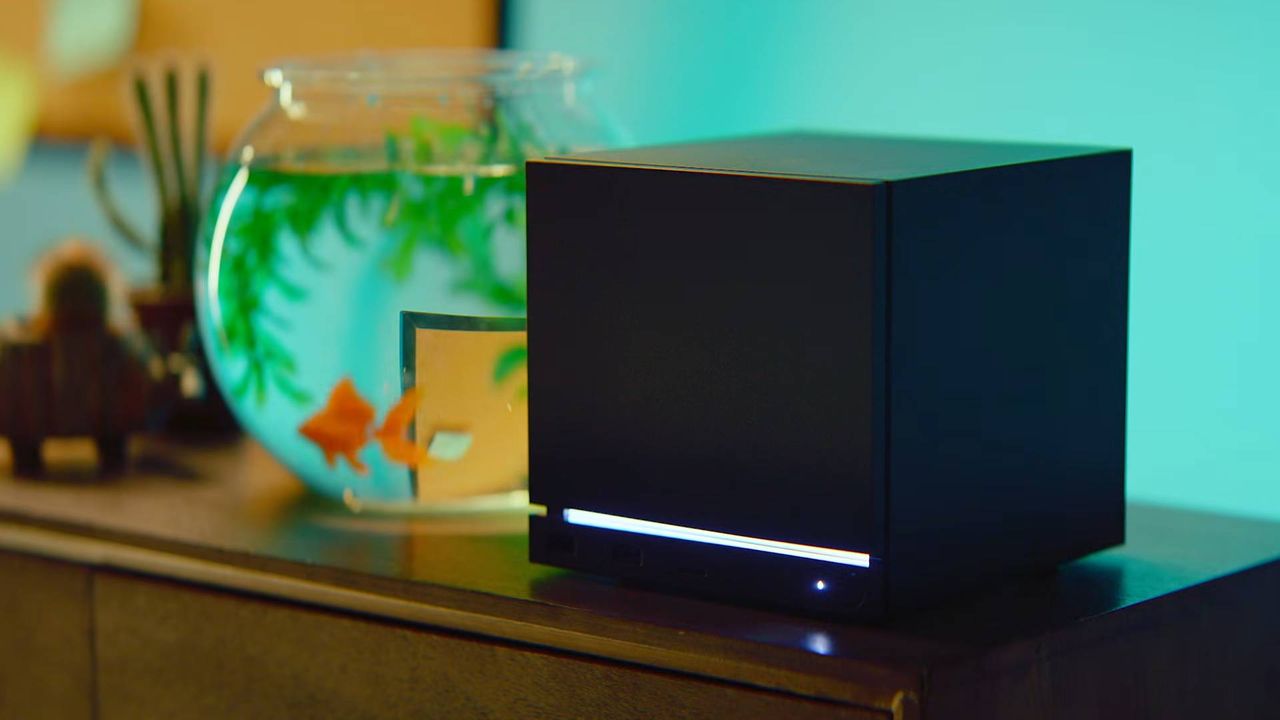
Valve has confirmed that its upcoming Steam Machine console will not carry exclusive games, with the company explaining that it does not believe in "restricting where people can play." This marks a deliberate contrast with rivals such as Sony and Microsoft, who have long used exclusive titles to encourage players to buy into a specific hardware ecosystem, and reflects Valve's broader philosophy of keeping Steam and its games as open and accessible as possible across devices.
The stance ties into Valve's approach with the Steam Deck and the wider Steam platform, where the same game library is intended to work across PC, handheld and now the Steam Machine, rather than being locked to one device. By avoiding exclusives, Valve is betting that convenience and cross-platform compatibility will be a stronger selling point for the new console than platform-locked content.
In short
- Valve confirms the Steam Machine will have no exclusive games.
- Valve says restricting where people play games doesn't work.
- Approach favours cross-platform access over console-exclusive content.
Steelman: both sides, in good faith
The strongest fair case each way — we don't pick a winner.
The case for
Valve's refusal to use exclusives reflects a philosophy that consumer choice matters more than hardware lock-in. By offering seamless access to the same library across devices, Valve believes it can compete on convenience, service quality and ecosystem value rather than artificial restrictions. This approach trusts that users will choose their platform based on merit and experience, not because they are forced to, and aligns with broader consumer expectations for flexibility.
The case against
Exclusives have historically been essential to console profitability and justify massive investments in hardware development and exclusive game studios. Competitors like Sony and Microsoft use this model to differentiate their platforms, justify console pricing, and ensure resources flow back into gaming ecosystems. Without exclusives to anchor consumer choice, Valve risks undercutting its own ability to invest in and compete with rivals who can direct substantial resources toward platform-exclusive content.
Explained simply
Valve is a video game company best known for Steam, an online platform where players purchase and play games on their computers. Steam has become the dominant service for PC gaming, giving Valve significant influence over how games are distributed.
Game exclusives are titles that only work on a particular console or device. Companies like Sony, maker of PlayStation, and Microsoft, maker of Xbox, invest heavily in exclusive games because they encourage people to buy their specific hardware instead of a rival's system.
Valve is releasing a new gaming console called the Steam Machine. Rather than developing exclusive titles to encourage hardware sales, as rival console makers do, Valve wants the same games to work across different devices—including computers, the handheld Steam Deck, and the new console—believing this cross-platform convenience will be more appealing to players.