Culture news and discussion on TalkFuse.
How David Byrne distilled the art of new punk in a small town in West Yorkshire
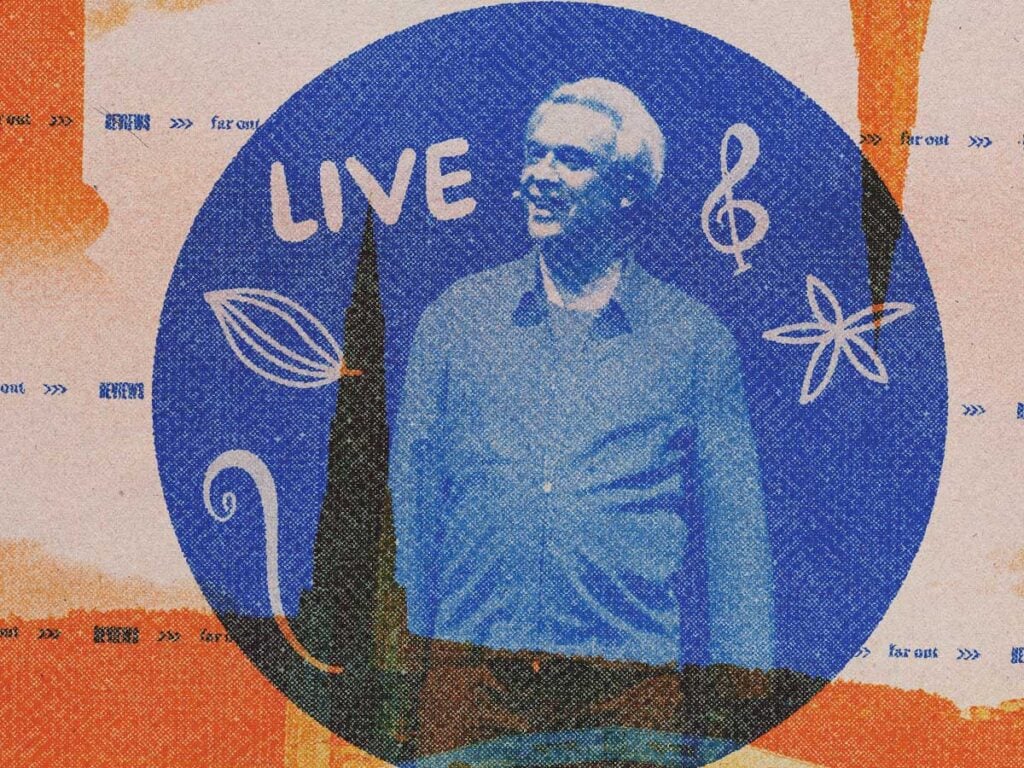
The article explores how David Byrne identified a distinctive form of contemporary punk spirit in West Yorkshire, using the region’s music scene as an example of inventive, socially observant and unconventional songwriting. It suggests that this approach matters because it shows punk’s influence continuing beyond its original era, through artists who prioritise sharp ideas and character over imitation.
The piece appears to focus on Yard Act, a Leeds band whose work combines spoken-word delivery, post-punk rhythms and wry commentary on modern British life. Byrne’s interest positions the group within a broader lineage of artists who use stripped-back, energetic music to examine everyday culture and politics.
In short
- David Byrne highlighted West Yorkshire’s inventive new-punk spirit.
- Yard Act exemplify its sharp, modern post-punk approach.
- The scene updates punk through observation and originality.
Explained simply
Punk began in the 1970s as a musical and cultural movement that prioritised raw energy, rebellion and direct social commentary over technical complexity. Though the original punk era is long past, its core ideals continue to influence contemporary musicians who use music to critique modern life.
Yard Act are a band from Leeds who embody this modern punk spirit. Their music combines sparse, punchy instrumentation with rhythmic spoken lyrics that observe everyday British life with sharp humour and social awareness. This stripped-back approach echoes punk's original rejection of unnecessary polish.
David Byrne was the founding member of Talking Heads, an influential band from the 1980s known for combining experimental music with thoughtful songwriting. His identification of Yard Act as inheritors of the punk tradition is significant because it shows that punk's core values—inventive, socially conscious music—continue to influence musicians who emerged long after the original movement.